World Gin Day
June 13, 2026

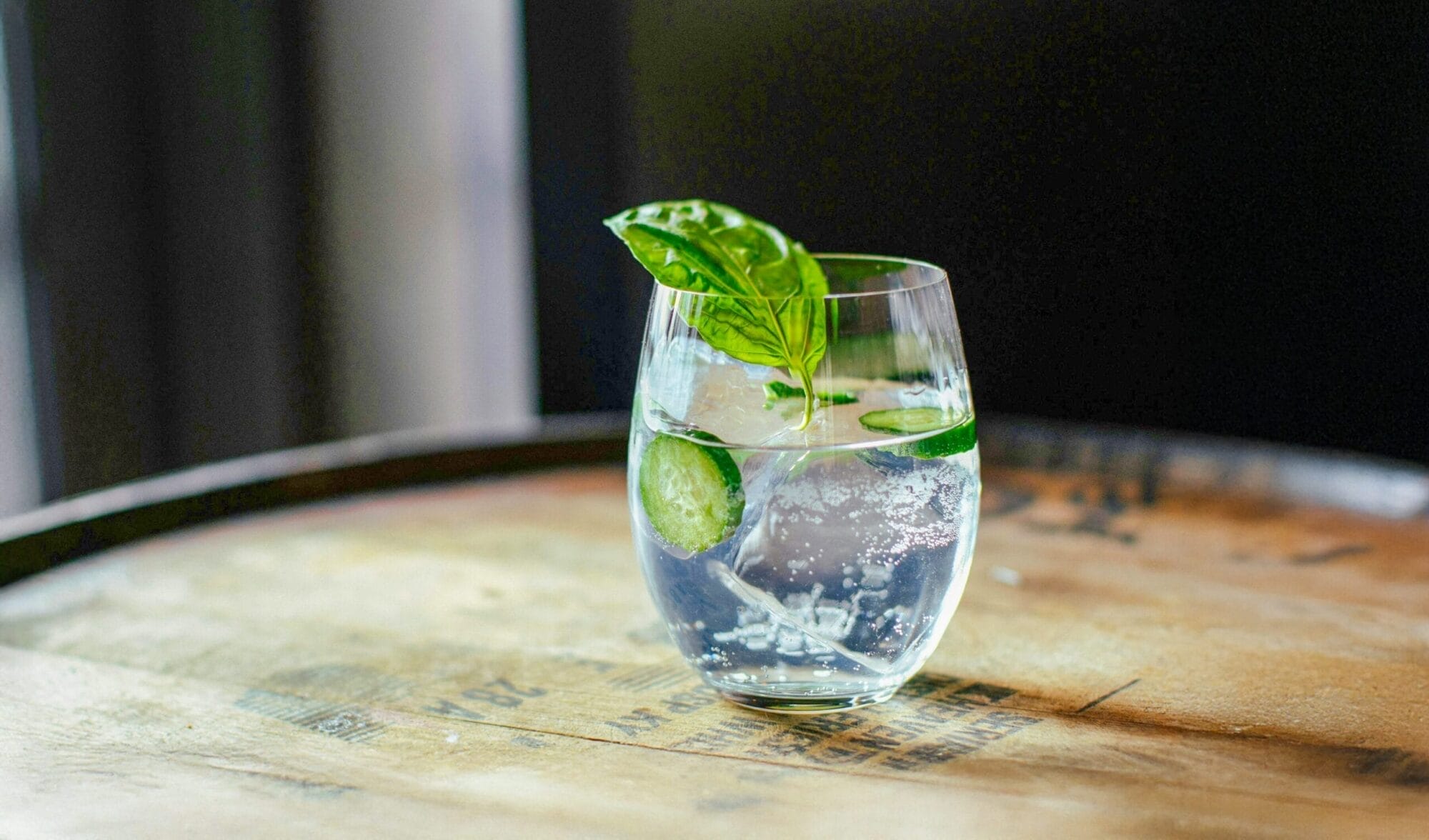
World Gin Day celebrates a spirit whose identity is rooted in both medicine and migration. Gin’s defining flavor comes from juniper berries, a botanical used for centuries in herbal remedies. Long before gin was poured into cocktail glasses, juniper was believed to aid digestion, fight illness and protect against plague. The earliest ancestor of modern gin appeared in the Middle Ages as a juniper infused spirit known as jenever, developed in the Low Countries. Dutch distillers combined malt wine with juniper and herbs, creating a drink that was medicinal in intent but pleasant enough to enjoy recreationally.
By the seventeenth century, jenever had become popular among Dutch soldiers, who drank it before battle for courage and warmth. English troops encountered the spirit while fighting alongside the Dutch and brought a taste for it back home. When William of Orange became King of England in 1689, he promoted domestic distilling and restricted imports of foreign spirits. Grain was plentiful, and distilling was loosely regulated, creating the perfect environment for gin production to explode.
Gin quickly became the drink of the masses in England, particularly in London. Cheap to make and easy to flavor, it flooded urban neighborhoods. This period, often referred to as the Gin Craze, saw widespread consumption and social consequences. Gin was blamed for poverty, crime and public disorder, immortalized in William Hogarth’s famous engravings Gin Lane and Beer Street. In response, the British government passed a series of Gin Acts throughout the eighteenth century to regulate production and sales.
Out of regulation came refinement. Distillers improved quality, reduced harshness and developed more balanced recipes. Advances in distillation technology, especially the column still, allowed for cleaner spirits that better showcased botanical flavors. Gin began its transformation from a rough intoxicant into a spirit of precision and balance.
By the nineteenth century, gin had found a new role as a companion to empire. British officers stationed in tropical colonies mixed gin with quinine rich tonic water to prevent malaria. The bitterness of tonic was softened by gin, giving rise to the gin and tonic, a drink that endures as one of the world’s most recognizable cocktails.
World Gin Day acknowledges this layered past. From herbal medicine to industrial excess to global icon, gin’s history reflects shifts in science, society and taste. Each glass carries echoes of juniper forests, colonial trade routes and centuries of experimentation.
Gin is defined by juniper, but beyond that anchor, it offers remarkable freedom. Unlike many spirits bound by strict aging rules, gin expresses itself through botanicals. These plant based ingredients shape aroma, flavor and texture, making gin one of the most diverse spirits in the world.
London Dry gin is perhaps the most widely recognized style. Despite the name, it refers to a method rather than a location. London Dry gins are distilled with all botanicals added during distillation, resulting in a crisp, juniper forward profile with citrus and spice notes. There is no added sugar, which contributes to its clean finish.
Old Tom gin represents an earlier style that sits between modern London Dry and the sweeter gins of the past. It has a subtle sweetness that rounds out the juniper and botanicals, making it ideal for classic cocktails such as the Tom Collins.
Plymouth gin is a geographically protected style that originates from the English port city of Plymouth. It is slightly earthier and softer than London Dry, with a more balanced relationship between juniper and citrus. Its smoothness made it a favorite among naval officers.
In recent decades, contemporary gin has expanded the category even further. Craft distillers around the world experiment with local botanicals such as lavender, rosemary, cucumber, seaweed, peppercorns and regional citrus. These gins may be less juniper dominant, allowing other flavors to take center stage while still qualifying as gin.
Barrel aged gin adds another layer of complexity. Rested in oak barrels, these gins pick up notes of vanilla, spice and wood, blurring the line between gin and whiskey. While controversial to purists, barrel aging showcases gin’s adaptability.
The choice of botanicals is both creative and technical. Distillers must consider how flavors interact under heat and alcohol. Some botanicals contribute aroma but little taste, while others add bitterness, sweetness or texture. Balance is critical. Too many botanicals can muddy the profile, while too few may leave it one dimensional.
World Gin Day is an invitation to explore this diversity. Tasting different styles side by side reveals how one defining ingredient can support countless expressions. Gin is less about a single recipe and more about a philosophy of flavor.
World Gin Day is best celebrated as a moment of exploration rather than excess. Gin rewards attention. Begin with a simple tasting. Pour a small measure of gin into a glass and nose it before adding anything else. Notice the juniper first, then search for secondary notes such as citrus peel, floral elements or spice.
Add a splash of water and observe how the aroma changes. Water opens up botanicals and softens alcohol, revealing layers that might otherwise remain hidden. This practice mirrors professional tasting methods and deepens appreciation.
Cocktails offer another avenue for celebration. The classic gin and tonic highlights balance and refreshment, especially when paired with a tonic that complements rather than overwhelms the spirit. Garnishes matter. A slice of citrus, a sprig of herbs or a few juniper berries can enhance aroma and reinforce the botanicals already present in the gin.
Traditional cocktails such as the Martini, Negroni and French 75 showcase gin’s versatility. Each recipe emphasizes different qualities, from crisp dryness to bitter complexity to celebratory elegance. Trying the same cocktail with different gins reveals how much the base spirit influences the final drink.
Food pairings can elevate the experience. Gin’s botanical nature makes it a natural partner for light dishes. Citrus forward gins pair well with seafood. Herbal gins complement roasted vegetables and grilled meats. Juniper heavy styles work beautifully with rich or fatty foods.
For those who do not drink alcohol, World Gin Day can still be meaningful. Non alcoholic gins now replicate botanical profiles without alcohol, allowing participation in the ritual and flavor exploration. Learning about distillation, foraging botanicals or the chemistry of flavor extraction offers insight without consumption.
Supporting local distillers is another way to honor the day. Many small producers source regional botanicals and reflect local landscapes in their recipes. Visiting a distillery or reading about their process connects the drink to real people and places.
At its heart, World Gin Day celebrates creativity grounded in tradition. Gin is both ancient and modern, structured and flexible. It teaches that balance matters, that small adjustments can transform a whole experience and that complexity often emerges from restraint.
Whether enjoyed neat, mixed or studied from afar, gin invites curiosity. World Gin Day is not just about what is in the glass, but about paying attention to how it got there and why it tastes the way it does. In that awareness, the spirit truly comes alive.