Bake a Pie in Solidarity Day
March 14, 2026

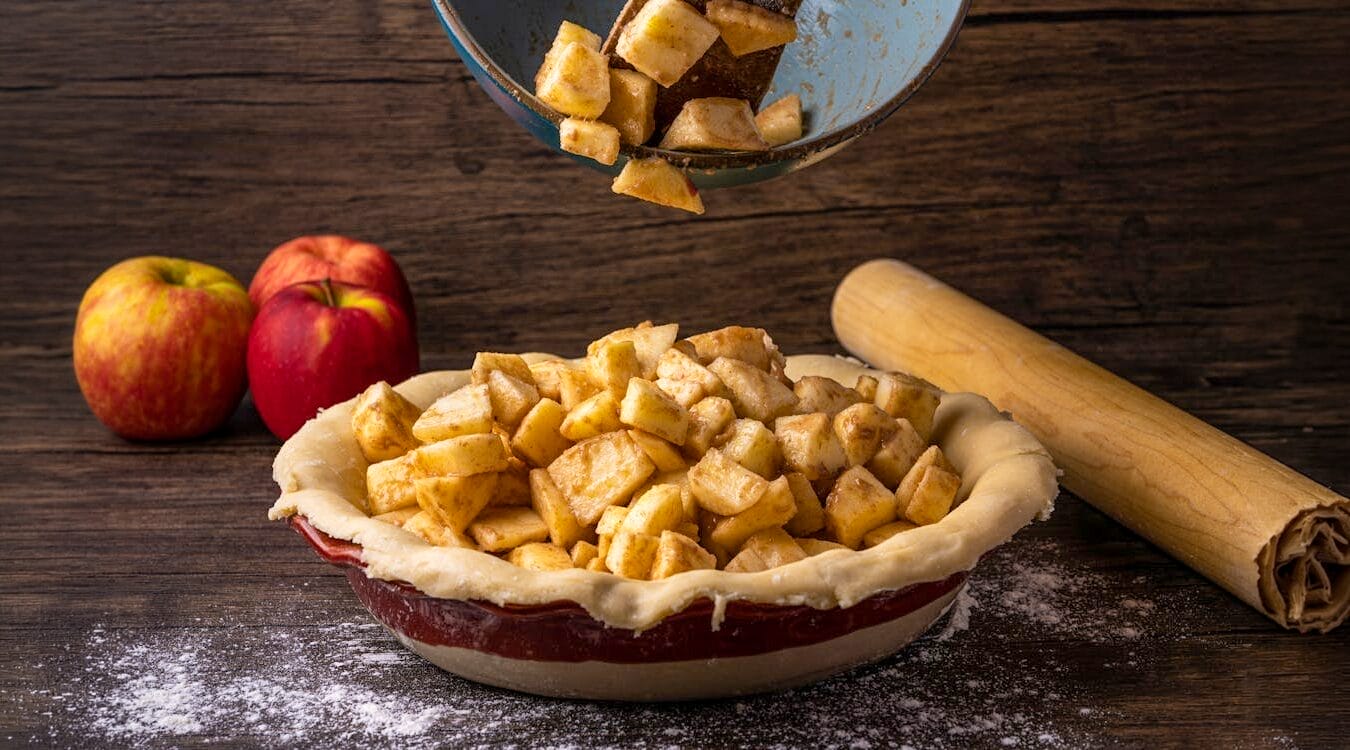
Bake a Pie in Solidarity Day is observed in March and emphasizes baking as a gesture of support, community care, and shared resilience. Bake a Pie in Solidarity Day highlights pie not only as a dessert but as a symbolic food that connects households and communities through acts of generosity and cooperation.
Pies have a long culinary history, particularly in European and North American cooking traditions. Early pies were not always sweet; many were savory dishes designed to preserve meats and vegetables within pastry crusts. Over time, sweet fruit pies became associated with home baking and communal gatherings.
The ingredient microhistory central to pie baking is wheat flour. Wheat cultivation and milling technology made pastry possible by producing fine flour capable of forming elastic dough. Butter or lard provided fat that created flakiness, while fruit fillings added sweetness and seasonal variation.
Migration and agricultural expansion shaped pie traditions in North America. Settlers adapted pie recipes to locally available fruits such as apples, berries, and peaches. These adaptations turned pies into regional specialties tied to local harvest cycles.
Technological inflection points influenced pie baking significantly. The introduction of reliable cast-iron ovens and later electric ovens allowed home bakers to produce consistent results. Refrigeration also enabled pie dough and fillings to be prepared ahead of time, simplifying the baking process.
Bake a Pie in Solidarity Day reflects the idea that baking can function as social expression. Sharing a pie communicates care, particularly during times of challenge or celebration.
Bake a Pie in Solidarity Day highlights pie baking as a cultural tradition rooted in hospitality. In many communities, bringing a pie to a gathering signifies participation and goodwill. The act of baking itself often becomes a communal activity passed through family traditions.
Agriculture underpins pie culture through fruit farming and grain production. Apples, berries, and other fruits supply fillings that change with seasonal harvests. Wheat farming supports flour production, while dairy farming provides butter used in pastry crusts.
Sensory anthropology explains why pies evoke comfort. The aroma of baked fruit and butter crust signals warmth and familiarity. The combination of crisp pastry and soft filling creates a textural contrast that reinforces satisfaction.
Regional comparisons highlight diversity in pie traditions. American pies often emphasize fruit fillings with flaky crusts, while British pies may include savory meat fillings. French pastry traditions incorporate similar structures into tarts and galettes.
A misconception worth correcting is that pie baking requires specialized equipment or advanced technique. In reality, pies historically developed as practical ways to cook ingredients using basic tools and ovens.
Economic resilience appears in pie baking through its adaptability. Bakers can adjust fillings based on available produce, making pies accessible across different economic circumstances.
Ancient period: Early pastry-enclosed dishes emerge as preservation methods for meats and vegetables.
Medieval era: European cooks develop savory pies and crust techniques using wheat flour and animal fats.
18th and 19th centuries: Fruit pies become popular in North America as settlers adapt recipes to local produce.
Late 19th century: Cast-iron ovens and improved milling technology expand home baking.
Early 20th century: Refrigeration improves dough handling and storage of fruit fillings.
Late 20th century: Community bake sales and charity events reinforce pies as symbols of generosity.
21st century: Social media and food culture revive interest in homemade pies and shared baking traditions.
Bake a Pie in Solidarity Day matters today because it highlights food as a social connector. Baking a pie requires time and attention, which can signal care for others in a tangible way.
Modern supply chains ensure year-round access to flour, butter, and fruit, though seasonal produce remains central to traditional pie flavors.
Sensory anthropology reinforces pie’s emotional resonance. The smell of baking pastry and fruit often triggers memories of family gatherings and celebrations.
Misconceptions that pie baking is outdated overlook its continued role in community events, charity drives, and holiday traditions.
Economic resilience also contributes to pie’s endurance. Many pies can be made with affordable ingredients and scaled for large gatherings.
Bake a Pie in Solidarity Day matters because it recognizes how a simple act of baking can foster connection, generosity, and shared celebration.
