National Pack Your Lunch Day
March 10, 2026

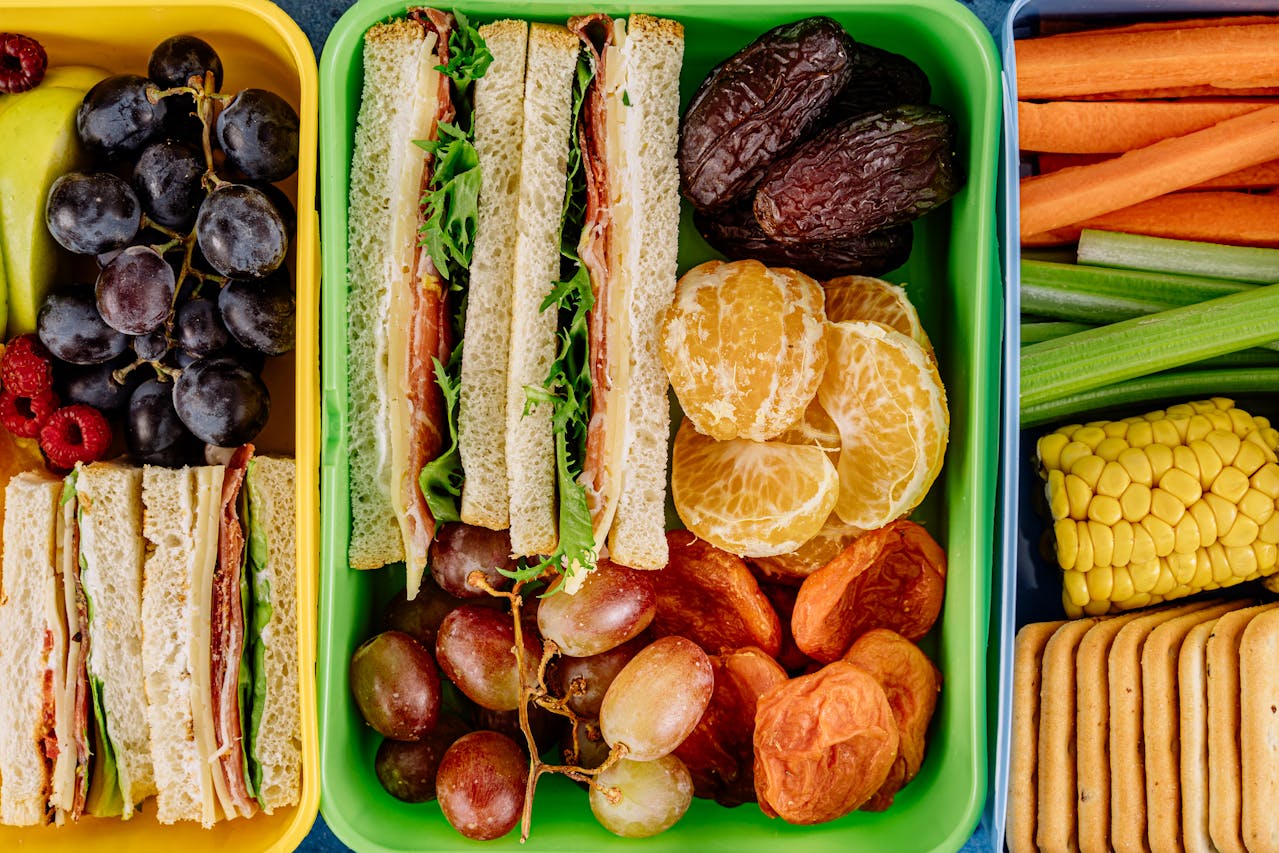
National Pack Your Lunch Day is observed each year in March and celebrates the everyday practice of preparing and carrying a homemade meal to work, school, or travel. National Pack Your Lunch Day highlights a habit shaped by economic practicality, food safety technology, and changing workplace routines. While the act of bringing food from home may seem ordinary, it reflects a long history of portable meals that evolved alongside industrial labor patterns and modern commuting.
Portable meals existed long before the modern lunchbox. Agricultural workers, travelers, and laborers historically carried simple foods that could survive several hours without spoilage. Bread, cheese, cured meats, and dried fruits were common because they required no heating and remained stable during transport. These foods represented a balance of calories, shelf stability, and convenience.
The ingredient microhistory most closely tied to packed lunches is bread. Grain agriculture allowed bread to become one of the most portable and durable foods available. Milling improvements produced consistent flour, while baking techniques allowed loaves that could hold fillings without falling apart. Bread’s structural role made it the foundation of sandwiches, which later became the centerpiece of packed lunches.
Migration and urbanization reshaped lunch habits dramatically during the nineteenth and early twentieth centuries. As industrial jobs replaced farm labor, workers spent long hours away from home. Bringing food from home became a cost-effective alternative to purchasing meals from vendors or restaurants. The lunch pail and later the lunchbox emerged as practical tools for transporting meals safely.
Technological inflection points changed what could be packed. Insulated containers, thermoses, and refrigeration expanded the range of foods that could be safely carried. Plastic food storage containers and reusable bags later improved convenience and reduced leakage, making packed lunches more flexible.
National Pack Your Lunch Day reflects this evolution from simple bread-and-cheese bundles to diverse homemade meals carried in modern containers. It celebrates a habit shaped by both tradition and technological adaptation.
National Pack Your Lunch Day highlights how homemade meals intersect with household economics. Preparing lunch at home typically costs less than purchasing prepared meals. This financial efficiency explains why packed lunches remain common among families, students, and workers seeking to control food budgets.
Agriculture underlies packed lunch ingredients in obvious ways. Sandwich fillings rely on livestock products such as cheese or cured meats. Fruits and vegetables provide freshness and nutritional balance. Grain products like bread, wraps, and crackers supply carbohydrates that sustain energy throughout the day.
Sensory anthropology helps explain why packed lunches often emphasize familiarity. People tend to choose foods that travel well and maintain appealing textures after several hours. Crisp fruits, firm sandwiches, and stable snacks maintain sensory quality better than dishes requiring reheating.
Regional comparisons reveal differences in lunch culture. In Japan, bento boxes emphasize balanced portions arranged carefully in compartmentalized containers. In parts of Europe, packed lunches may center on bread, cheese, and fruit. In the United States, sandwiches, chips, and packaged snacks are common. These variations reflect cultural expectations about convenience and nutrition.
A misconception worth correcting is that packed lunches are always healthier than purchased meals. Nutritional quality depends on ingredient choice and portion balance. A thoughtfully packed lunch can provide balanced nutrition, but convenience foods can also appear in homemade lunches.
Economic resilience appears in the adaptability of packed lunches. When grocery prices fluctuate, households adjust ingredients while maintaining the overall structure of a portable meal. National Pack Your Lunch Day recognizes this flexibility as part of everyday food planning.
Pre-industrial era: Workers and travelers carry simple foods such as bread, cheese, and dried meat for midday meals.
19th century: Industrial labor increases demand for portable lunches carried in pails or cloth bundles.
Early 20th century: Metal lunchboxes and thermoses become common among workers and schoolchildren.
Mid 20th century: Mass-produced lunchboxes featuring popular media characters enter consumer markets.
Late 20th century: Plastic containers and insulated bags improve food storage and transport.
Early 21st century: Bento-style containers and meal-prep culture expand interest in organized packed lunches.
Present day: Sustainability trends encourage reusable containers and waste reduction in lunch packing.
National Pack Your Lunch Day matters today because it reflects how everyday habits connect to larger economic and environmental systems. Preparing food at home reduces reliance on single-use packaging and restaurant supply chains, contributing to waste reduction and cost savings.
Modern supply chains make diverse ingredients available for packed lunches year-round, yet these ingredients depend on global agriculture and transport networks. Weather events, fuel costs, and labor shortages can influence grocery prices and availability.
Sensory anthropology also plays a role in lunch planning. Meals that retain flavor and texture over time encourage consistent packing habits. The balance between freshness, portability, and convenience shapes what foods become lunch staples.
Misconceptions about packed lunches being outdated are challenged by contemporary meal-prep movements. Many households now plan lunches intentionally as part of weekly food organization strategies.
Economic resilience continues to drive the practice. Packed lunches allow individuals and families to adapt to changing budgets without sacrificing access to nourishing meals.
National Pack Your Lunch Day matters because it honors a simple but enduring habit that connects personal routine, agricultural supply chains, and modern food planning.
