National Split Pea Soup Week
November 10, 2025

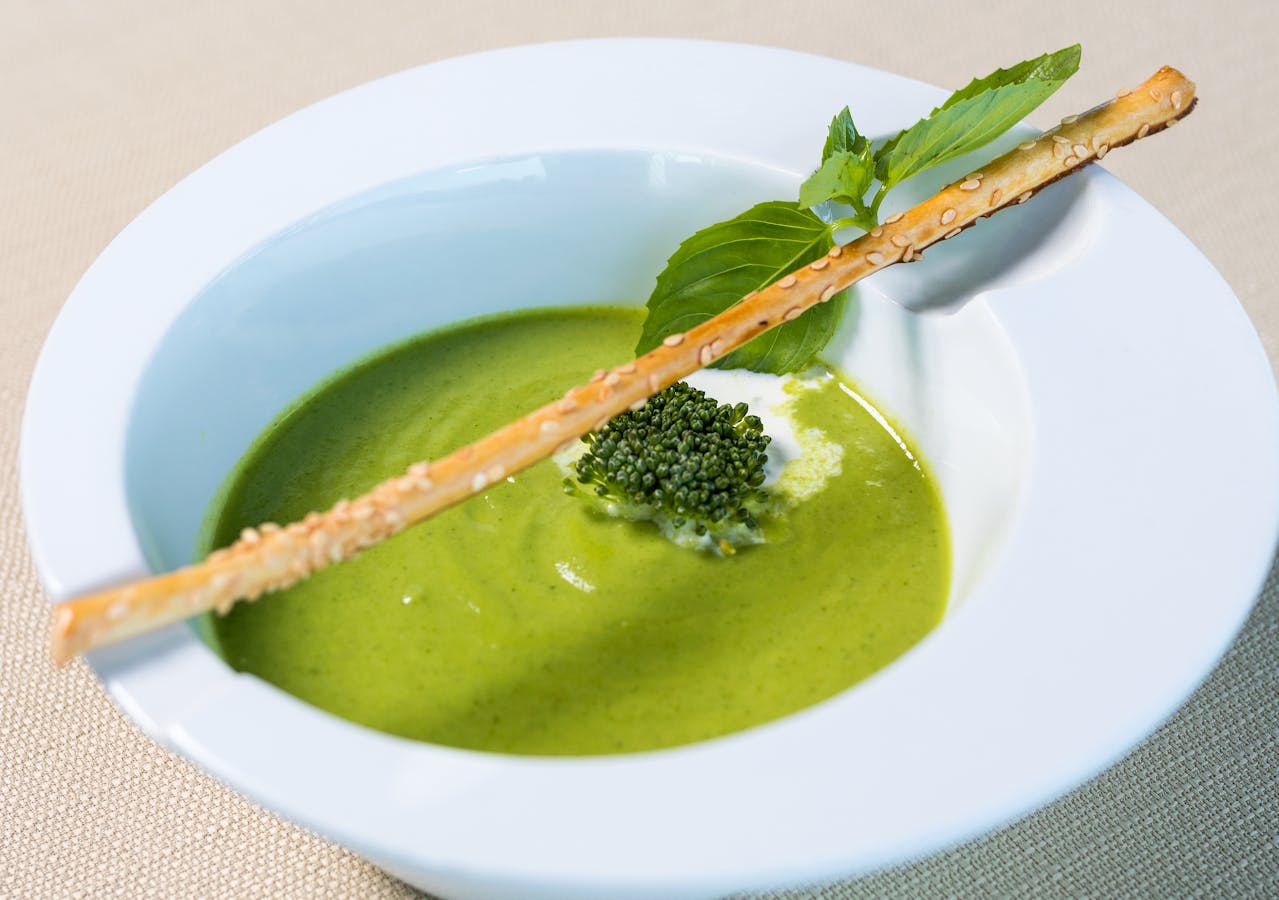
National Split Pea Soup Week celebrates a humble, hearty dish that has warmed hands and hearts through countless winters. Observed in early November, the week honors a recipe that unites thrift, nutrition, and deep cultural roots. Few foods better capture the idea of simple comfort: a bubbling pot on the stove, the scent of smoked ham and vegetables in the air, and the promise of something filling and familiar at the end of a long day.
Split peas are field peas that have been dried, peeled, and split in half—a process that shortens cooking time and yields a naturally creamy texture. Peas have nourished humanity for thousands of years. Archaeological evidence shows their cultivation in the Middle East as far back as 7000 BCE, and they were staples of ancient Greek and Roman diets. In medieval Europe, dried peas were boiled into hearty pottages and stews that sustained entire villages through harsh winters. With each generation, cooks found new ways to transform this inexpensive legume into comfort food.
The idea of simmering split peas with aromatics and meat to create a thick, satisfying soup spans continents. In the Netherlands, snert or erwtensoep features green peas, leeks, and smoky sausage and is so dense it can stand a spoon upright. Sweden’s yellow-pea ärtsoppa, often paired with pancakes, is traditionally served on Thursdays and dates back to the Middle Ages. In India, dal uses split pulses—lentils or peas—infused with turmeric, cumin, and other spices for warmth and depth. Each culture has adapted the same principle: slow cooking turns dried legumes into sustenance rich with flavor and tradition.
In North America, split pea soup became a staple in the colder months, particularly after holidays when leftover ham bones or hocks were plentiful. American versions typically combine green split peas with carrots, onions, celery, and smoky meat for a flavor that is equal parts savory and sweet. It’s an economical recipe that transforms scraps into sustenance, a hallmark of home cooking passed down through generations. Over time, vegetarian versions have emerged too, often enhanced with fresh herbs, curry spices, or a splash of lemon for brightness.
Beyond taste, split pea soup embodies sustainability. Peas are part of the pulse family—nitrogen-fixing crops that enrich soil and require minimal water compared to animal proteins. They’re an excellent source of plant-based protein, fiber, and essential nutrients, making them a wise choice for both body and planet. And like any great comfort food, split pea soup gets better with time: flavors deepen as it sits, and it freezes beautifully for easy reheating on busy nights. A pot made today becomes tomorrow’s ready-made comfort.
National Split Pea Soup Week invites cooks everywhere to slow down and rediscover a classic. It’s an opportunity to appreciate how one simple ingredient—grown in humble soil—connects us to centuries of sustenance and ingenuity. In a world that often prizes novelty, this week reminds us of the quiet power of tradition: a ladle of soup, a slice of bread, and the shared warmth of something made with care.
