National Cognac Day
June 4, 2026

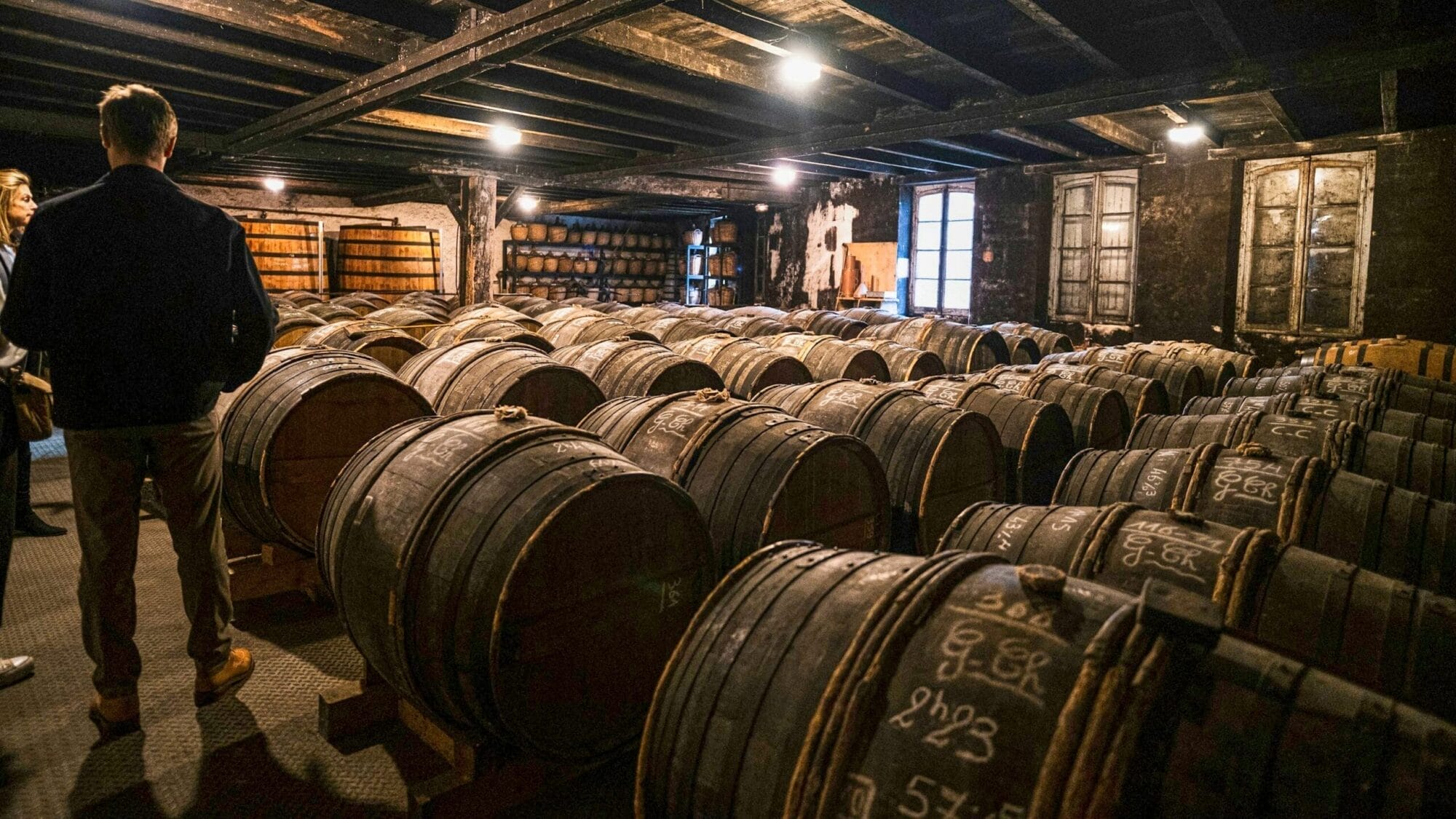
National Cognac Day celebrates one of the world’s most carefully regulated and historically rich spirits. Cognac is a type of brandy produced exclusively in the Cognac region of southwestern France, and its story begins not with luxury but with practicality. In the 16th century, Dutch merchants trading salt and wine along the Charente River found that local wines spoiled during long sea voyages. To preserve them, the wine was distilled into a concentrated form, making it more stable and easier to transport. Once it reached its destination, water could be added to restore it to wine. What traders did not initially anticipate was that the distilled spirit improved dramatically when aged in oak.
French producers soon adopted and refined this process. By the 17th century, double distillation became standard, using copper pot stills known as alambic charentais. This method produced a purer, more aromatic spirit. Aging the distillate in French oak barrels from nearby forests such as Limousin and Tronçais transformed the raw eau de vie into something far more complex. Over time, flavors of dried fruit, vanilla, spice and toasted wood emerged, giving birth to what we now know as cognac.
The spirit’s name comes directly from its place of origin, and its identity is legally protected. Only brandy produced in designated crus within the Cognac region, following strict production rules, can bear the name. These rules include permitted grape varieties, distillation methods and minimum aging requirements. Ugni Blanc grapes dominate production due to their high acidity and low sugar, which make them ideal for distillation.
By the 18th and 19th centuries, cognac had become a prized export. Houses such as Hennessy, Martell and Rémy Martin established international trade networks, shipping bottles to Britain, Russia, China and the Americas. Cognac became associated with diplomacy, aristocracy and celebration, yet its foundation remained agricultural and regional. National Cognac Day honors not only the finished spirit but also the land, growers and traditions that shaped it over centuries.
What sets cognac apart from many other spirits is the role of time. After distillation, cognac begins its life as a clear, fiery liquid. Only through long aging in oak barrels does it develop depth and balance. During this process, evaporation known as the angel’s share slowly reduces volume while concentrating flavor. Oxygen interacts with the spirit through the wood, softening harsh edges and creating layers of aroma.
Cognac is classified by age, based on the youngest eau de vie in the blend. VS indicates a minimum of two years of aging, though most houses age far longer. VSOP requires at least four years, while XO requires a minimum of ten. Many producers also release extra-aged expressions that spend decades in barrel, developing remarkable complexity.
Blending is central to cognac production. A single bottle may contain eaux de vie from different years, vineyards and crus. The cellar master, known as the maître de chai, is responsible for assembling these components to achieve consistency and balance. This role requires an exceptional sensory memory and a deep understanding of how spirits evolve over time.
Flavor profiles vary depending on origin and aging. Younger cognacs tend to highlight fresh fruit, floral notes and light spice. Older expressions develop richer characteristics such as dried apricot, fig, leather, nutmeg, cocoa and rancio, a distinctive savory note prized by enthusiasts. Texture also changes, becoming silkier and more integrated with age.
Cognac’s reputation for elegance is not accidental. Every stage of production is regulated, from vineyard yields to distillation timing. This precision ensures quality and preserves regional identity. National Cognac Day is an opportunity to appreciate this craft and to understand why cognac occupies a unique place among distilled spirits.
Celebrating National Cognac Day begins with slowing down. Cognac rewards attention and patience. Pour a small amount into a tulip-shaped glass and allow it to rest. Gently warming the glass in your hand releases aromas. Take time to smell before tasting, noting fruit, spice and oak rather than focusing solely on alcohol.
Traditionally, cognac has been enjoyed neat as a digestif, but modern appreciation embraces versatility. Lighter styles work well in cocktails such as the Sidecar or French 75 variation, while older expressions are best enjoyed on their own. Pairing cognac with food enhances the experience. It complements dark chocolate, aged cheeses, roasted nuts and desserts featuring caramel or dried fruit.
Home cooks can also incorporate cognac into the kitchen. A small amount added to pan sauces, mushroom dishes or desserts adds depth and aroma. Classic recipes like steak au poivre and crème brûlée benefit from its warmth and complexity.
National Cognac Day is also a chance to learn. Explore the differences between crus such as Grande Champagne, Petite Champagne and Borderies. Read about the history of a particular house or the role of oak in aging. Understanding context deepens enjoyment.
Responsible appreciation matters. Cognac is meant to be savored, not rushed. Its strength is balanced by nuance, and moderation allows those nuances to shine.
Ultimately, National Cognac Day honors continuity. Each bottle represents years of cultivation, distillation, aging and human judgment. It is the product of time shaped by skill. Whether you are new to cognac or revisiting a familiar favorite, take the day as an invitation to pause, sip and reflect on how patience transforms simple ingredients into something enduring.