National Fried Rice Day
September 20, 2029

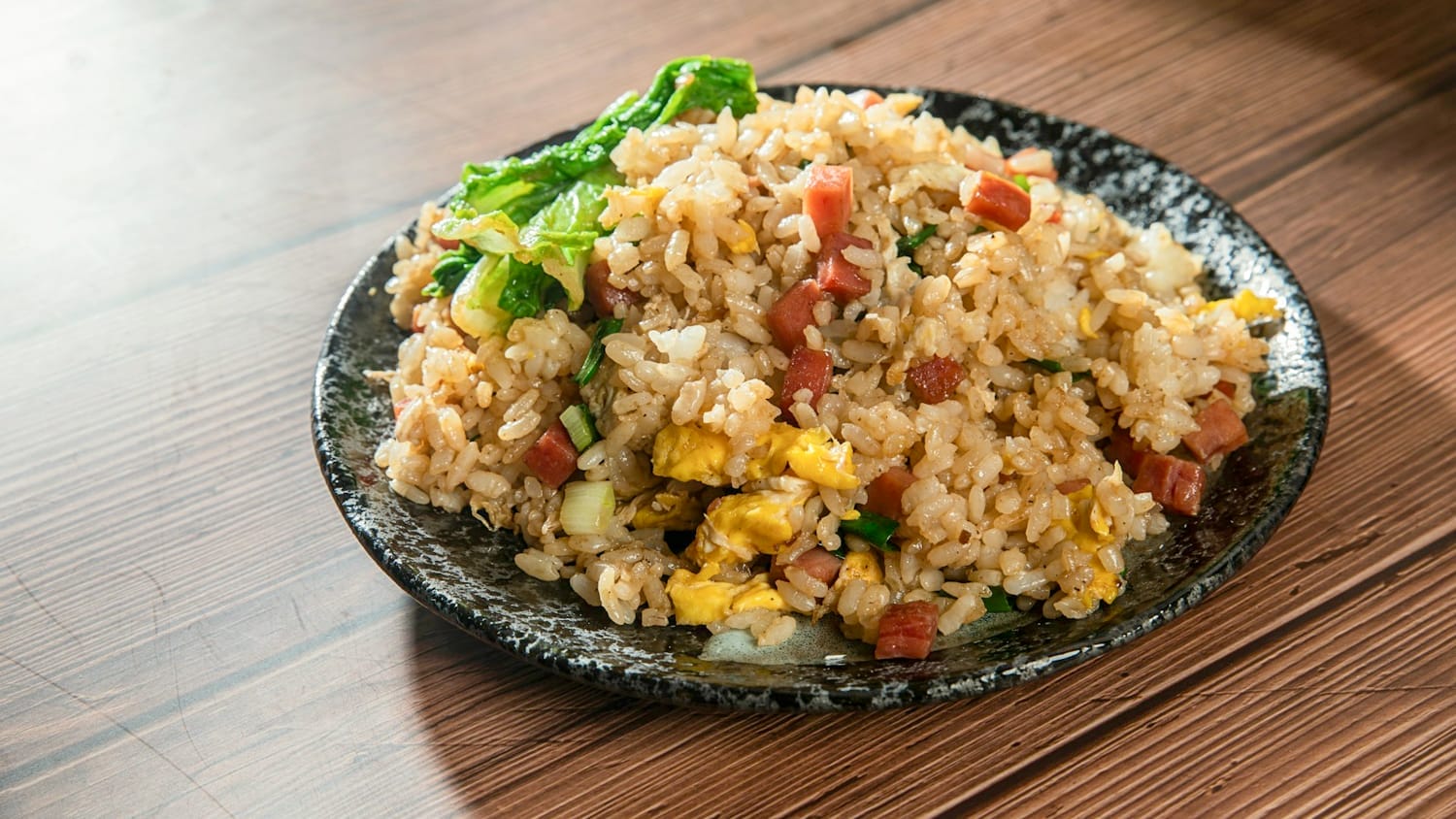
It’s hard to say what triggers it first—cooler air or the thought of fried rice. National Fried Rice Day on September 20 whispers to us to pause and savor flavors that are both familiar and endlessly adaptable. A bowl of fried rice carries comfort and versatility, equally at home at a late-night snack, a potluck table, or a celebratory feast. It is a dish that belongs to everyone who has ever opened the fridge, combined what was on hand, and found joy in transformation.
The story of fried rice begins in China, where cooks of the Sui dynasty (6th–7th century) first stir-fried leftover grains with vegetables, egg, and scraps of meat. The technique was born of practicality: nothing went to waste, and yesterday’s rice gained new life in a hot wok with oil and seasonings. From that simple act grew a culinary tradition that spread across Asia, each culture adding its own touch. In Indonesia, nasi goreng is spiced with sambal and kecap manis; in Thailand, khao pad is perfumed with fish sauce and lime; in Japan, chahan reflects both Chinese influence and local flavor. Wherever rice has traveled, fried rice has followed, embodying thrift, ingenuity, and taste.
Cooking fried rice is an act of rhythm and anticipation. Cold rice hits a hot pan with a hiss, grains separating as they toast in oil. Aromatics—garlic, scallions, ginger—perfume the air as vegetables tumble in, followed by egg scrambled into golden ribbons. Soy sauce darkens the mix, sesame oil drizzles fragrance, and perhaps bits of pork, shrimp, or tofu bring extra substance. The motions are simple yet timeless, linking today’s cook to countless others who have stirred rice in woks, skillets, or cast-iron pans, listening for the same satisfying sizzle.
What makes fried rice so beloved is its adaptability. It sits comfortably at every table, from bustling street stalls to fine dining restaurants. Families swap ingredients depending on season and circumstance—leftover roast chicken, garden peas, carrots, or even pineapple. In America, Chinese immigrants adapted the dish for new communities, making it a staple of takeout menus and home kitchens alike. For many, fried rice tastes like childhood: mismatched bowls balanced on knees, laughter over whose version turned out best, and the kind of belly laughs that linger long after the plates are empty.
When September 20 arrives and National Fried Rice Day appears on the calendar, it serves as both reminder and excuse. A reminder that humble ingredients can carry centuries of history and culture. An excuse to gather friends, clear an afternoon, and lose yourself in the joyful motions of chopping, stirring, and seasoning. Each bite is more than starch or spice—it is the patience, experimentation, and love that has kept this dish alive across continents and generations. In a busy world, taking time to cook and savor fried rice may be one of the gentlest ways to honor history and feed the soul.
