National Food Bank Day
September 1, 2028

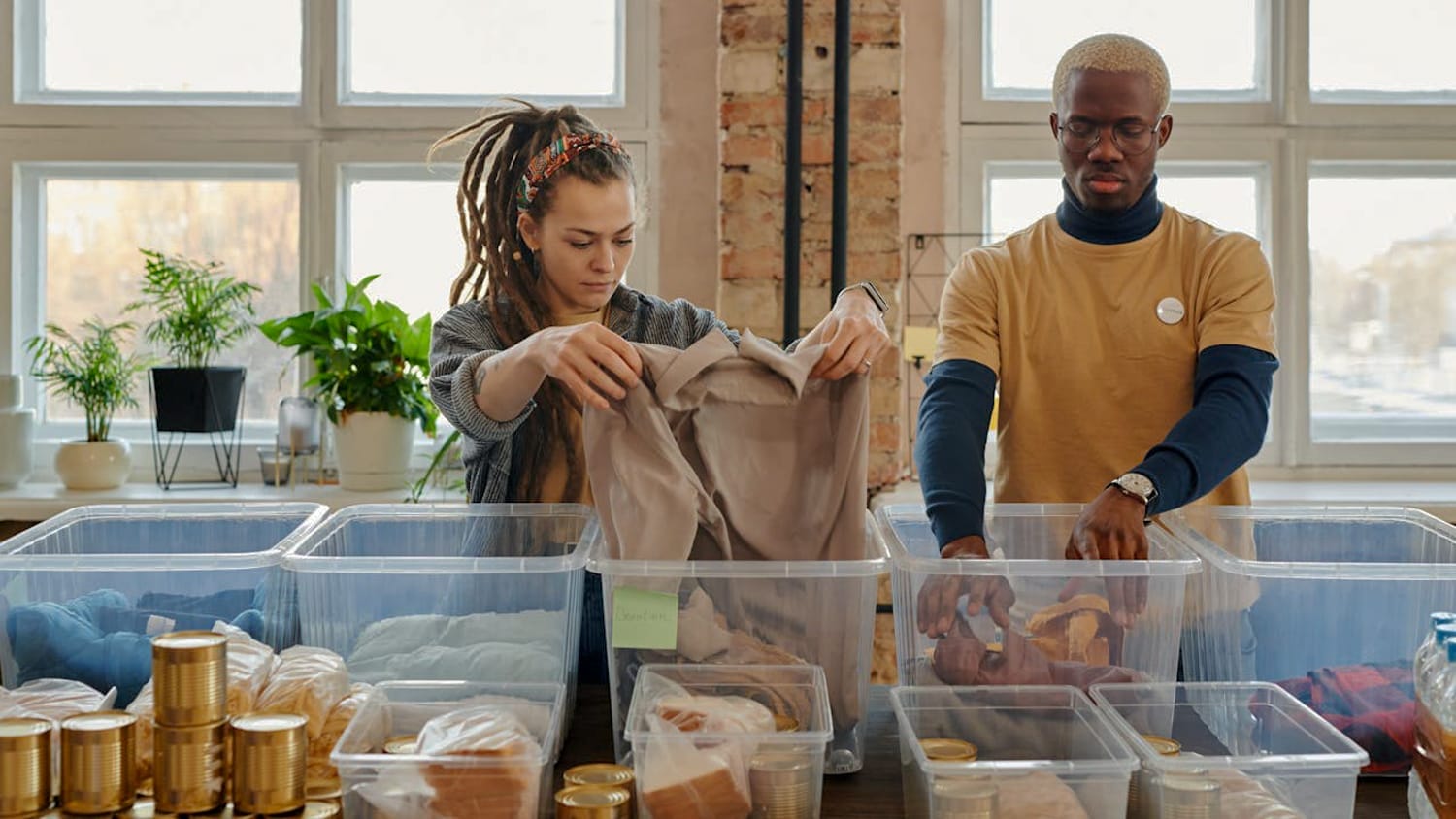
Every year around this time, I find myself craving something less about flavor and more about purpose—National Food Bank Day. It arrives on the first Friday of September, quietly inviting us to think about how we feed not only ourselves but each other. Across communities, churches, schools, and kitchens, people take note of the day and remember that food has always been more than sustenance—it’s connection, dignity, and care.
Long before National Food Bank Day was officially established, the idea of sharing food with neighbors in need was woven into human history. But the modern food bank movement began in 1967 in Phoenix, Arizona, when John van Hengel, a retired businessman volunteering at a soup kitchen, noticed that grocery stores often threw away edible food. Inspired, he founded St. Mary’s Food Bank—the first of its kind—to collect surplus food and distribute it to those who needed it most. His idea spread quickly across the country and, eventually, the world.
Today, food banks serve as vital community hubs that rescue millions of pounds of food annually, reducing waste and hunger alike. They bridge the gap between abundance and need, ensuring that families, seniors, and children don’t have to face empty plates. National Food Bank Day, created by St. Mary’s Food Bank in 2015, honors that mission and reminds us that generosity is a renewable resource.
Food is one of the most universal expressions of love. Whether ladling soup at a shelter or dropping canned goods into a donation bin, these small acts carry immense meaning. Helping at a food bank isn’t just charity—it’s solidarity. You become part of an unbroken chain of people working to make sure no one is forgotten. The rhythmic sound of sorting boxes, the scent of fresh produce, the laughter of volunteers sharing stories—all of it reminds us that nourishment begins with community.
What I love about National Food Bank Day is that it redefines what it means to “sit at the table.” It invites everyone—home cooks, chefs, students, and neighbors—to play a part in feeding one another. Some give time, others give food, and some offer funds, but each contribution ripples outward. My fondest memories involve community food drives where strangers worked side by side, loading boxes, trading recipes, and laughing through the heat of a long afternoon. It’s proof that generosity, like good food, multiplies when shared.
When September 4—or the first Friday of September—rolls around, National Food Bank Day serves as both reminder and motivation. It’s a reminder that hunger persists even in times of plenty, and a motivation to act. Food insecurity touches millions of Americans, but each of us has the power to make a difference. This day isn’t just about giving—it’s about empathy, gratitude, and recognizing that our collective strength grows when we care for one another. In a busy world, taking a moment to share food and kindness might be one of the most nourishing acts of all.

