World Samosa Day
September 5, 2027

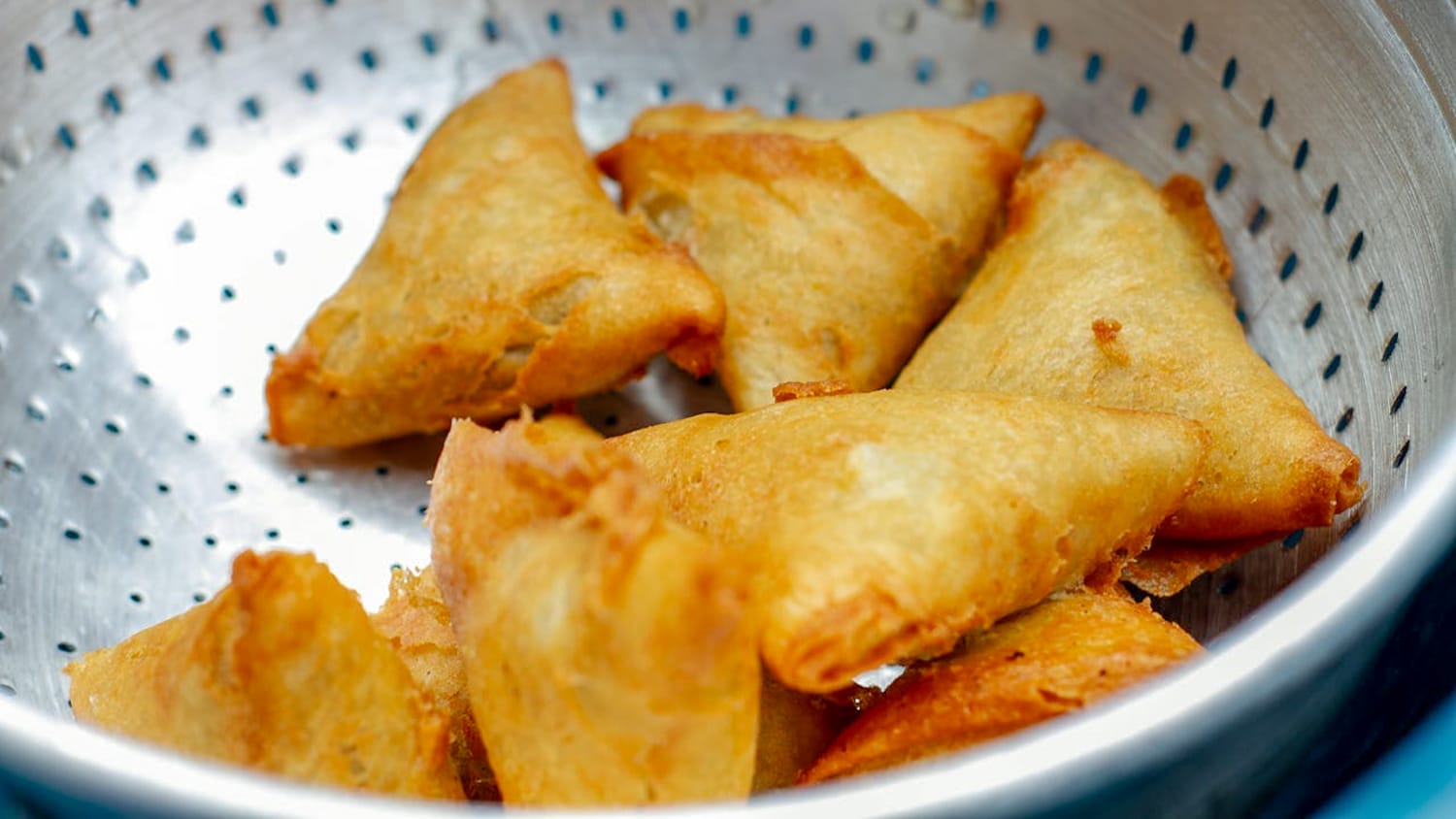
You can tell it’s early September when friends start talking about World Samosa Day. It sparks cravings and conversations about recipes passed down through generations—the sound of sizzling oil, the fragrance of cumin and coriander, and the joy of sharing something flaky and warm. Across kitchens, cafés, and street stalls, people take note of the date and celebrate a food that connects continents, cultures, and countless memories. The samosa is more than a snack—it’s a bridge between past and present, between hands that make and hearts that share.
Long before there was a holiday for it, the samosa was already traveling the world. Its origins trace back to ancient Persia, where cooks made sanbosag—small, savory pastries filled with meat, nuts, and spices. As traders and travelers moved along the Silk Road, the recipe migrated to India, Africa, and Southeast Asia, evolving with every stop. In the Indian subcontinent, the samosa took on its now-famous triangular form, filled with spiced potatoes, peas, and herbs—a reflection of regional flavors and ingenuity.
From the bustling streets of Delhi to Nairobi’s markets and London’s curry houses, the samosa became a global symbol of comfort food. Each culture made it its own: baked or fried, stuffed with meat or vegetables, folded small for tea time or large enough for a meal. The samosa’s adaptability and resilience mirror the migration stories of the people who carried it across oceans and generations.
Preparing samosas is an act of both patience and play. The dough must be kneaded to the right consistency—firm but supple. The filling, fragrant with turmeric, ginger, and chili, is sautéed until the air is thick with spice. Then comes the folding—each triangle sealed with care, every edge holding the promise of crisp perfection. The hiss of frying oil, the golden turn of the pastry, and that first bite of flaky crust give way to warmth and nostalgia. Making samosas feels less like cooking and more like storytelling through scent and touch.
What I love about World Samosa Day is how this humble pastry finds its place everywhere—from grand feasts to corner stalls, from after-school snacks to wedding buffets. It sits comfortably beside chutneys and tea or stands boldly on its own. In some homes, the filling changes with the seasons—sweet corn in summer, lentils in winter, or even chocolate for dessert. My fondest memories involve a kitchen alive with chatter, fingers dusted with flour, and the satisfying sound of samosas frying as laughter echoed around the table. The samosa is food for both the stomach and the soul.
When September 5 rolls around, World Samosa Day serves as both celebration and gratitude. It honors a food that has traveled the globe, adapting and thriving in every culture it touches. The samosa reminds us that culinary traditions are living things—shaped by history, migration, and imagination. Taking time to make, share, or simply enjoy one is an act of connection: to heritage, to craft, and to one another. In a world that moves quickly, pausing for something as simple as a warm samosa may be one of the sweetest, spiciest ways to feed both memory and community.