National Waiting for the Barbarians Day
November 4, 2025

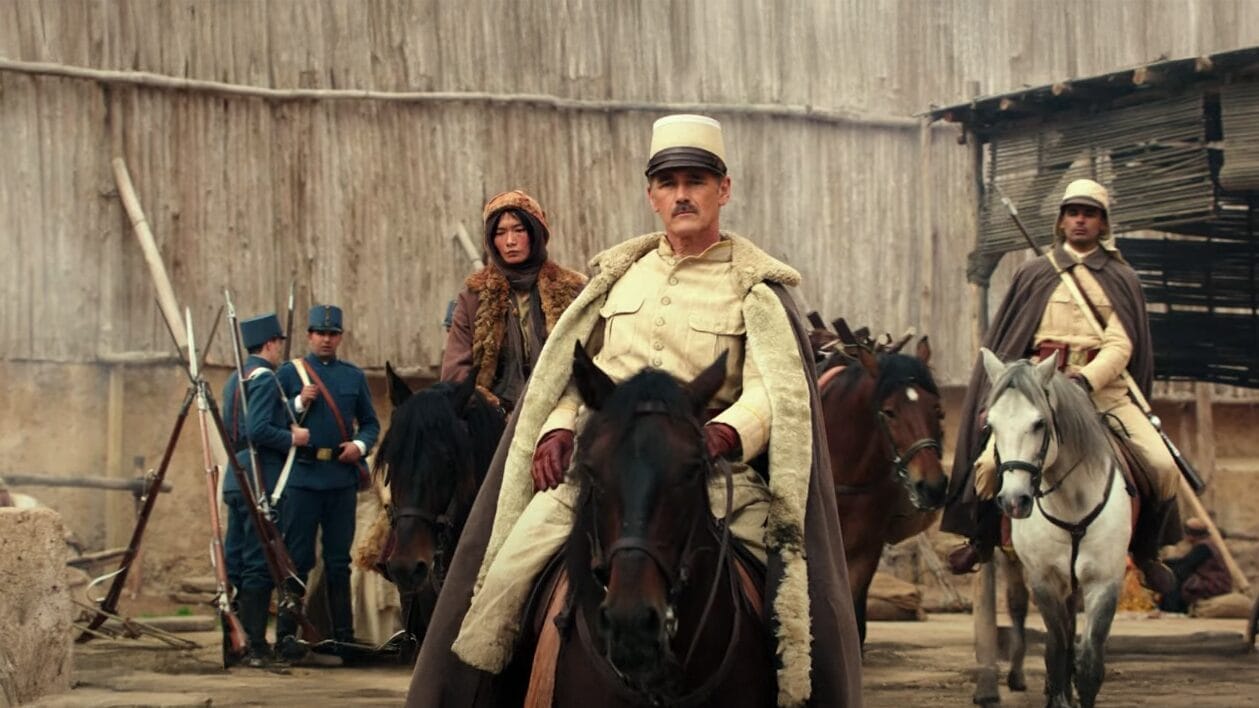
National Waiting for the Barbarians Day on November 4 is one of those niche literary observances that invites deep contemplation rather than frivolous celebration. Named after J. M. Coetzee’s 1980 novel about a frontier magistrate in an unnamed empire who grapples with violence and colonial oppression, the day encourages readers to explore themes of power, fear and humanity. It asks us to sit with uncomfortable questions: What happens when a society labels outsiders as enemies? How does language shape prejudice? By revisiting Coetzee’s allegory or similar works, we engage in a form of quiet activism, examining our own assumptions and the systems we inhabit.
While many holidays have centuries of tradition behind them, this modern observance grew organically among readers and academics who were struck by the enduring relevance of Coetzee’s novel. The book, written during apartheid-era South Africa, won the James Tait Black Memorial Prize and later the Nobel laureate’s acclaim. Sometime in the 2000s literary bloggers and activists began designating November 4, the date associated with the novel’s events, as a day to reflect on its themes. Though not officially recognized by governments, the day has been embraced by libraries, book clubs and human rights organizations as a call to consciousness.
Waiting for the Barbarians is set in a border town where rumors of barbarian attacks justify increasingly brutal measures by the empire. Through sparse prose and moral introspection, the magistrate narrator becomes a lens through which readers witness dehumanization, torture and the moral cost of complicity. The novel has been taught in universities around the world, adapted into an opera and a 2019 film, and often invoked in discussions about colonialism, militarism and state violence. Reading or rereading it in the twenty‑first century highlights how literature can illuminate the cyclical patterns of history and the human capacity for both cruelty and compassion.
In our polarized world, narratives that depict “others” as threats still abound. National Waiting for the Barbarians Day urges us to resist easy dichotomies and examine the systems of power we participate in. It’s a reminder that fear can be manipulated to justify injustice and that empathy is a form of resistance. Beyond the novel itself, the day is an opportunity to explore books, films and histories that confront colonialism and question how societies treat marginalized people. It challenges us to move from passive awareness to active engagement in social justice.
Reading Coetzee’s stark prose can be emotionally taxing. It forces us to confront brutality and the possibility that we, too, might look away from suffering. Yet it also opens a space for reflection and growth. On this day, allow yourself to feel discomfort, to empathize with the characters and to consider how you might stand against injustice in your own community. The goal isn’t despair but consciousness, cultivating the courage to see the humanity in those labeled as “other.”
National Waiting for the Barbarians Day is less about celebration and more about introspection. Through literature, we can practice the empathy and critical thinking needed to dismantle harmful narratives. By giving ourselves space to question and to listen, we honor the quiet courage at the heart of Coetzee’s work and reaffirm our commitment to justice.
