National Homemade Bread Day
November 17, 2029

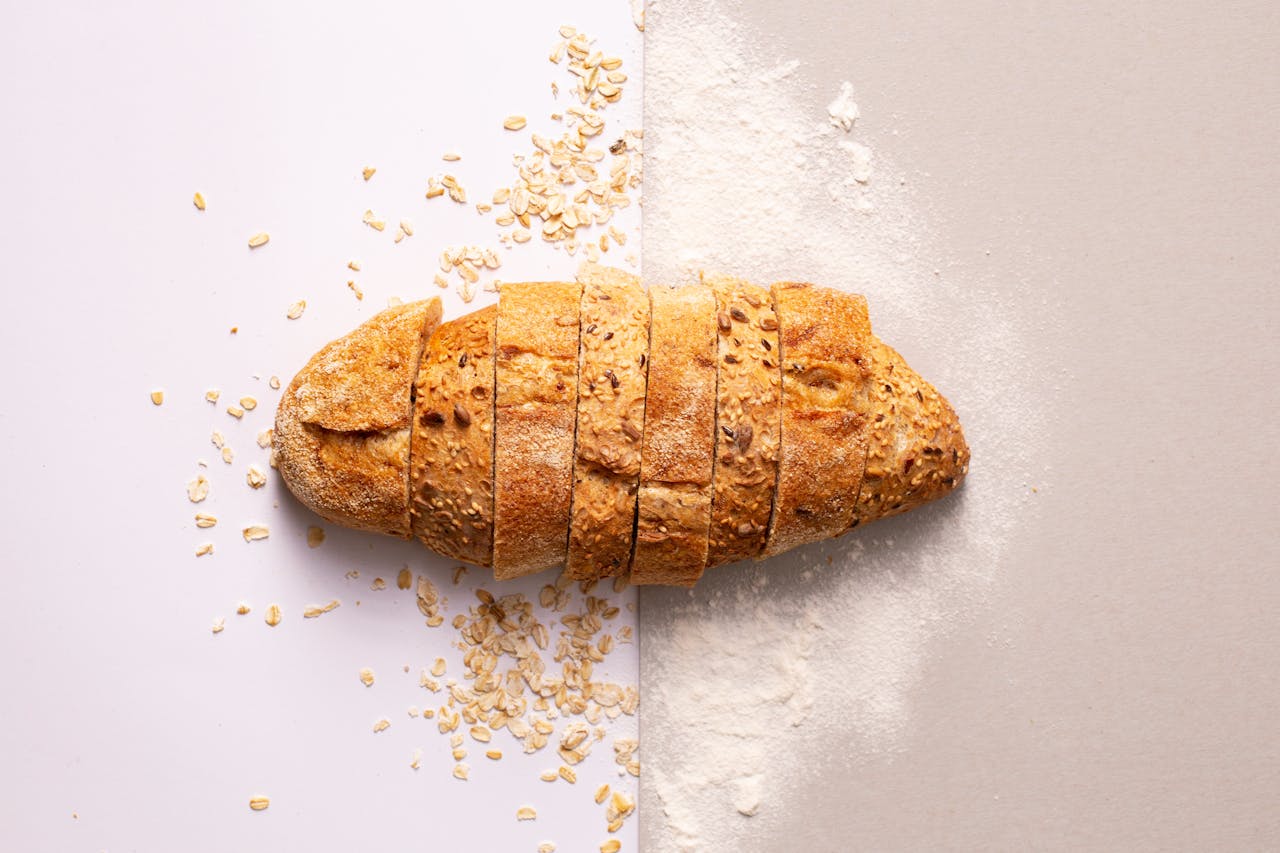
Bread is older than recorded history. Long before agriculture, Paleolithic people ground wild grains into meal and baked flatbreads on hot stones. With the advent of farming around 10,000 years ago, grains became humanity’s staple crop, and by 6000 BCE Egyptians were fermenting doughs with wild yeasts to make airy loaves. The smell of baking bread has been synonymous with home ever since. National Homemade Bread Day, observed on November 17, honors this ancient craft and the deep satisfaction of kneading, rising, and baking a loaf with your own hands.
Bread connects us across centuries and cultures. Early American colonists baked hearty rye and corn breads; European immigrants brought sourdoughs and enriched loaves; and every corner of the world has its own signature bake—Italian ciabatta, Indian naan, French baguettes, Jewish challah, Middle Eastern pita. The simple combination of flour, water, salt, and yeast has infinite variations, yet each loaf represents the same miracle: transformation through time, heat, and care. Whether torn, sliced, or shared, bread has always been a symbol of sustenance and hospitality.
There’s something meditative about baking bread. Watching dough rise feels like witnessing a living thing come to life. Kneading engages the body; the warm smell that fills the air engages the soul. In a world that prizes speed and convenience, breadmaking invites us to slow down. During the pandemic, sourdough starters bubbled on countertops around the world as people sought comfort and control through baking. National Homemade Bread Day carries that spirit forward—a reminder that patience and simplicity can still bring joy in uncertain times.
Not every loaf needs to be an artisan masterpiece. On Homemade Bread Day, bakers of all levels experiment and share their creations. Some turn to quick breads—banana, pumpkin, or zucchini—requiring no yeast or long proofing. Others take on the challenge of crusty boules, braided loaves, or cinnamon swirls. Experienced bakers might refresh an heirloom starter or teach a friend how to bake their first loaf. Whatever form it takes, the act of baking connects us to the simple pleasure of working with our hands and nourishing others.
This holiday isn’t just about recipes—it’s about reconnection. Making bread from scratch brings awareness to the rhythm of food, the patience of fermentation, and the comfort of sharing something made with intention. Store-bought loaves may offer convenience, but they rarely match the flavor or soul of a homemade bake. Breadmaking teaches us humility and gratitude—it asks us to trust time, to respect ingredients, and to celebrate imperfection. Each loaf tells a story: of sustenance, of care, of human continuity.
This November, dust flour onto your counter, roll up your sleeves, and sink your hands into dough. As the aroma of fresh bread fills your kitchen, think of the generations before you who did the same—feeding their families, sustaining their communities, and celebrating the small magic of transformation. On National Homemade Bread Day, every loaf is an offering of gratitude: to the earth that grows our grain, to the hands that knead it, and to the timeless comfort of sharing something warm and good.
