National Carbonated Beverages Day
November 19, 2026

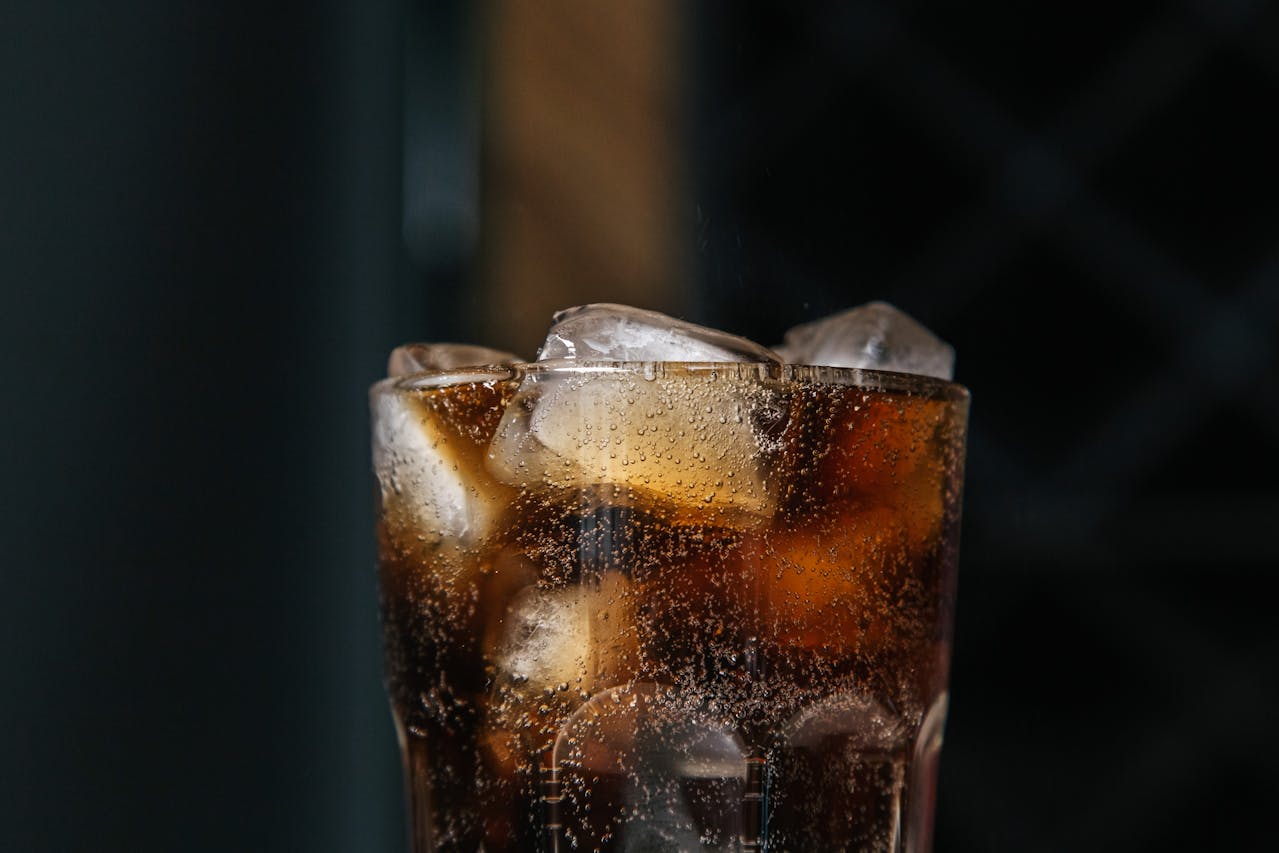
Pop the top of a cola can or uncap a bottle of fizzy cold brew and you’ll hear a gentle hiss and crackle—the sound of carbon dioxide escaping from a pressurized solution. That effervescent rush is what National Carbonated Beverage with Caffeine Day, observed every November 19, invites us to celebrate. While the holiday’s origins may be a bit hazy, the story of these caffeinated, carbonated creations is a testament to centuries of curiosity, chemistry, and marketing genius.
The first carbonated drinks were alcoholic—beer and sparkling wine both rely on fermentation to produce their bubbles. The story of modern carbonation, however, begins with English chemist Joseph Priestley, who in 1767 discovered a way to infuse water with carbon dioxide. Working at a brewery in Leeds, he suspended a bowl of water above a vat of fermenting beer, capturing the gas and dissolving it into the water. The result—“soda water”—delighted his friends with its tangy, effervescent taste. Priestley’s discovery inspired Swiss watchmaker and inventor Johann Jacob Schweppe to refine the process, creating a machine that could manufacture carbonated water on demand. He began selling it to apothecaries in the 1780s as a digestive tonic—laying the groundwork for a booming industry.
The second key ingredient, caffeine, entered the story in the 19th century. The compound occurs naturally in coffee, tea, and cacao, but German chemist Friedlieb Ferdinand Runge first isolated caffeine in 1819, giving scientists a pure form to study. In 1886, American pharmacist John Pemberton blended caffeine with carbonated water, kola nut, and coca leaf to create Coca-Cola—a medicinal tonic he marketed as a temperance drink. Although cocaine was later removed, the caffeine remained, extracted from tea leaves and continuing to provide the drink’s signature kick. Just a few years later, Waco, Texas introduced Dr Pepper, a blend of 23 mysterious flavors that cemented the soda fountain as a hub of social life. During Prohibition, these fizzy concoctions replaced cocktails as people gathered for sweet, bubbly comfort instead of spirits.
By the early 20th century, soda culture was thriving. Brands like Pepsi, Moxie, and Mountain Dew joined the shelves, each with its own personality and loyal following. Advertisers turned refreshment into ritual—associating soft drinks with youth, happiness, and Americana. Iconic marketing moments, from Norman Rockwell’s wholesome depictions to Coca-Cola’s jolly red-suited Santa Claus of the 1930s, transformed these beverages into cultural symbols. The combination of caffeine and carbonation became a formula for productivity and pleasure—a pick-me-up in a bottle or can that fueled generations through workdays, road trips, and lazy summer afternoons.
The magic of carbonation lies in physics and perception. When carbon dioxide is dissolved into liquid under pressure, it forms carbonic acid, giving soda its slight tang. Once opened, the drop in pressure releases gas in a flurry of bubbles that rise and burst, carrying aromatic compounds to your nose. That prickling sensation on your tongue? It’s not just bubbles but a chemical reaction—carbonic acid stimulating your taste receptors. Meanwhile, caffeine acts as a gentle stimulant, blocking adenosine receptors in the brain and warding off fatigue. Together, they create a sensory experience that’s both invigorating and oddly comforting—fizz and focus in perfect balance.
Today, the world of caffeinated carbonated beverages extends far beyond traditional colas. Sparkling cold brews, kombuchas, energy drinks, and craft sodas reinterpret the formula for a new generation. Health-conscious consumers experiment with natural sweeteners and botanical infusions, while innovators play with nitrogen or exotic flavor pairings. Yet the essential pleasure remains unchanged: that first crisp sip, the sting of bubbles, the gentle wake-up buzz that feels like clarity in liquid form.
Whether you reach for a classic cola, an icy energy drink, or a sparkling coffee, National Carbonated Beverage with Caffeine Day celebrates the alchemy of fizz and focus. Behind every hiss and rising bubble lies a lineage of discovery—from 18th-century chemists to 20th-century marketers and 21st-century innovators. The next time you open a can and hear that satisfying crack, take a moment to appreciate the chemistry, creativity, and community that made it possible. Sometimes joy is as simple as the sound of a pop and the sparkle that follows.
