National Cranberry Relish Day
November 22, 2027

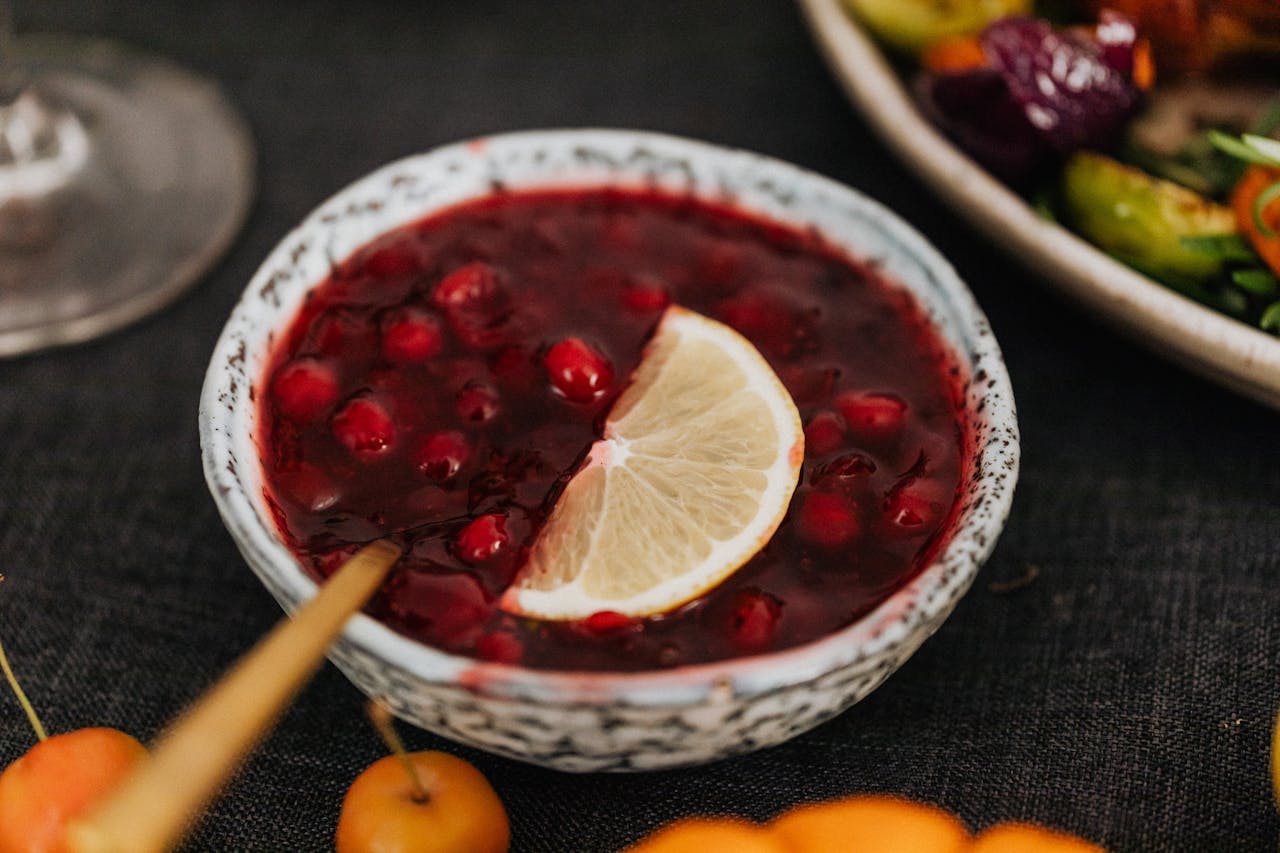
Cranberries are one of the few fruits native to North America that have become an international symbol of autumn feasts. Indigenous peoples of the Northeastern woodlands harvested the tart berries from bogs long before European contact. They ate them fresh, mashed them with maple sugar and meat to make pemmican, and prized them for their medicinal and dyeing properties. European settlers quickly embraced the fruit, stewing it with honey or sugar to create a tangy accompaniment for roasted meats. By the 19th century, commercial cultivation on Cape Cod and in Wisconsin had transformed the cranberry from wild foraged treasure to a Thanksgiving essential. Its ruby hue and bold tartness now embody the flavor of the season.
National Cranberry Relish Day, celebrated each year on November 22, honors a fresher, zestier twist on the classic cranberry sauce. Unlike the cooked jellies and canned molds that have long graced holiday tables, relish is raw—bright, crunchy, and full of life. Traditionally made by grinding or pulsing cranberries with oranges and sugar, it strikes a balance between sharp acidity and natural sweetness. Some modern recipes add toasted nuts for texture, ginger or jalapeños for heat, or even a splash of whiskey or port for depth. The result is a condiment that enlivens every bite of turkey, sandwich, or cheese board.
What makes cranberry relish so appealing is its simplicity. There’s no stove required—just a bowl, a food processor, and a few minutes of mixing. The process highlights the fruit’s natural brilliance, both in flavor and color. The tiny berries burst into a jewel-toned mixture that glows like garnet under kitchen light. Because it can be made days in advance, relish frees up valuable oven space and gives cooks one less dish to worry about on Thanksgiving Day. It also keeps well in the refrigerator, its flavor deepening as the ingredients meld. Spread it on leftover turkey sandwiches, stir it into yogurt, or spoon it over brie for an instant appetizer.
Behind every spoonful of cranberry relish lies a landscape and a legacy. Cranberries grow in low, sandy bogs that are flooded during harvest, creating breathtaking scenes of floating red fruit. These bogs, found mainly in Massachusetts, Wisconsin, New Jersey, and the Pacific Northwest, depend on centuries of Indigenous knowledge and stewardship. The Wampanoag and other tribes who first cultivated cranberries understood their versatility—food, dye, and medicine rolled into one resilient berry. Modern cranberry farming builds upon that heritage, combining tradition with careful water management to preserve both fruit and environment.
National Cranberry Relish Day isn’t just about flavor—it’s about transformation. A handful of tart berries becomes a dish that ties past and present, nature and celebration. As you grind and stir, think of the flooded bogs that blush crimson each fall, and the generations who found sustenance and joy in this small, resilient fruit. In every spoonful of relish is a reminder that simple ingredients, when treated with care, can become something extraordinary—bright, bold, and worthy of tradition.