Walk Your Dog Month
January 1, 2026

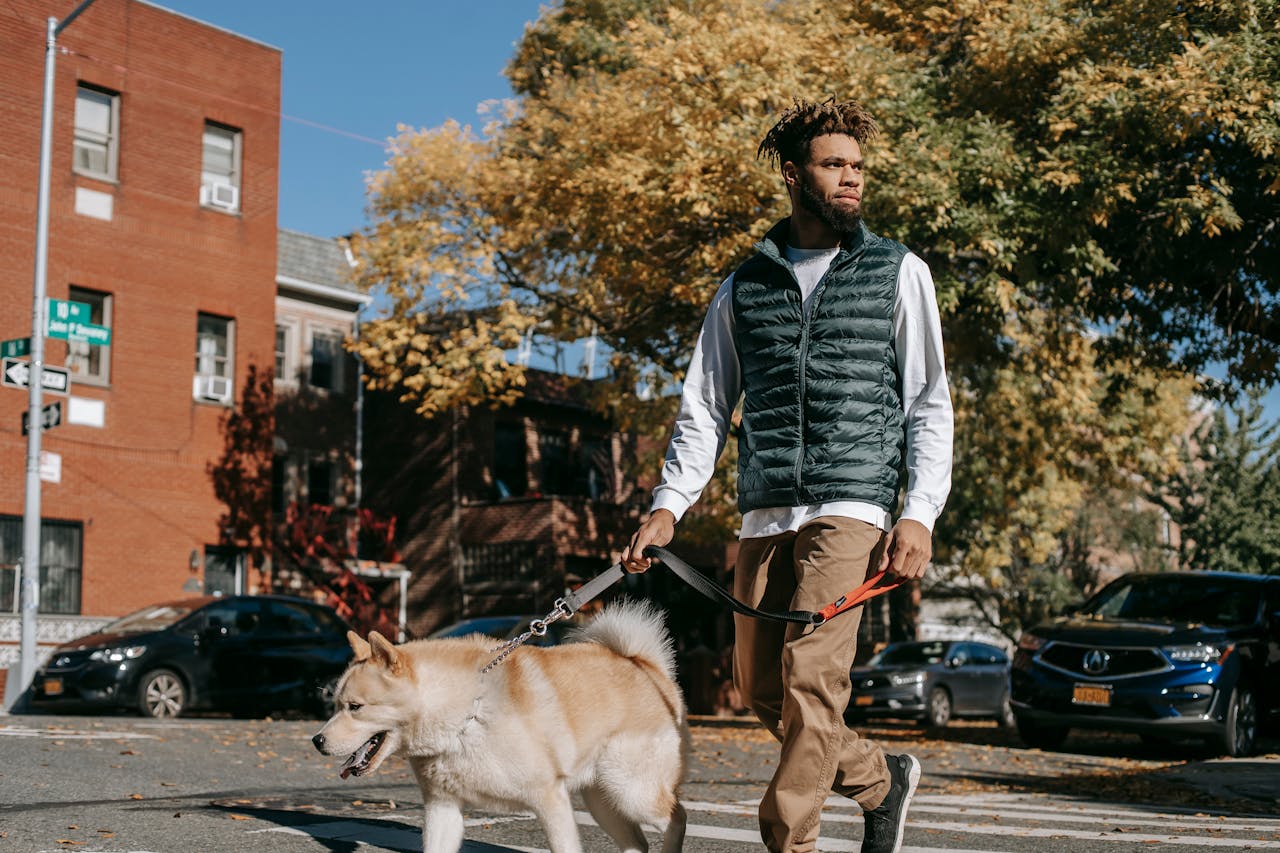
Walk Your Dog Month, observed every January, highlights one of the most fundamental responsibilities of dog ownership: providing regular, meaningful walks. While many people view walks primarily as a way for dogs to relieve themselves or burn off excess energy, walking plays a far deeper role in a dog’s physical health, mental stimulation, and emotional balance.
Dogs evolved as active animals that traveled alongside humans while hunting, herding, and exploring territory. Even today, a walk engages their bodies and minds simultaneously. The physical benefits are clear. Regular walking supports cardiovascular health, maintains healthy joints, prevents obesity, and strengthens muscles. Dogs that walk consistently are less likely to suffer from weight-related conditions such as diabetes, arthritis, and heart disease.
Beyond exercise, walks provide essential mental enrichment. Every outing exposes dogs to new scents, sounds, and visual cues. Smelling a lamppost, tracking another dog’s trail, or observing passing cars activates parts of the brain tied to problem-solving and curiosity. Mental stimulation reduces boredom, which is a common cause of destructive behaviors like chewing, excessive barking, and digging.
Emotionally, walking helps regulate stress and anxiety. Dogs that are confined indoors or in backyards without regular walks may develop pent-up frustration. A structured walk offers predictability and a sense of purpose. It allows dogs to explore the world while remaining safely connected to their handler, which builds confidence and trust.
For people, daily walks create routine and accountability. Dogs do not care about cold weather, busy schedules, or low motivation. Their need for movement encourages consistency, which benefits human health as well. Walk Your Dog Month serves as a reminder that walking is not optional enrichment. It is a core component of a dog’s well-being.
A walk is more than movement. It is one of the most effective training environments available to dog owners. Walking on a leash teaches dogs how to navigate the world calmly and safely. Skills such as loose-leash walking, stopping at curbs, ignoring distractions, and responding to cues like sit or wait are all reinforced during walks.
Dogs that receive consistent walking routines tend to display better impulse control. They learn that excitement does not always lead to immediate action and that paying attention to their handler leads to positive outcomes. This carries over into the home, making everyday interactions smoother and less stressful.
Walking also strengthens the human-dog bond. When a person walks with a dog, they are sharing time, direction, and decision-making. Dogs are highly attuned to body language and emotional cues. Calm, focused walks communicate leadership and security. Over time, dogs begin to look to their handler for guidance rather than reacting impulsively to their surroundings.
Different types of walks serve different purposes. A brisk walk may be ideal for high-energy dogs that need aerobic exercise. A slower, scent-focused walk allows dogs to investigate their environment thoroughly, which can be equally tiring and satisfying. For older dogs or those with mobility challenges, shorter walks at a gentle pace maintain joint health and mental engagement without strain.
Walks also play a critical role in socialization. Seeing other dogs, people, bicycles, and unfamiliar objects teaches dogs how to remain calm and adaptable. Properly managed exposure during walks helps prevent fear-based behaviors and reactivity. This is especially important for puppies, rescue dogs, and dogs that have had limited life experiences.
Walk Your Dog Month encourages owners to view walking not as a chore, but as an opportunity. Each walk is a chance to teach, observe, connect, and reinforce trust.
One of the challenges many dog owners face is consistency. Weather, work schedules, and personal energy levels can interfere with daily walks, especially during winter. Walk Your Dog Month emphasizes building habits that last beyond January by making walking practical, safe, and enjoyable.
Preparation makes a significant difference. Proper gear such as well-fitted harnesses, sturdy leashes, reflective collars, and weather-appropriate clothing helps ensure comfort and safety. In colder months, protecting a dog’s paws from ice, salt, and chemicals can prevent injury. In warmer climates, walking during cooler parts of the day reduces the risk of heat exhaustion.
Setting realistic goals is equally important. Not every dog requires long-distance walks. The right duration and intensity depend on age, breed, health, and temperament. A consistent twenty-minute walk may be more beneficial than sporadic long outings. What matters most is regularity and engagement.
Community support can also help. Walking with neighbors, joining local dog walking groups, or hiring a professional dog walker when schedules are tight keeps routines intact. Many shelters and rescue organizations emphasize walking as a key part of behavioral health for dogs, reinforcing its importance across the animal welfare field.
Walk Your Dog Month also encourages reflection on broader impacts. Regular walking reduces nuisance behaviors that can strain relationships with neighbors and landlords. It improves public safety by lowering the likelihood of reactive incidents. It fosters healthier dogs who are easier to manage and more enjoyable companions.
Ultimately, walking is one of the simplest and most powerful ways to care for a dog. It requires no special equipment beyond a leash and attention. It benefits physical health, emotional balance, training success, and the human-animal bond. Walk Your Dog Month serves as a reminder that showing up every day, step by step, is one of the greatest gifts a person can give their dog.
