National Milk Day
January 11, 2028

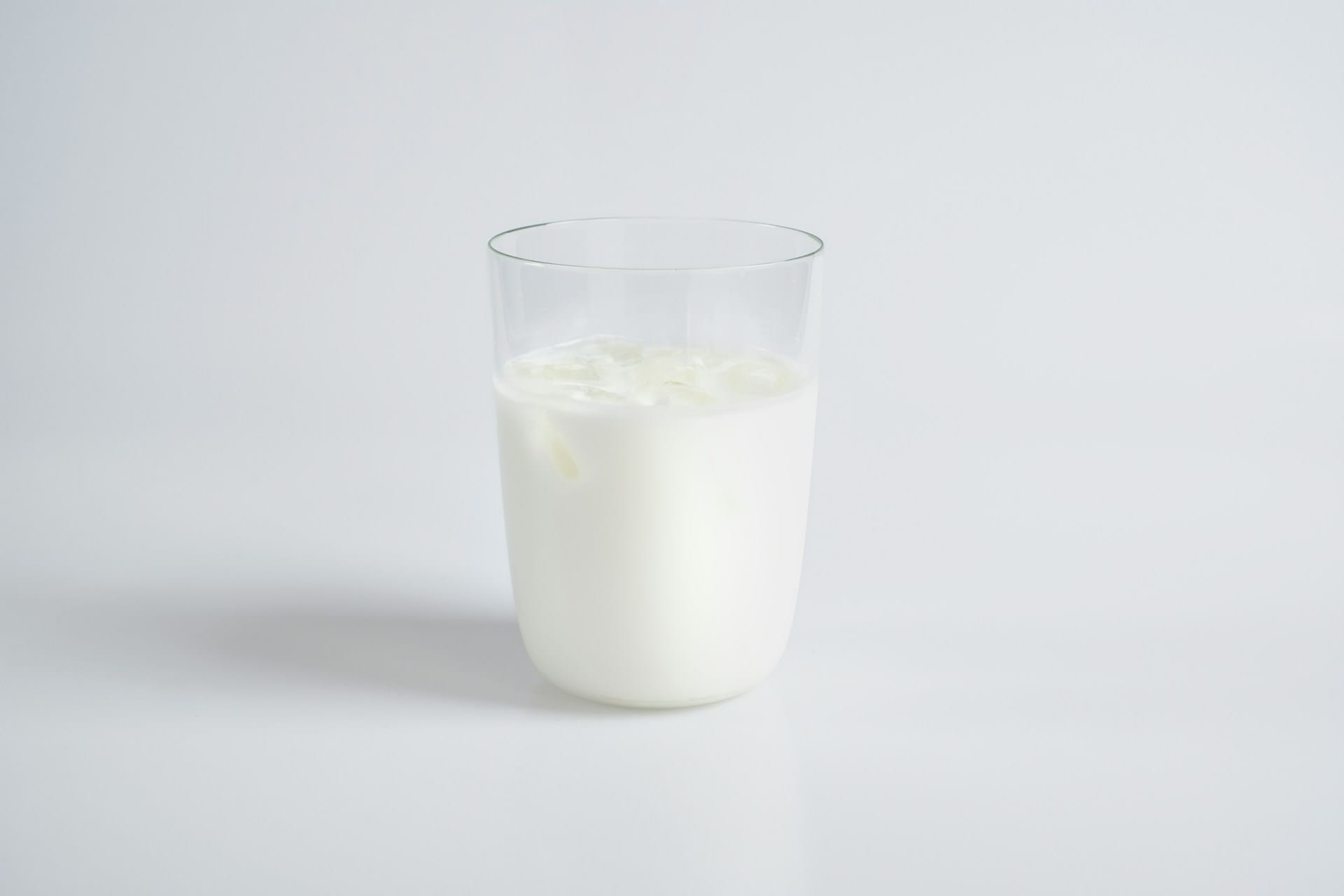
National Milk Day celebrates one of humanity’s oldest and most influential foods. Long before refrigeration, grocery stores, or even written language, humans formed a relationship with milk that reshaped diets and societies. Archaeological evidence suggests that people began milking domesticated animals such as goats and sheep around 8000 BC in the Fertile Crescent. From there, dairy practices spread across Europe, Asia, and parts of Africa as pastoral cultures learned that milk could be consumed fresh or transformed into longer-lasting foods like cheese, yogurt, and butter.
Milk played a critical role in human survival because it offered dense nutrition in a form that could be harvested repeatedly without slaughtering animals. Over generations, certain populations developed genetic adaptations that allowed adults to digest lactose, the natural sugar in milk. This biological shift influenced settlement patterns and agricultural expansion, particularly in northern Europe and parts of Central Asia, where dairy farming became a cornerstone of daily life.
As societies grew, so did milk’s cultural importance. Ancient civilizations valued dairy not only as sustenance but also as a symbol of abundance and care. In medieval Europe, monasteries maintained herds and refined cheesemaking techniques. In many cultures, milk was associated with childhood, nourishment, and hospitality, associations that persist today. National Milk Day reflects this long arc of human innovation, biology, and tradition, reminding us that a simple glass of milk carries thousands of years of shared history.
The modern milk supply is shaped as much by science as by agriculture. During the 19th century, rapid urbanization created serious public health challenges. Milk often traveled long distances without refrigeration and was easily contaminated, leading to outbreaks of disease. The work of Louis Pasteur in the 1860s transformed food safety by demonstrating that heat could kill harmful bacteria. Pasteurization of milk became a turning point, drastically reducing illness and making dairy safer for growing city populations.
In the United States, another milestone arrived in the late 1800s with the introduction of sterilized glass milk bottles and organized home delivery systems. These innovations improved hygiene, transparency, and trust between farmers and consumers. Over time, standards for refrigeration, testing, and handling further refined the dairy supply chain, creating the reliable product many people take for granted today.
Nutritionally, milk remains a powerhouse. It provides high-quality protein that supports muscle repair and growth, along with calcium and vitamin D that are essential for bone health. Milk also contains vitamin B12, potassium, and phosphorus, nutrients that support nerve function and overall metabolic health. For children, milk has historically played a role in growth and development, while for adults it contributes to maintaining bone density over time.
At the same time, National Milk Day recognizes that not everyone tolerates or chooses traditional dairy. Lactose intolerance affects many people worldwide, leading to the development of lactose-free milk that retains nutrients while removing digestive discomfort. In recent decades, plant-based alternatives made from almonds, oats, soy, and other sources have expanded consumer choice. While nutritionally different from dairy milk, these options reflect evolving dietary needs and ethical considerations.
Milk’s relevance today extends beyond nutrition into conversations about sustainability, animal welfare, and land stewardship. Dairy farming requires careful management of animals, soil, water, and feed. Many farmers work across generations, balancing tradition with modern technology to improve animal health and reduce environmental impact. Advances in veterinary care, feed efficiency, and waste management continue to shape how milk is produced responsibly.
National Milk Day offers an opportunity to appreciate this often unseen labor. Behind every carton or bottle is a network of farmers, processors, drivers, inspectors, and scientists working to deliver a safe and consistent product. Learning about where milk comes from can foster greater respect for agricultural systems and the challenges they face, from climate variability to economic pressures.
In daily life, milk remains remarkably versatile. It anchors breakfasts poured over cereal, enriches coffee and tea, and forms the foundation of sauces, soups, and baked goods. It can be frothed, simmered, cultured, or churned, transforming into foods that appear in cuisines around the world. Even those who choose non-dairy options often rely on milk-inspired products for similar culinary roles.
Celebrating National Milk Day does not require allegiance to a single type of milk. It can mean revisiting a childhood favorite, trying a new alternative, baking a family recipe, or reading about how dairy farming has evolved. What unites these choices is recognition of milk’s enduring place in human life. From ancient herders to modern households, milk’s journey from animal to table reflects a delicate balance of care, science, and nourishment that continues to shape how societies feed themselves.
