National Curried Chicken Day
January 12, 2027

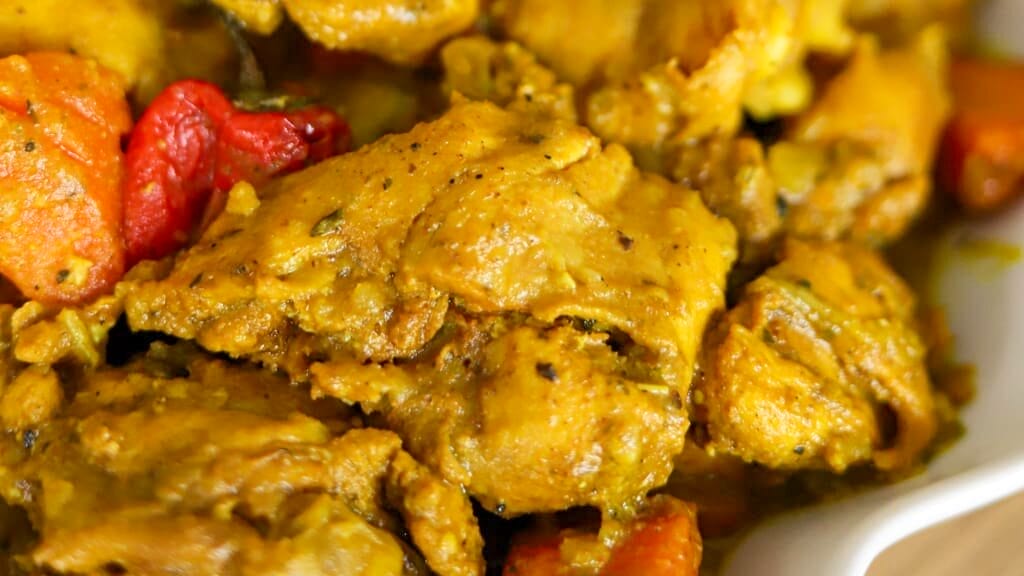
Curried Chicken Day on January 12 celebrates far more than a single recipe. It honors a global category of cooking that has evolved through centuries of trade, migration, and cultural exchange. The term “curry” itself is a broad and imperfect label, often used outside South Asia to describe dishes built around layered spices, aromatics, and sauces. In the regions where these dishes originated, they are rarely grouped under one name. Instead, they are defined by technique, spice balance, and local ingredients passed down through generations.
In the Indian subcontinent, chicken curry appears in countless regional forms. Northern styles often rely on tomatoes, onions, yogurt, and warming spices like garam masala. Butter chicken, originally developed in Delhi, uses roasted or tandoori chicken folded into a rich tomato and cream sauce. In contrast, many southern Indian chicken curries are sharper and more aromatic, incorporating coconut, curry leaves, black pepper, mustard seed, and tamarind. Each version reflects climate, agriculture, and cultural preference rather than a single national identity.
As spice trade routes expanded, these cooking traditions traveled. When the British East India Company established trading posts in the seventeenth and eighteenth centuries, colonial officers encountered Indian cuisines and developed a taste for spiced stews. Upon returning to Britain, they attempted to recreate those flavors using dried spice blends and locally available ingredients. This led to the commercialization of curry powder and the emergence of Anglo Indian dishes that were inspired by, but distinct from, their South Asian counterparts.
Curried chicken continued to evolve wherever people carried it. In the Caribbean, Indian indentured laborers brought spice knowledge that merged with African, European, and Indigenous cooking traditions. Jamaican and Trinidadian curry chicken developed their own identities, often using Scotch bonnet peppers, thyme, and allspice. In Southeast Asia, chicken curry took on new forms again, shaped by coconut milk, lemongrass, galangal, and fresh herbs. What unites all of these dishes is not a fixed recipe, but the idea that chicken serves as a canvas for spice, technique, and cultural memory.
Curried chicken has endured for centuries because it is adaptable, economical, and deeply satisfying. Chicken is widely available and absorbs flavor well, making it ideal for spice driven cooking. Curry techniques also allow cooks to stretch ingredients, feeding families and communities with modest resources. A small amount of meat, paired with onions, legumes, vegetables, and sauce, can become a complete and nourishing meal.
Spices play a practical role as well as a sensory one. Historically, many spices used in curries had preservative or antimicrobial properties, which was especially valuable in hot climates. Turmeric, garlic, ginger, and chiles contribute not only flavor but also color, aroma, and perceived warmth. Over time, these ingredients became associated with comfort, celebration, and home cooking.
Curried chicken also reflects how food adapts in diaspora communities. Dishes like chicken tikka masala, often associated with British Indian cuisine, were created to suit local tastes while preserving familiar spice profiles. Coronation chicken, developed for Queen Elizabeth II’s coronation in 1953, transformed curry into a cold, mayonnaise based salad, showing how flavors can be reshaped for new contexts. These adaptations are not lesser versions of traditional dishes, but evidence of living cuisines responding to new environments.
In home kitchens today, curried chicken remains approachable. It can be made quickly with pantry spices or slowly with freshly toasted whole spices. It can be mild or fiery, brothy or thick, rustic or refined. Served over rice, with flatbread, or alongside vegetables, it fits seamlessly into everyday meals while still feeling special. This balance between familiarity and depth is one reason curried chicken continues to appear on tables around the world.
Curried Chicken Day is an invitation to explore, learn, and cook with intention. One way to celebrate is by trying a regional style you have never made before. That might mean cooking a coconut based curry from southern India, a Thai green curry with fresh herbs, or a Caribbean curry seasoned with allspice and thyme. Reading about the origins of a dish before cooking it can deepen appreciation for the culture behind the flavors.
Home cooks can also use the day to experiment with technique. Toasting whole spices and grinding them fresh can dramatically change the flavor of a curry. Marinating chicken in yogurt and citrus can improve texture and balance heat. Slow simmering allows spices to mellow and integrate, while finishing with fresh herbs or acid brings brightness. Even small adjustments can transform a familiar dish into something new.
For those who prefer not to cook, supporting a local restaurant that specializes in curry is another meaningful way to observe the day. Many family run establishments carry recipes tied to specific regions and histories. Ordering with curiosity and respect helps sustain these culinary traditions and the communities that preserve them.
Curried Chicken Day is ultimately about recognizing how food carries stories. Each version reflects migration, resilience, adaptation, and shared meals across generations. Whether you cook from scratch, follow a family recipe, or try a new restaurant, the act of eating curried chicken connects you to a global network of cooks who have used spice to transform simple ingredients into enduring comfort. One dish, countless histories, and endless possibilities all meet in a single bowl.