National Corn Chip Day
January 29, 2028

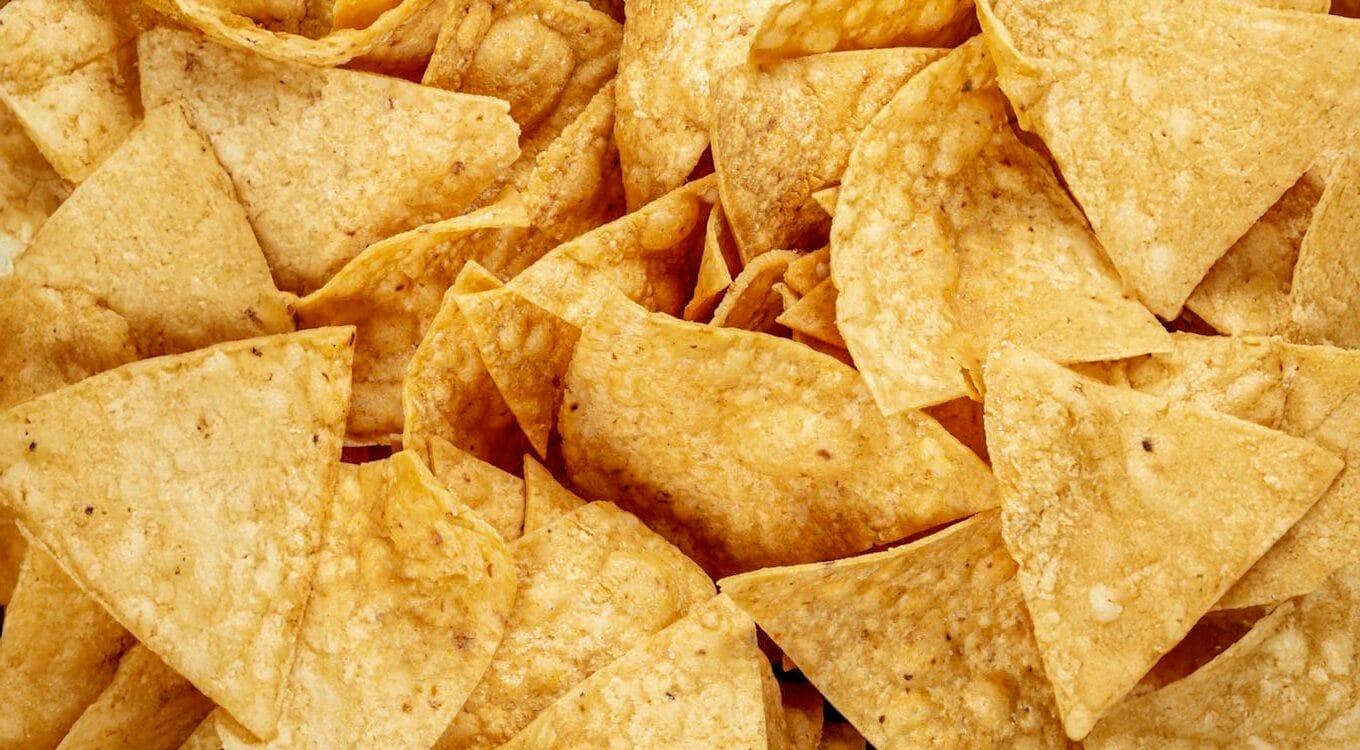
Corn chips are one of the most recognizable snacks in American pantries, known for their sturdy crunch and bold corn flavor. Unlike tortilla chips, which are made from masa produced through nixtamalization, corn chips are typically made from whole grain cornmeal that is mixed into a dough, shaped and then fried or baked. This difference gives corn chips a denser texture and a more pronounced corn taste, making them ideal for scooping, topping and standing up to hearty dishes.
The rise of corn chips in the United States is closely tied to Texas in the early twentieth century. In 1932, Elmer Doolin, a businessman from San Antonio, purchased a corn chip recipe from a Mexican American street vendor. At the time, the chips were made by hand in small batches. Doolin saw potential in the snack and began producing them commercially, naming them Fritos. He founded the Frito Company and started selling the chips out of his car before expanding production. What began as a regional snack quickly gained national attention due to its simplicity, affordability and satisfying crunch.
As corn chips spread across the country, they became closely associated with Southwestern flavors and comfort food culture. Their durability made them well suited for pairing with thick dips and stews. Over time, corn chips became more than just a snack. They became an ingredient, a topping and a base for new dishes that reflected regional creativity and practicality.
One of the most iconic dishes to feature corn chips is the Frito pie, a combination of corn chips topped with chili, cheese and sometimes onions or jalapeños. This dish emerged in the Southwest during the mid twentieth century and became popular at fairs, football games and school fundraisers. Its appeal lay in its simplicity and heartiness, offering a complete meal built on a crunchy foundation.
Corn chips also found a natural home in casual entertaining. Their thick structure makes them ideal for scooping bean dip, queso or layered party dips without breaking. Unlike thinner chips, corn chips can hold warm toppings and heavier sauces, which expanded their use beyond snacking into cooking. Home cooks began crushing them for breading, mixing them into casseroles or using them as a crunchy topping for baked dishes.
Over the decades, corn chips have adapted to changing tastes. Seasoned varieties emerged with flavors like barbecue, chili cheese and ranch. Some versions were baked instead of fried, while others emphasized whole grain ingredients. Despite these changes, the core identity of corn chips remained the same. They are sturdy, corn forward and closely tied to comfort food traditions.
Corn chips also reflect a broader agricultural story. Corn has been a foundational crop in the Americas for thousands of years, cultivated by Indigenous peoples long before European contact. While modern corn chips are a commercial product, they are part of a long lineage of corn based foods that have sustained communities and shaped regional cuisines.
National Corn Chip Day on January 29 is an opportunity to appreciate a snack that balances nostalgia, practicality and versatility. Celebrating can be as simple as opening a bag and enjoying them straight, but many people use the day as an excuse to revisit classic dishes or try something new. Corn chips pair naturally with salsa, queso and guacamole, but they also shine in warm applications where their texture adds contrast.
In the kitchen, corn chips invite experimentation. They can be crushed and used as a coating for baked chicken or fish, adding crunch without breadcrumbs. They can be layered into taco salads, sprinkled over casseroles or stirred into chili just before serving. For those who enjoy sweet and salty combinations, corn chips can be dipped in chocolate or mixed with nuts and dried fruit to create snack mixes.
National Corn Chip Day is also a moment to reflect on how small food innovations can have lasting cultural impact. A simple recipe sold on a Texas street corner became a national brand and helped define a category of snacks. Corn chips did not replace traditional corn foods, but they added a new chapter to the story of how corn continues to evolve in modern diets.
Whether enjoyed at a game day gathering, a casual dinner or a quiet afternoon snack, corn chips remain a familiar comfort. Their crunch, salt and unmistakable corn flavor connect generations of snackers. On National Corn Chip Day, taking a moment to enjoy them is a reminder that some of the most enduring foods are built on simple ideas done well.