National Fresh Squeezed Juice Week
January 18, 2026

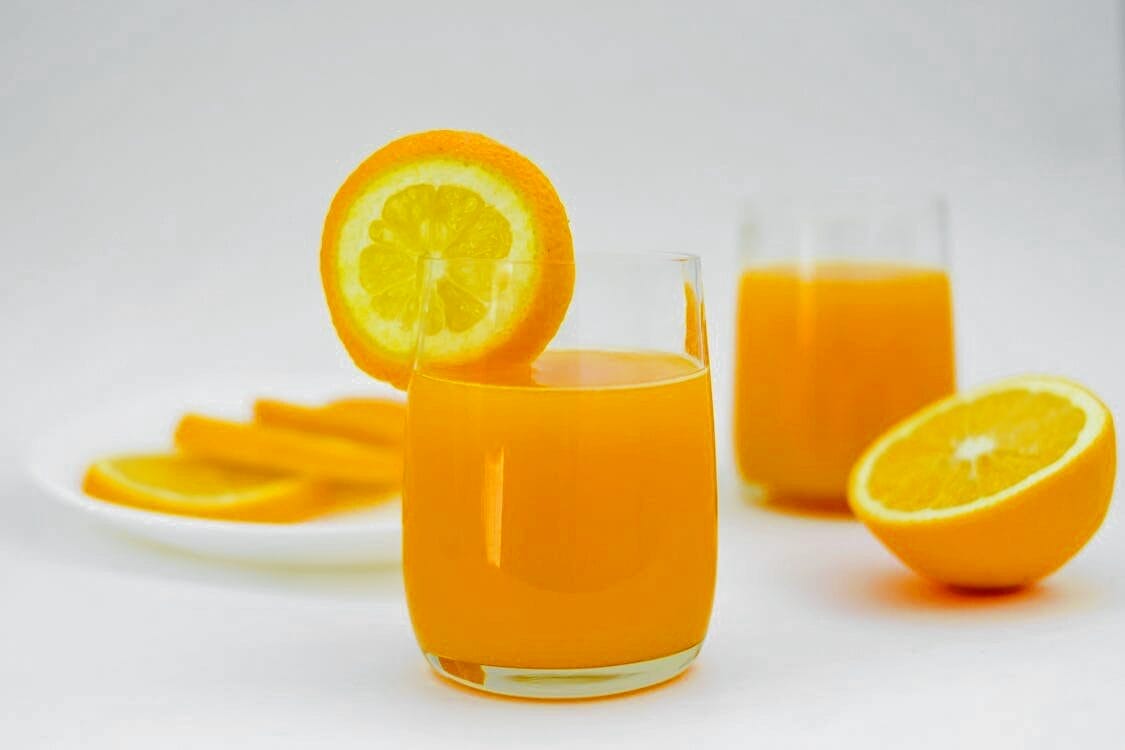
National Fresh Squeezed Juice Week celebrates one of the simplest and oldest ways humans have extracted nourishment from plants. Long before blenders, juicers or packaged beverages existed, people crushed fruits by hand to access their liquid and nutrients. Archaeological evidence suggests that early civilizations in Mesopotamia, Egypt and the Indus Valley pressed fruits like grapes, pomegranates and dates for both hydration and sustenance. Juice provided a concentrated source of sugars, vitamins and minerals at times when fresh fruit was seasonal or scarce.
In ancient Egypt, wall paintings depict grape pressing for juice and wine. Greek physicians such as Hippocrates recommended fruit juices for digestion and recovery from illness. In traditional Chinese medicine and Ayurveda, freshly extracted plant liquids were used to balance the body and support healing. These early practices recognized something modern science later confirmed: liquid nutrients are absorbed quickly and can support hydration, energy and overall wellness.
Fresh squeezed juice differs fundamentally from modern bottled juices. Historically, juice was consumed shortly after extraction, when vitamins and enzymes were most intact. Exposure to air, heat and light degrades nutrients, especially vitamin C. Without refrigeration or preservatives, fresh juice was a short lived but powerful food. National Fresh Squeezed Juice Week brings attention back to this original form, emphasizing immediacy, freshness and simplicity.
The rise of industrial food systems in the twentieth century changed how juice was consumed. Pasteurization, concentration and long shelf life packaging made juice convenient and widely available, but often at the cost of flavor and nutritional integrity. Fresh squeezed juice stands in contrast as a reminder that food can be both functional and sensory. The aroma of citrus zest, the pulp suspended in liquid and the brightness of freshly pressed produce reconnect people to food in its most direct form.
This week encourages reflection on how something as basic as squeezing a fruit connects modern kitchens to ancient practices. It highlights juice not as a trend but as a continuation of humanity’s long relationship with plants as medicine, fuel and pleasure.
Fresh squeezed juice is as much about flavor as it is about nutrition. Each fruit and vegetable offers a distinct profile shaped by soil, climate and ripeness. Citrus fruits like oranges, grapefruits and lemons deliver acidity and brightness. Apples and pears contribute sweetness and body. Berries add depth and color, while vegetables like carrots, beets and celery introduce earthiness and balance.
National Fresh Squeezed Juice Week encourages exploration beyond familiar combinations. Mixing fruits and vegetables allows flavors to complement one another while moderating sugar content. A splash of lemon can sharpen sweetness. Ginger adds heat and complexity. Fresh herbs such as mint or basil introduce aromatic lift. These combinations transform juice from a simple drink into a crafted experience.
Texture also plays a role. Hand squeezed citrus yields a pulpy, rustic drink. Cold pressed juices retain fiber and sediment that add body. Straining creates clarity and smoothness. Each method changes how juice feels on the palate. Choosing a method becomes part of the craft, similar to selecting grind size in coffee or fermentation time in bread.
Seasonality matters. Fresh squeezed juice reflects the moment. Summer berries produce vibrant juices. Autumn apples create crisp blends. Winter citrus offers brightness during darker months. Drinking juice in season supports local agriculture and often delivers better flavor and nutrient density. National Fresh Squeezed Juice Week is an opportunity to align taste with the calendar.
Presentation enhances enjoyment. Juice served in clear glasses showcases color and freshness. Ice can dull flavor, while chilling fruits beforehand preserves intensity. Even simple choices such as slicing fruit tableside or using a hand press rather than a machine create a sense of intention. These details turn juicing into a ritual rather than a task.
Across cultures, fresh juice appears in daily life. Street vendors in Mexico press oranges to order. Mediterranean breakfasts include fresh citrus. In South Asia, sugarcane juice is crushed and served immediately. These traditions emphasize freshness, hospitality and shared experience. National Fresh Squeezed Juice Week honors this global language of flavor.
Fresh squeezed juice is often associated with health, but National Fresh Squeezed Juice Week encourages a balanced understanding rather than extremes. Juice delivers vitamins, antioxidants and hydration in an easily absorbed form. Vitamin C, potassium and phytonutrients support immune function and cellular health. For people with limited appetite or difficulty digesting whole foods, juice can be a valuable supplement.
At the same time, juice lacks the full fiber structure of whole fruits and vegetables. Fiber slows sugar absorption and supports gut health. This does not diminish juice’s value, but it underscores the importance of moderation and variety. Fresh squeezed juice works best as part of a broader diet that includes whole produce, proteins and healthy fats.
National Fresh Squeezed Juice Week promotes mindful preparation and consumption. Using a mix of fruits and vegetables can reduce sugar spikes. Drinking juice alongside meals rather than alone can moderate blood sugar response. Paying attention to portion size allows enjoyment without excess. These practices align tradition with modern nutritional insight.
The week also invites consideration of sourcing and waste. Fresh juicing produces peels and pulp that can be composted, baked into goods or added to stocks. Choosing organic or responsibly grown produce reduces exposure to pesticides. Supporting local growers strengthens food systems and ensures fresher ingredients.
Celebrating National Fresh Squeezed Juice Week does not require specialized equipment or strict rules. It can be as simple as squeezing an orange by hand in the morning or sharing a pitcher of fresh juice with family. The act itself encourages slowing down and engaging with food intentionally.
Ultimately, fresh squeezed juice represents immediacy. It is food at its most direct, with minimal distance between source and glass. This week invites people to taste freshness, appreciate simplicity and reconnect with the natural flavors that have sustained humans for generations.