National Rhubarb Pie Day
January 23, 2028

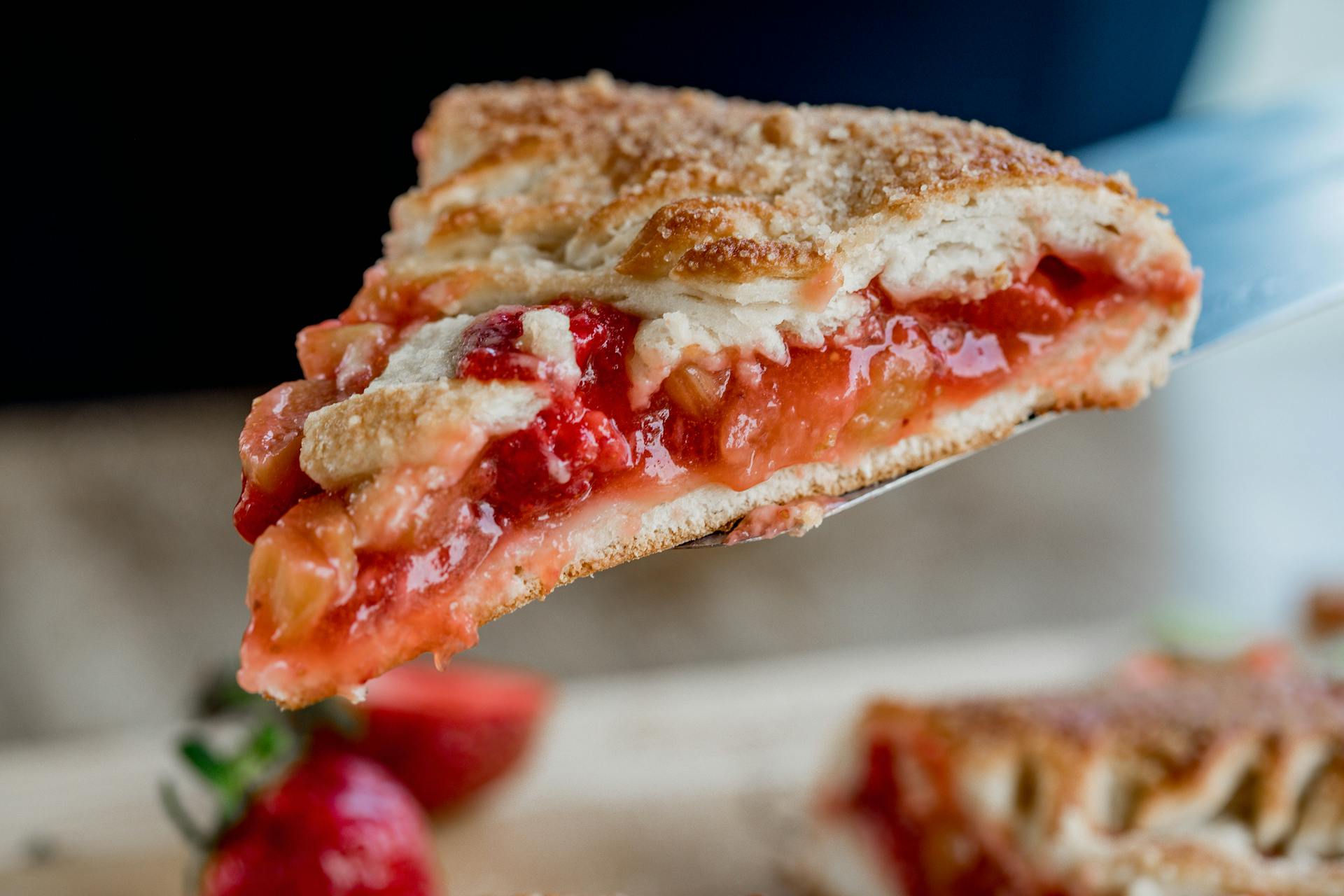
National Rhubarb Pie Day celebrates a dessert built around one of the most unusual plants in the kitchen. Rhubarb looks like celery, behaves like a vegetable and is treated like fruit in baking. Its story begins not in dessert, but in medicine. Rhubarb originated in Asia, particularly in regions of China, Mongolia and Siberia, where it was prized for its medicinal roots more than 2,000 years ago. Early Chinese texts describe dried rhubarb root as a powerful digestive remedy that was traded along the Silk Road. For centuries, the plant was so valuable that it was worth more than cinnamon or saffron.
When rhubarb eventually reached Europe in the 16th and 17th centuries, it arrived first as a pharmaceutical import. Only later did cooks begin experimenting with the edible stalks. Sugar was expensive at the time, so pairing rhubarb’s intense tartness with sweetness was initially a luxury. By the 18th century, as sugar became more accessible, British and Northern European kitchens began baking rhubarb into tarts, puddings and pies. The plant thrived in cool climates, making it well suited to England, Scandinavia and later the northeastern United States.
Rhubarb crossed the Atlantic with European settlers and quickly took root in American gardens. It was hardy, reliable and one of the first plants to emerge in early spring, long before most fruits were available. This timing made rhubarb especially valuable. After long winters of preserved food, fresh rhubarb offered brightness and acidity when people craved something new. Rhubarb pie became a seasonal marker, signaling the transition from winter cooking to spring baking.
Although rhubarb leaves are toxic due to high levels of oxalic acid, the stalks are safe and prized for their sharp flavor. Early cooks learned to trim and prepare rhubarb carefully, pairing it with sugar, honey or later strawberries to soften its bite. National Rhubarb Pie Day honors this evolution from medicinal root to beloved dessert and the way necessity shaped culinary creativity.
Rhubarb pie stands apart from other fruit pies because of its flavor structure. Unlike apples, peaches or berries, rhubarb brings almost no sweetness of its own. Its role is to provide acidity and structure, allowing sugar to do the balancing work. When baked, rhubarb breaks down into soft strands that hold their shape while releasing juice, creating a filling that is both silky and slightly textured.
The flavor of rhubarb is often described as bright, sharp and clean. It cuts through rich pastry in a way that heavier fruits cannot. This is why rhubarb pairs so well with butter-heavy crusts. The contrast keeps each bite from feeling heavy. A well-made rhubarb pie is not cloying. It is refreshing, even indulgent.
Color is another defining feature. Rhubarb stalks range from pale green to deep crimson, and the color affects the final appearance of the pie. Red varieties produce a rosy filling that feels celebratory, while green-stalked rhubarb yields a more muted tone but identical flavor. Many bakers choose varieties based on aesthetics as much as taste.
Texture requires careful handling. Rhubarb releases a lot of liquid as it cooks, which can lead to soggy crusts if not managed. Traditional recipes often include flour, cornstarch or tapioca to thicken the filling. Some cooks pre-cook the rhubarb slightly or macerate it with sugar to control moisture. These techniques reflect generations of trial and error passed down through family kitchens.
Rhubarb pie also carries cultural significance. In parts of the Midwest and Northeast, it is sometimes called “pie plant pie,” reflecting how common rhubarb once was in home gardens. It represents thrift, seasonality and an understanding of local growing cycles. Unlike exotic fruits, rhubarb rewards patience and familiarity. You learn how much sugar it needs, how long it takes to soften and when it is at its best.
National Rhubarb Pie Day highlights these quiet complexities. It celebrates a dessert that demands balance rather than excess and showcases how restraint can be just as satisfying as richness.
Celebrating National Rhubarb Pie Day begins with choosing good rhubarb. Fresh stalks should be firm, crisp and free from blemishes. Thinner stalks are often more tender, while thicker ones can be slightly more fibrous but still flavorful. If fresh rhubarb is not available, frozen rhubarb works well and preserves much of the plant’s acidity and texture.
A classic rhubarb pie filling typically includes chopped rhubarb, sugar, a thickener and sometimes a touch of citrus zest or vanilla. Some bakers prefer a straight rhubarb pie that lets the plant stand alone. Others opt for strawberry rhubarb pie, which adds sweetness, aroma and a softer fruit profile. Both approaches are valid and reflect different regional traditions.
The crust matters. A sturdy, well-chilled pastry dough helps support the juicy filling. Many bakers favor an all-butter crust for its flavor, while others use a blend of butter and shortening for added flakiness. Lattice tops are common, allowing steam to escape and showcasing the vibrant filling beneath. A solid top crust can work too, especially when vented properly.
Beyond baking, the day can be celebrated by learning about rhubarb cultivation. Rhubarb is a perennial, meaning a single plant can produce stalks for many years if harvested correctly. Supporting local farms that grow rhubarb helps preserve varieties that may not appear in large commercial supply chains.
Sharing is also part of the tradition. Rhubarb pies are rarely solitary desserts. They are baked for family tables, community gatherings and seasonal celebrations. Offering a slice to someone who claims not to like rhubarb often changes minds. The transformation from raw stalk to baked filling is dramatic and surprising.
National Rhubarb Pie Day is ultimately about appreciating timing. Rhubarb cannot be rushed. It arrives when the ground thaws and retreats as summer fruits take over. Baking with it encourages attention to seasons, patience in preparation and respect for ingredients that do not bend easily to convenience.
On this day, preheat the oven, roll out dough and let the sharp scent of rhubarb soften into something warm and inviting. With each slice, you taste a plant that traveled continents, shifted roles and found its place not through sweetness, but through balance. That quiet transformation is what makes rhubarb pie worth celebrating.
