National Mojito Day
July 11, 2028

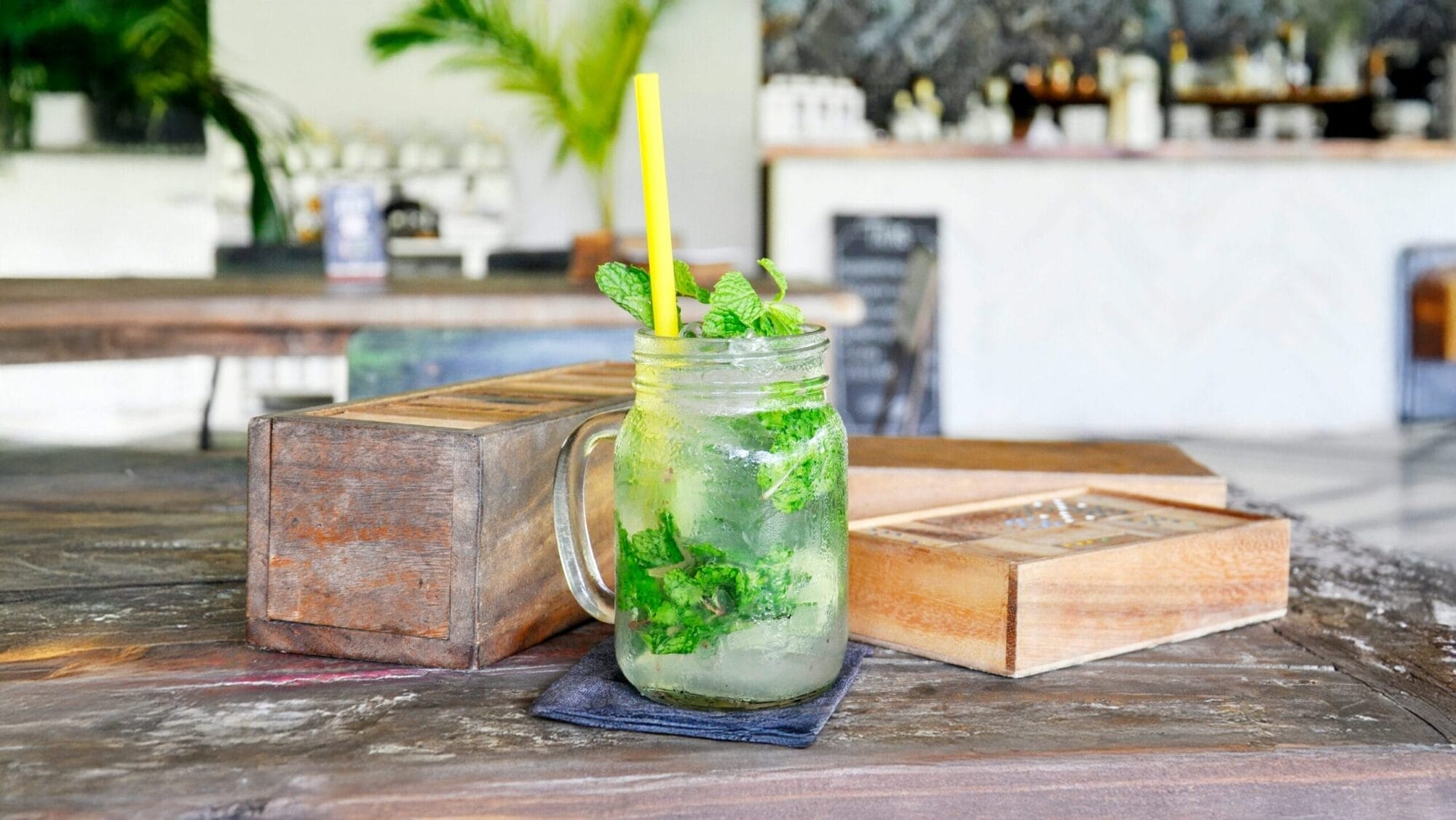
National Mojito Day celebrates a cocktail that is inseparable from Cuban history, tropical agriculture and the global story of rum. The mojito’s roots stretch back centuries, long before it became a staple on summer menus and beachside bars. Its earliest ancestor is often linked to a 16th century drink known as “El Draque,” named after the English privateer Sir Francis Drake. Sailors mixed aguardiente, a crude sugarcane spirit, with lime, mint and sugar to make harsh alcohol more palatable and to ward off illness. Lime provided vitamin C, mint soothed the stomach and sugar balanced acidity. What began as a medicinal mixture slowly evolved into a refined cocktail.
As rum production improved in Cuba, aguardiente was replaced with smoother distilled rum made from molasses. Havana’s climate and fertile soil made mint and sugarcane plentiful, while limes thrived year round. By the 19th century, the drink had taken on a form recognizable as the modern mojito: white rum, fresh lime juice, sugar, mint and soda water. It was refreshing, aromatic and well suited to the island’s heat.
The mojito gained international recognition in the early 20th century, particularly during the era when American travelers flocked to Cuba during Prohibition. Havana became a playground for musicians, writers and tourists seeking legal drinks. Ernest Hemingway famously favored mojitos at La Bodeguita del Medio, helping cement the cocktail’s reputation abroad. While many legends surround the drink, its enduring appeal lies not in celebrity but in balance. Each ingredient plays a precise role, creating a cocktail that is crisp, bright and restorative rather than heavy or sweet.
National Mojito Day honors this layered history. The drink reflects agricultural roots, colonial trade, cultural exchange and the transformation of humble ingredients into something timeless. It is a reminder that many classic cocktails were born out of necessity and refined through generations of shared knowledge.
The mojito’s longevity comes from restraint and harmony. Unlike cocktails built around syrups or heavy liqueurs, the mojito relies on freshness. Mint must be vibrant, not bruised into bitterness. Lime juice should be freshly squeezed. Sugar is traditionally granulated or dissolved into a light syrup, never overpowering. Soda water adds lift without diluting flavor. White rum provides structure while allowing the other elements to shine.
Technically, the mojito is simple, but execution matters. Proper muddling is key. Mint leaves are gently pressed to release essential oils, not crushed. Lime wedges are squeezed to extract juice and aroma, not shredded. This technique preserves clarity and prevents harsh vegetal notes. When done correctly, the result is layered rather than sharp.
The mojito is also adaptable. While the classic version remains the standard, variations have emerged across cultures. Some incorporate fruit like mango, pineapple or strawberry. Others replace sugar with honey or cane syrup. Herbal twists add basil or rosemary. Even nonalcoholic mojitos, often called mocktails, preserve the drink’s refreshing character without rum. Despite these variations, the core identity remains intact.
From a sensory standpoint, the mojito appeals broadly. It is aromatic without being perfumed. Tart without being sour. Sweet without being cloying. Light without feeling insubstantial. This balance makes it approachable for casual drinkers and respected by cocktail purists. It also pairs well with food, particularly grilled seafood, citrusy dishes and spicy cuisines.
Culturally, the mojito represents leisure without excess. It is associated with conversation, warmth and unhurried moments. National Mojito Day highlights how a well made drink can be as much about atmosphere as ingredients. The mojito is not meant to be rushed. It is meant to cool you down, slow you down and invite you to stay a little longer.
Celebrating National Mojito Day begins with respect for the basics. Start with quality ingredients. Choose a clean, well made white rum. Use fresh mint with intact leaves and bright color. Roll limes before cutting to release juice. Measure sugar rather than guessing, as balance is critical.
Prepare the drink intentionally. Place mint leaves and sugar in a glass and gently press until fragrant. Add lime juice, then rum. Fill the glass with ice and top with soda water. Stir lightly to combine. Garnish with a mint sprig and a lime wheel. The aroma should greet you before the first sip.
For gatherings, a mojito bar encourages participation. Set out bowls of mint, sliced citrus and optional fruits. Offer both alcoholic and nonalcoholic bases. This allows guests to customize while preserving the drink’s core identity. Keep soda chilled and add it last to maintain effervescence.
National Mojito Day is also an opportunity to learn. Reading about Cuban cocktail history or sugarcane cultivation adds context to the glass in your hand. Supporting bars or restaurants that honor traditional techniques helps preserve authenticity. Even making your own simple syrup from raw cane sugar connects you more closely to the drink’s origins.
Responsible enjoyment is part of the celebration. The mojito’s refreshing nature can disguise alcohol content, so pacing matters. Hydration and moderation ensure the day remains enjoyable for everyone. Nonalcoholic versions deserve equal respect and deliver the same sensory pleasure.
Ultimately, National Mojito Day is about appreciating simplicity done well. It celebrates fresh ingredients, thoughtful preparation and the joy of sharing something timeless. Whether enjoyed on a patio, at a dinner table or quietly at home, the mojito offers a moment of clarity and calm. Raise a glass not just to the drink, but to the centuries of people who refined it and the enduring idea that the best things are often the simplest.
