National Anisette Day
July 2, 2028

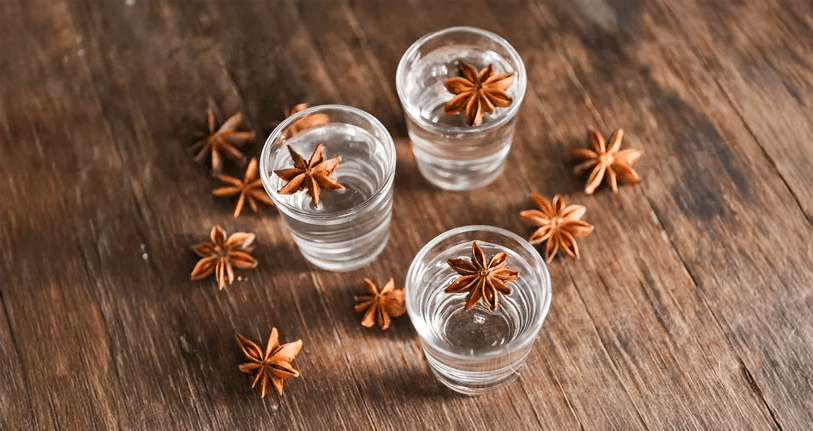
National Anisette Day celebrates a liqueur whose flavor has traveled across civilizations for thousands of years. Anisette is built around anise, a seed prized since antiquity for its sweet, licorice-like aroma and digestive properties. Ancient Egyptians used anise in medicinal remedies and ritual drinks. The Greeks and Romans followed, infusing wine with anise to aid digestion after heavy meals. Roman naturalist Pliny the Elder wrote about anise as both a culinary spice and a therapeutic ingredient, noting its calming effect on the stomach.
As trade routes expanded through the Mediterranean, anise became a staple ingredient in regional spirits. Monastic communities in medieval Europe preserved distillation knowledge, producing herbal liqueurs from seeds, roots and flowers. By the Renaissance, anise-flavored spirits were common in Italy, France and Spain. Anisette as we recognize it today emerged in France during the 19th century, when refined sugar became more accessible and distillation techniques improved. Unlike drier anise spirits, anisette was sweetened, filtered and bottled as a clear, approachable liqueur.
French producers refined anisette into a lighter alternative to absinthe, which was banned in the early 20th century. Without wormwood, anisette delivered the familiar licorice aroma without controversy. Brands such as Marie Brizard helped popularize anisette globally, exporting bottles to the Caribbean, South America and North Africa. In Spain and Italy, similar liqueurs developed alongside anisette, including sambuca and anís del mono, each shaped by local traditions and sugar preferences.
National Anisette Day honors this long lineage. What began as a medicinal infusion became a social drink served after meals, at celebrations and during holidays. The liqueur reflects centuries of agricultural cultivation, trade and refinement. Its clarity and sweetness mask a complex history rooted in herbs, healing and hospitality.
Anisette is defined by balance. Its sweetness is forward but not cloying when well made. The anise flavor is aromatic rather than aggressive, releasing notes of fennel, warm spice and soft licorice. Traditionally clear and colorless, anisette becomes cloudy when diluted with water due to the louche effect, where essential oils come out of suspension. This transformation is not a flaw but a hallmark of quality anise spirits.
Culturally, anisette has been associated with ritual moments of pause. In France and parts of the Mediterranean, it is served after meals to aid digestion. In Spain, anís is often poured during holidays and family gatherings. In Italy, anisette appears at weddings and religious celebrations, sometimes baked into cookies or pastries. Caribbean communities adopted anisette through colonial trade, incorporating it into festive drinks and desserts.
Anisette also occupies a place in baking and confectionery. It flavors biscotti, sponge cakes and sugar cookies. A splash added to fruit compotes or custards enhances sweetness with herbal depth. Because the liqueur is sugar-based rather than cream-based, it integrates smoothly into both warm and cold preparations.
The drink’s endurance comes from its versatility. It can be sipped neat, diluted with cold water, poured over ice or used sparingly in cocktails. Unlike more assertive spirits, anisette invites slow enjoyment. Its aroma unfolds gradually, encouraging mindful sipping rather than quick consumption.
National Anisette Day highlights how flavors carry memory. For many, the scent of anise recalls grandparents, holiday tables or old cafes. The liqueur often appears in inherited recipes and traditions passed down quietly through generations. It is not flashy or trendy, but it is enduring. That quiet persistence is part of its charm.
Celebrating National Anisette Day begins with understanding the spirit. Choose a quality anisette made with natural anise rather than artificial flavoring. When tasting for the first time, try it neat in a small glass to experience its full aroma. Then add a few drops of cold water and observe how the liquid clouds and the flavor softens. This simple ritual connects you to centuries of tradition.
Anisette pairs well with food. Serve it after a meal alongside biscotti, almond cookies or citrus desserts. Its sweetness complements bitter flavors like dark chocolate and espresso. In warm weather, anisette can be poured over ice with a splash of water for a refreshing finish. In colder months, a small amount added to tea or coffee provides subtle warmth.
Home cooks can incorporate anisette into baking. Replace vanilla extract with a small amount of anisette in sugar cookies or pound cake. Brush it onto sponge cakes before frosting to add moisture and aroma. It also works well in fruit-based desserts, especially those featuring oranges, figs or pears.
For gatherings, anisette offers an opportunity to introduce guests to a lesser-known liqueur. Serve it alongside other traditional digestifs and share its history. Providing context enhances appreciation and encourages slower, more intentional enjoyment.
National Anisette Day is also a moment to reflect on the role of herbs in culinary history. Long before modern medicine, plants like anise bridged food and healing. Honoring anisette means recognizing that many of today’s comforts grew out of practical knowledge and shared experience.
Responsible enjoyment is part of the celebration. Anisette’s sweetness can disguise its strength, so moderation matters. Nonalcoholic alternatives like anise tea or anise-flavored syrups allow everyone to participate in the sensory experience.
Ultimately, National Anisette Day celebrates continuity. It honors a flavor that has survived changing tastes, regulations and borders. Pour a small glass, inhale the aroma and let it linger. In that moment, you are connected to ancient kitchens, monastery stills and family tables across centuries. Few drinks offer such a quiet yet profound sense of history.
