National Sangria Day
December 20, 2030

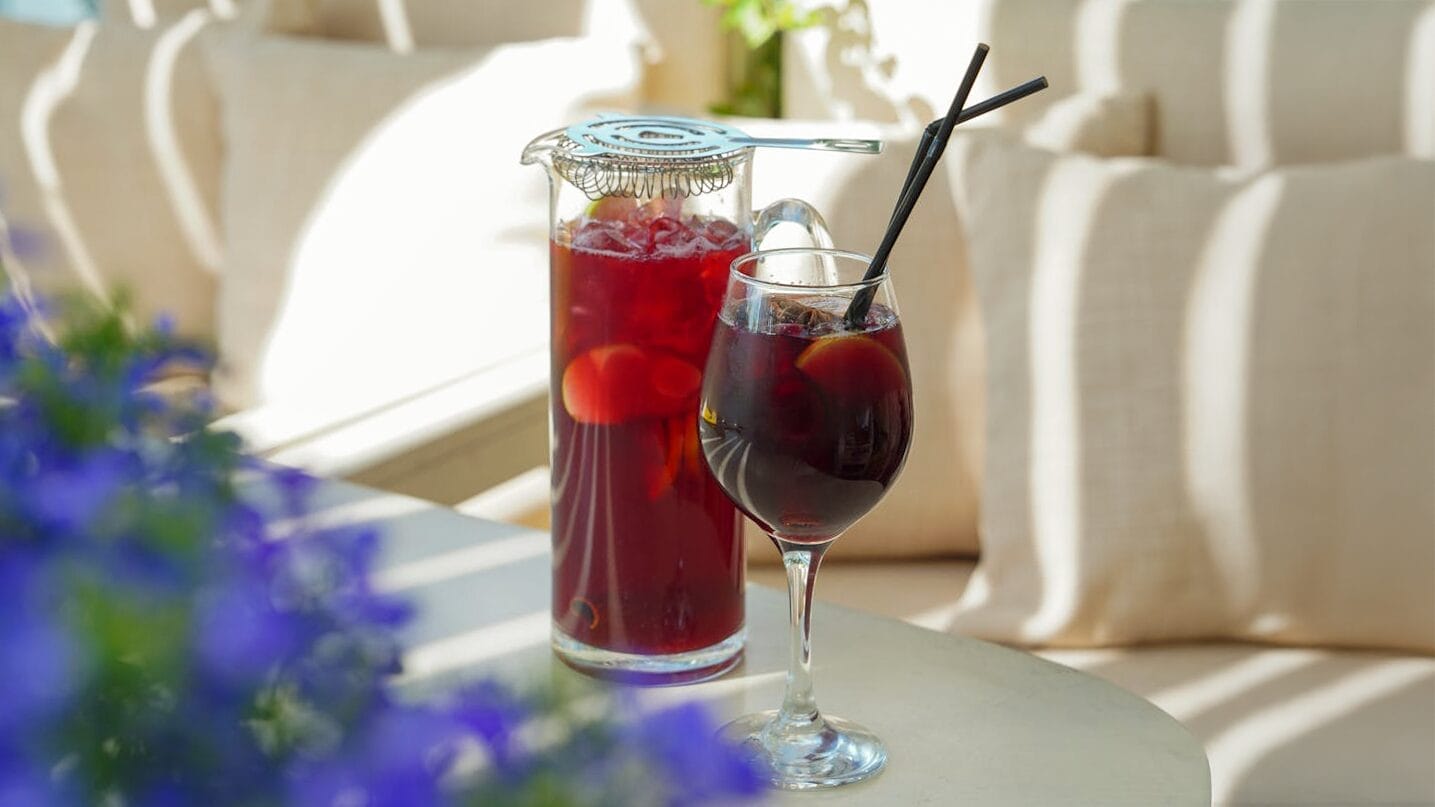
Sangria may now conjure images of sunlit patios, tapas spreads, and jewel-toned pitchers brimming with fruit, but its origins are far more utilitarian. Before it became a festive staple, sangria was simply a practical way to make rough wine safer and more pleasant to drink. In ancient Iberia, Roman soldiers trekking across what is now Spain and Portugal diluted red wine with river water and added herbs and citrus to mask off-flavors and kill bacteria. The resulting beverage resembled a rustic punch rather than the polished sangria we know today, but it planted the seed for a long tradition of fortifying wine with fruit, spices, and whatever was readily available. Centuries later, farmers along the Duero and Ebro rivers still drank diluted wine called sangaree — derived from sangre, meaning “blood” — a nod to the deep crimson hue staining clay jugs and calloused hands.
As Spain’s trade routes expanded, so did the repertoire of sangria ingredients. Citrus from Valencia, cinnamon from Ceylon, and brandy distilled from surplus wine all found their way into regional recipes. By the 18th century, variations reached England and the Caribbean, where port or Madeira sometimes replaced Spanish table wine. Yet sangria remained largely regional until 1964, when Spain showcased the drink at the New York World’s Fair. Visitors lined up at the Spanish Pavilion to sample chilled carafes filled with wine, orange and lemon slices, and a whisper of sweetness. For Americans accustomed to martinis and whiskey sours, this fruity punch was a revelation. Soon after, “Spanish sangria” appeared in American cookbooks, and restaurants across the country served pitchers alongside paella, grilled seafood, and flamenco performances. Sangria became synonymous with Mediterranean warmth, hospitality, and the simple joy of communal dining.
Part of sangria’s enduring charm is its adaptability. Traditional red sangria favors young, fruity wines such as Tempranillo or Garnacha. Sliced oranges, lemons, and apples mingle in the wine, which is gently sweetened with sugar or honey and enriched with a splash of brandy or orange liqueur. After several hours of maceration, the fruit softens, its juices infusing the wine with brightness. Just before serving, some hosts add sparkling water for a refreshing fizz.
White sangria, popular in Catalonia, uses crisp wines like Albariño or Verdejo and incorporates peaches, berries, or nectarines. Seasonal variations abound: pears and cinnamon in autumn; strawberries, mint, and stone fruits in summer. More than a strict recipe, sangria is an attitude — a playful approach to using local fruit and celebrating the rhythms of the year.
National Sangria Day falls on December 20, a surprisingly perfect time for a drink associated with summer. When daylight is scarce, a pitcher of sangria can feel like liquid sunshine — citrus releasing sunny aromas, deep red wine glowing like embers in a fireplace. Preparing it becomes meditative: slicing oranges, hearing the glug of wine, watching fruit bob in the pitcher. By the time it’s ready, each glass holds a tiny mosaic of color and flavor.
On this day, the rules are simple: pick a wine you enjoy, use ripe fruit, and share generously. Let the aromas transport you to a plaza in Seville or a vineyard in La Rioja. Above all, raise a glass to good company, good stories, and the enduring pleasure of a drink meant to be enjoyed together.