National Martini Day
June 19, 2027

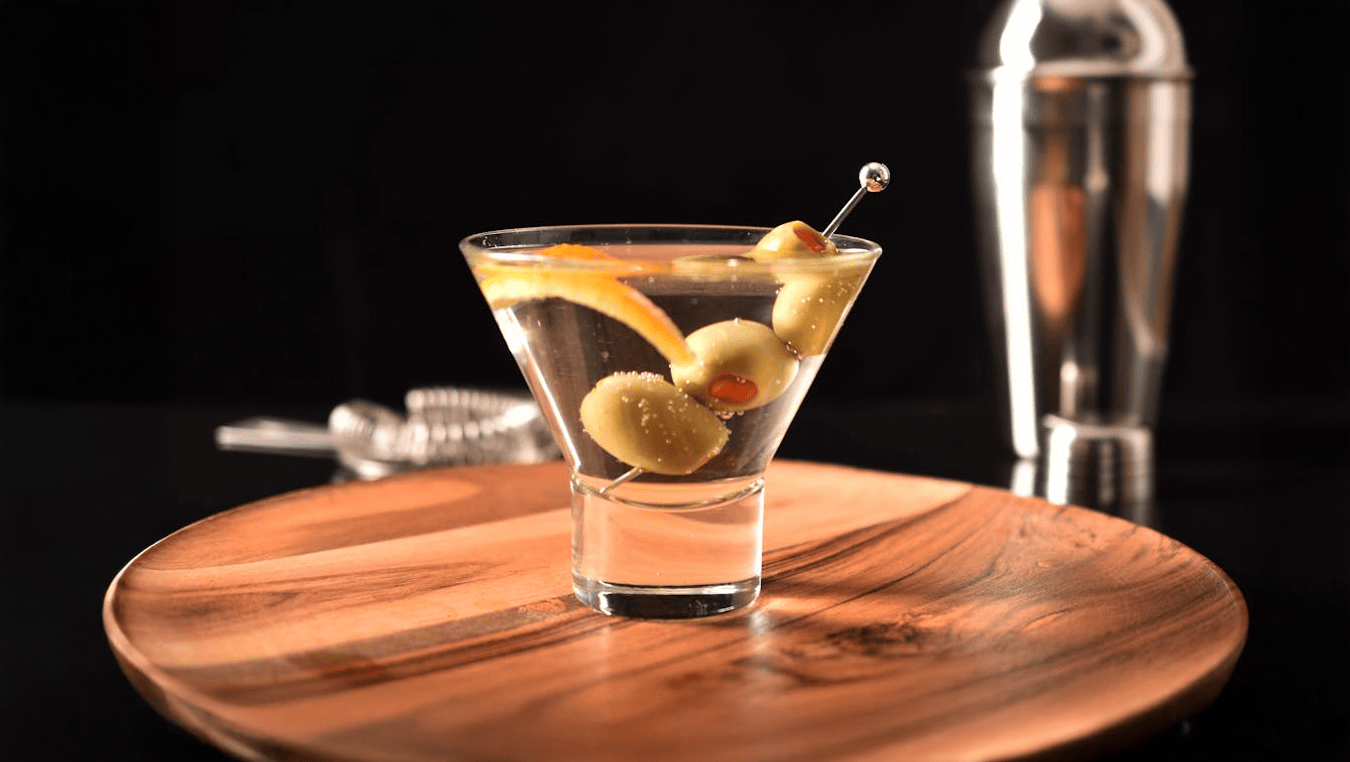
National Martini Day celebrates one of the most iconic and debated cocktails in history. The martini’s exact origin is famously unclear, with several competing stories emerging in the late 19th century. One popular theory traces the drink to the town of Martinez, California, where a bartender reportedly mixed gin, vermouth and bitters for a gold miner celebrating a successful claim. Another places its birth in San Francisco, while a third credits New York bartenders who refined earlier gin cocktails into something leaner and more elegant.
What is clear is that the martini emerged during a period when cocktails were becoming more structured and standardized. In the late 1800s, American bars moved away from heavily sweetened punches toward spirit forward drinks that highlighted quality ingredients. Early martini recipes often resembled what we would now call a Martinez or a Manhattan variation, featuring sweet vermouth and sometimes maraschino liqueur. Over time, tastes shifted toward drier profiles, and dry vermouth replaced sweet vermouth as the preferred partner for gin.
By the early 20th century, the martini had established itself as a symbol of sophistication. It appeared in cocktail manuals, hotel bars and private clubs, often associated with urban refinement and modern living. National Martini Day honors not just a recipe, but the evolution of drinking culture itself, marking the moment when cocktails became expressions of style, restraint and personal preference.
The martini is defined as much by argument as by ingredients. The classic version consists of gin and dry vermouth, stirred with ice and garnished with either an olive or a lemon twist. Yet the ratio between gin and vermouth has been contested for more than a century. Early martinis often used equal parts of each. By the mid 20th century, vermouth was reduced to a whisper, sometimes humorously described as merely rinsing the glass or allowing the bottle to watch from across the room.
Vodka entered the martini conversation in the post World War II era, driven by changing tastes and aggressive marketing. Vodka martinis became widely accepted, though purists still argue that gin is essential to the drink’s character. Additional variations followed. The dirty martini adds olive brine for salinity. The Gibson substitutes cocktail onions for olives. The vesper combines gin, vodka and aromatized wine, made famous by literature and film. Each version reflects a different palate and philosophy.
Beyond the glass, the martini has left a deep mark on popular culture. It became shorthand for elegance and confidence, appearing in films, novels and advertising. It symbolized both restraint and indulgence, often associated with power, wit and urban identity. At the same time, its simplicity made it approachable. With only a few ingredients, small changes have dramatic effects, turning the martini into a personal statement. National Martini Day recognizes this balance between tradition and individual expression.
Celebrating National Martini Day begins with understanding what you enjoy. Whether you prefer gin or vodka, dry or slightly aromatic, the martini rewards attention to detail. Use quality spirits, fresh vermouth and plenty of cold, clean ice. Stirring rather than shaking preserves clarity and texture, while proper dilution softens the alcohol and brings balance. A chilled glass is essential, as temperature plays a critical role in the drinking experience.
This day is also an opportunity to experiment thoughtfully. Try adjusting ratios to see how vermouth influences aroma and flavor. Compare a lemon twist with an olive and note how each changes the drink. Explore different styles of gin, from juniper forward London dry to softer botanical expressions. If vodka is your preference, sample brands with different filtration methods and mouthfeel. Small variations reveal why the martini has endured for generations.
National Martini Day can be social or contemplative. Share martinis with friends and discuss preferences, or enjoy one slowly as a ritual of pause and intention. Learn about the history of cocktail culture or revisit classic recipes from early bartending manuals. Above all, drink responsibly and with appreciation. The martini is not about excess. It is about clarity, balance and confidence. Raising a glass on National Martini Day is a way to honor a drink that has become a lasting symbol of taste, debate and timeless simplicity.