National Dress Up Your Pet Day
January 14, 2030

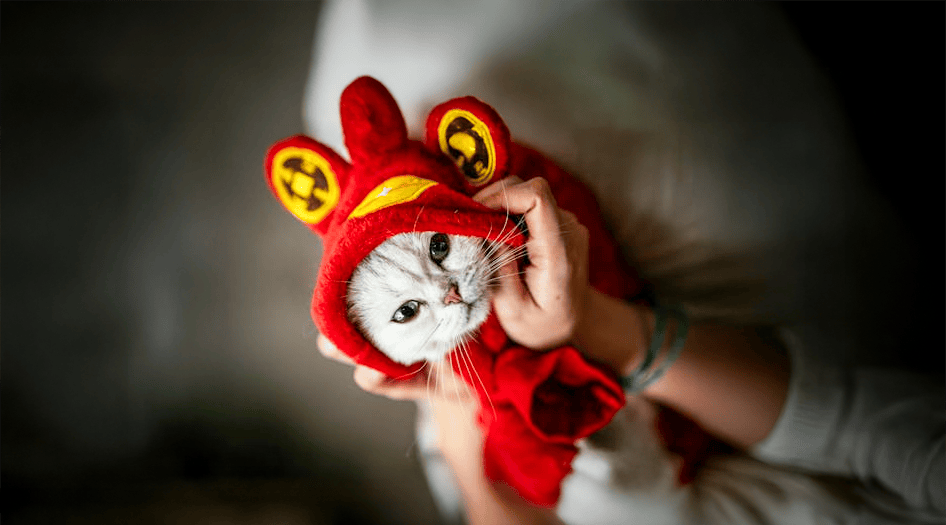
National Dress Up Your Pet Day is observed annually on January 14 and emerged as a lighthearted modern observance reflecting changing relationships between people and their pets. Unlike traditional holidays rooted in religion, labor, or political history, this day developed informally through popular culture and media rather than through a single founding organization or formal proclamation.
The practice of dressing animals is not entirely new. Historical records show working animals adorned for ceremonial purposes, parades, or religious events across many cultures. Horses, dogs, and livestock were sometimes decorated to signify status, celebration, or protection. However, these practices were symbolic and situational, not expressions of everyday companionship.
National Dress Up Your Pet Day reflects a distinctly modern shift. During the late twentieth and early twenty-first centuries, pets increasingly moved from functional roles into emotional ones. Companion animals became integrated into family identity, holiday traditions, and social rituals. The growth of the pet apparel industry paralleled this transition, offering clothing not only for warmth or protection but also for expression.
The holiday developed within this context as a playful acknowledgment of how pets occupy social space. It does not originate from historical necessity but from cultural behavior, recognizing how animals have become participants in human celebration rather than observers of it.
National Dress Up Your Pet Day reveals much about contemporary culture. Dressing pets often functions as a form of storytelling, humor, or shared identity. Costumes may reference pop culture, professions, or seasonal themes, allowing owners to express creativity and social belonging through their animals.
At the same time, the holiday raises questions about boundaries and consent. Unlike human participants, animals cannot choose how they are presented. Ethical considerations arise when costumes restrict movement, cause stress, or prioritize appearance over comfort. National Dress Up Your Pet Day indirectly invites discussion about balancing enjoyment with responsibility.
The observance also reflects broader economic and social trends. The global pet industry has expanded rapidly, driven by demand for premium products and personalized experiences. Pet fashion occupies a niche within this economy, illustrating how consumer culture intersects with emotional attachment.
Culturally, the holiday underscores the symbolic role pets play in human lives. They function as companions, extensions of family identity, and social connectors. Dressing pets becomes less about novelty and more about participation in shared cultural language.
National Dress Up Your Pet Day remains relevant because it mirrors how society negotiates affection, expression, and responsibility toward animals. While the day is playful, it highlights the need for mindful interaction. Comfort, safety, and animal well-being remain central to ethical participation.
The holiday can serve as a reminder to observe pets closely and respect their tolerance levels. Some animals enjoy attention and novelty, while others experience stress. Recognizing these differences reinforces responsible ownership rather than performative affection.
More broadly, the observance reflects how modern holidays often function as social mirrors rather than historical commemorations. National Dress Up Your Pet Day matters not because of tradition, but because it captures a moment in cultural evolution where animals are woven deeply into personal identity, celebration, and everyday life.
Its continued relevance lies in its ability to spark joy while quietly reinforcing the principle that care must always outweigh spectacle.
