Squirrel Appreciation Day
January 21, 2026

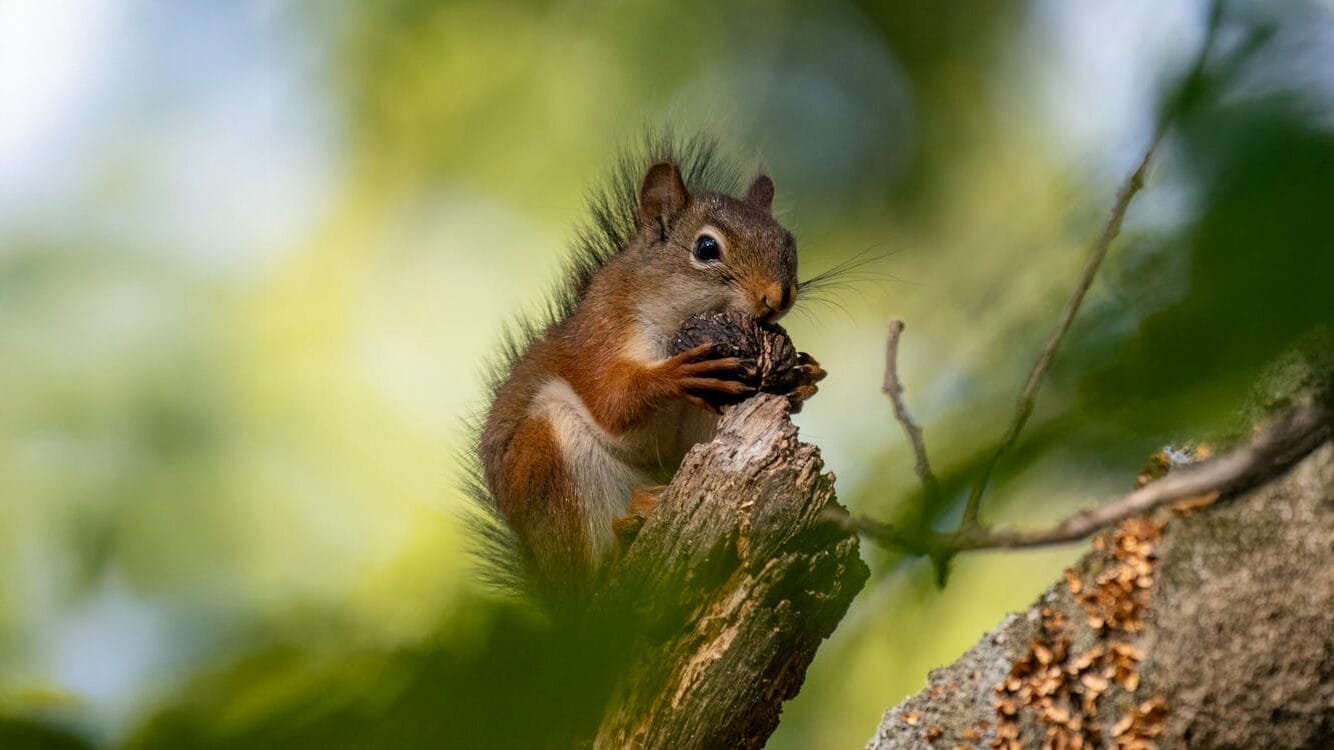
Squirrel Appreciation Day is observed annually on January 21 and was founded in 2001 by wildlife rehabilitator Christy Hargrove. The holiday was created to counter negative perceptions of squirrels and to promote awareness of their ecological importance.
Squirrels have long lived in close proximity to human settlements, particularly in urban and suburban environments. Their adaptability has made them highly visible, but also frequently misunderstood. They are often labeled as pests due to behaviors such as digging, nesting, or foraging near homes.
Hargrove’s intention was to shift public perception from irritation to understanding. By designating a specific day for appreciation, the observance reframed squirrels as wildlife neighbors rather than nuisances.
The holiday’s modern origin reflects a growing interest in urban ecology and coexistence with non-domesticated animals.
Squirrels play a vital ecological role, particularly in forest regeneration. Their habit of burying nuts and seeds contributes directly to tree growth and biodiversity. Many of these caches are forgotten, allowing new plants to take root.
Culturally, squirrels occupy a familiar but often underestimated position. They appear in folklore, children’s stories, and seasonal imagery, typically portrayed as industrious or mischievous. These portrayals, while endearing, can obscure their ecological function.
Squirrel Appreciation Day encourages a more informed perspective, emphasizing that squirrels are not intruders but participants in shared ecosystems. Their success in human-altered landscapes reflects adaptability rather than excess.
By highlighting ecological contribution, the holiday aligns appreciation with scientific understanding.
Squirrel Appreciation Day remains relevant as urbanization continues to expand. As human development encroaches on natural habitats, interactions with wildlife become more frequent and more complex.
The observance encourages tolerance and coexistence rather than control. Understanding squirrel behavior helps reduce conflict and promotes humane responses to shared space.
At a broader level, the holiday reflects shifting attitudes toward everyday wildlife. It suggests that conservation is not limited to rare or distant species, but includes the animals people encounter regularly.
Squirrel Appreciation Day matters because it fosters awareness that ecological value often exists in plain sight, inviting respect for the small but essential roles animals play in sustaining shared environments.
