International Hoof Care Week
January 21, 2031

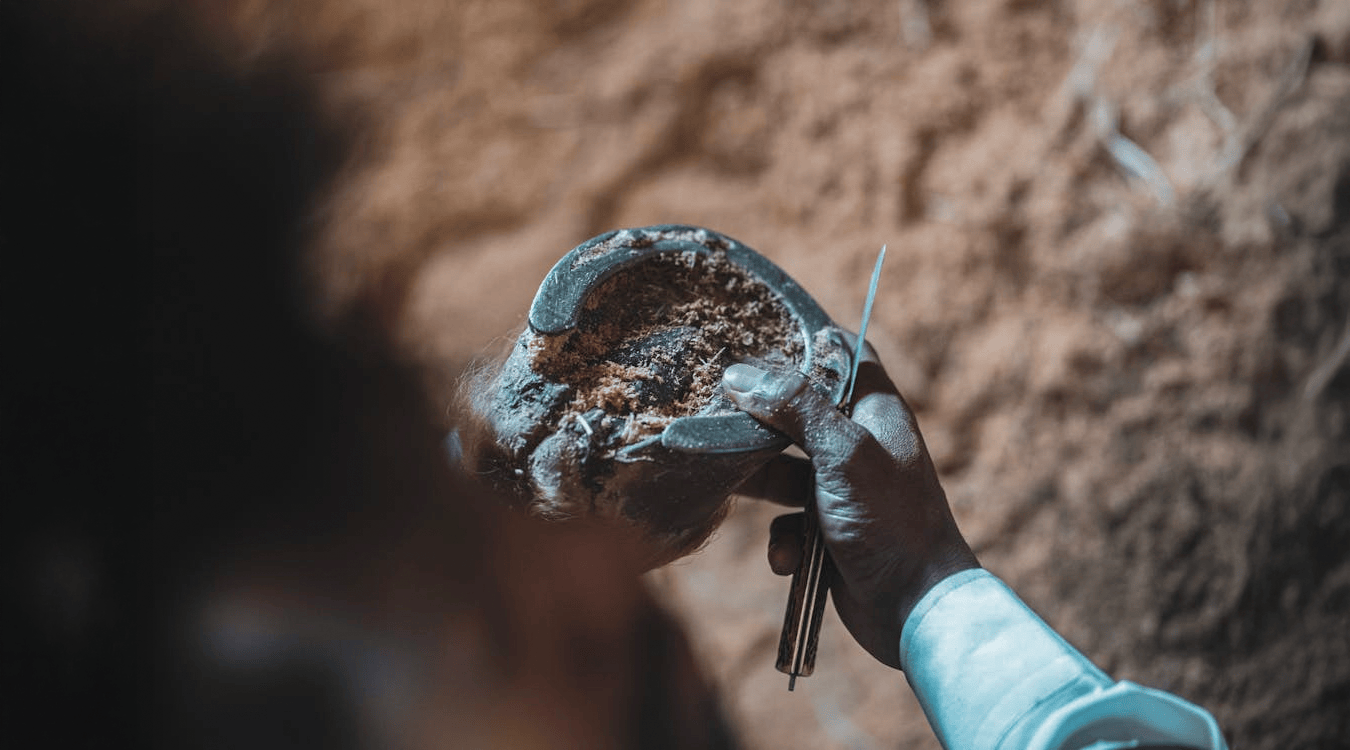
International Hoof Care Week is observed annually during the second week of January and focuses on the health and maintenance of hooves in domesticated animals, particularly horses, cattle, sheep, and goats. The observance emerged from agricultural and veterinary communities seeking to raise awareness about a critical but often overlooked aspect of animal health.
Hoof care has been essential since humans first domesticated hoofed animals. Early pastoral societies depended on healthy animals for transport, labor, food, and trade. Lameness caused by poor hoof condition could mean loss of productivity or survival. Archaeological evidence suggests that early farriers and herders developed rudimentary trimming and treatment techniques thousands of years ago.
As agriculture industrialized, hoof health became even more significant. Large herds, confined environments, and artificial surfaces introduced new risks for injury and disease. Veterinary science expanded during the nineteenth and twentieth centuries, formalizing hoof care practices and identifying links between hoof health, nutrition, housing, and overall welfare.
International Hoof Care Week developed as a modern educational observance, uniting veterinarians, farriers, farmers, and animal welfare professionals around prevention rather than treatment.
Healthy hooves are fundamental to animal welfare. Pain or infection in the hoof affects mobility, feeding behavior, social interaction, and longevity. In livestock, hoof disorders can significantly reduce productivity and increase the need for medical intervention.
International Hoof Care Week highlights the interconnected nature of animal health. Hoof condition is influenced by diet, environment, genetics, and management practices. Addressing hoof health therefore requires holistic attention rather than isolated treatment.
The observance also emphasizes ethical responsibility within agriculture. Animals raised for work or food rely entirely on human stewardship. Preventive hoof care reduces suffering and aligns economic sustainability with humane treatment.
Beyond agriculture, the week raises awareness among recreational animal owners, reminding them that hoof care is not optional maintenance but essential health care.
International Hoof Care Week remains relevant as farming systems evolve and animal use diversifies. Changes in climate, housing design, and breeding practices continue to influence hoof health challenges. Preventive education helps mitigate emerging risks.
The observance encourages collaboration between science and practice. Advances in nutrition, diagnostics, and trimming techniques improve outcomes only when applied consistently and correctly. Hoof Care Week provides a recurring moment for knowledge sharing and reassessment.
At a broader level, the holiday reinforces the principle that animal welfare is inseparable from human responsibility. Healthy hooves support not only productivity but dignity and quality of life.
International Hoof Care Week matters because it elevates routine care into ethical awareness, reminding society that humane treatment often begins with attention to the smallest, most foundational details.
