London Charles’s Birthday
January 2, 2026

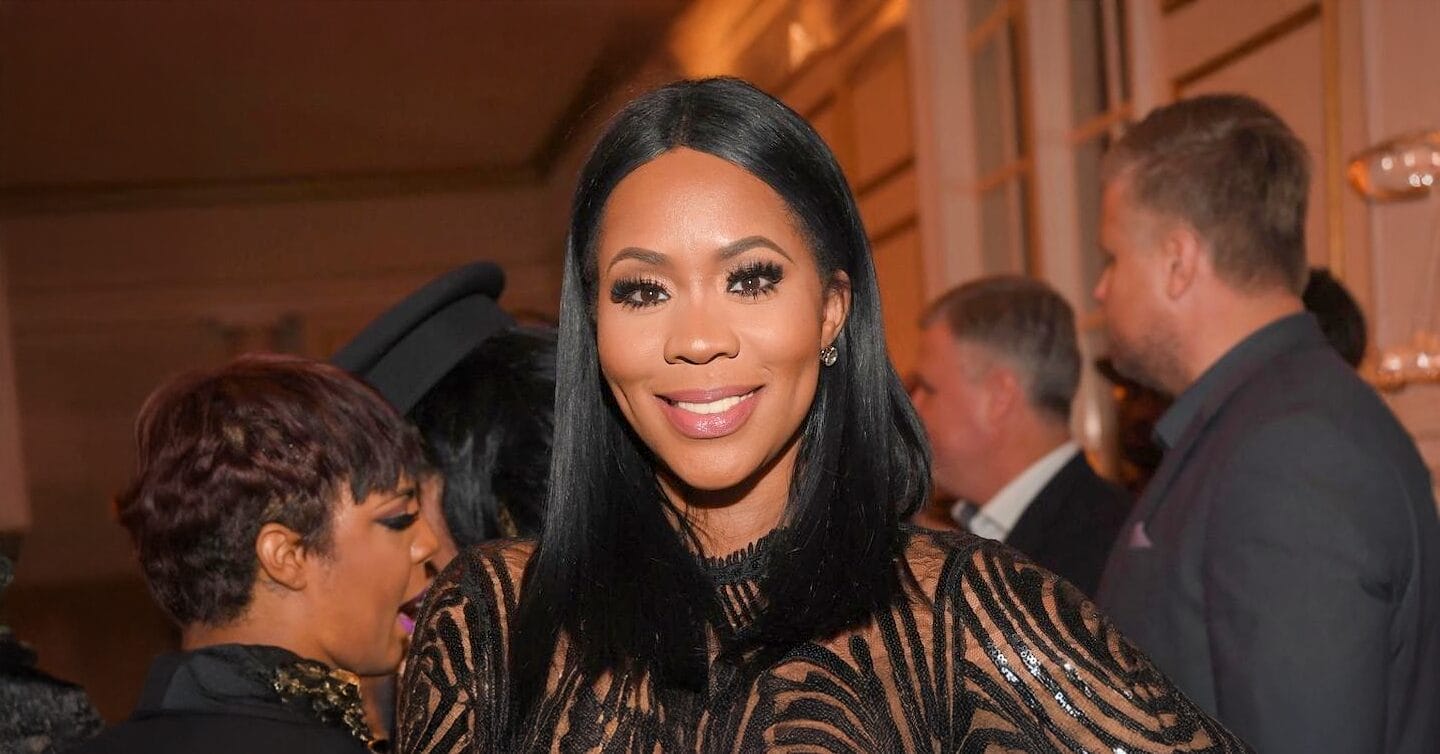
Chandra London Davis is an American reality television personality, model, and music artist best known to mainstream audiences as the winner of VH1’s dating competition series Flavor of Love Season 2. She became widely recognized under the nickname “Deelishis,” a persona that blended humor, confidence, and highly produced reality-TV storytelling at a time when VH1’s celebreality era shaped pop culture conversation and introduced a new kind of celebrity built less on traditional entertainment pipelines and more on mass visibility.
Her public identity is closely tied to early 2000s reality television, but her career has extended beyond that initial breakout. Davis has been associated with modeling work, music releases, and later appearances and projects that attempted to translate reality fame into a broader entertainment presence. She is also known for using multiple names publicly, including “Deelishis” and “London Charles,” which can create confusion in lists and databases unless her legal name is clearly attached.
Within the broader history of reality TV celebrity, Davis represents a recognizable archetype: a contestant who used a tightly edited competition format to create a lasting cultural imprint, then navigated the difficult next phase of turning brief, intense visibility into long-term relevance. Her story matters not because it is unusual, but because it is representative of how modern fame is manufactured, negotiated, and remembered.
Davis was born on January 2, 1978, in Detroit, Michigan, a background that shaped how she was perceived once she entered the reality television ecosystem. Detroit carries strong cultural associations in American media, often linked to grit, performance, and a directness that can read as charisma on screen. When Davis appeared on Flavor of Love, she stepped into a format engineered for conflict, rapid emotional turns, and strong character framing. Dating competition reality shows rarely offer a full portrait of any contestant. They offer a compressed narrative built from selective scenes, reaction shots, and storyline editing designed to keep viewers invested from episode to episode.
Within that system, Davis became memorable because she understood the performance demands of the genre. The show rewarded contestants who could establish a clear personality quickly, deliver quotable moments, and sustain an on-screen presence that felt bigger than the other cast members. Her win in Season 2 placed her in the center of a VH1 era that treated reality stars as recurring cultural characters rather than disposable contestants. It also positioned her in contrast to other prominent figures in the franchise, since the show thrived on returning personalities and built-in rivalries that turned seasons into a continuing storyline rather than isolated competitions.
Reality fame, however, comes with a structural challenge: the visibility is huge, but the platform is narrow. Viewers feel like they know the person, yet what they actually know is an edited persona designed to maximize entertainment. After the finale, the public often expects continuity, expecting the same “version” of the person to remain available on demand. That expectation can make growth difficult. If a reality figure evolves, the audience may feel they are losing the character they originally attached to. If the figure stays frozen in the original persona, they risk becoming a time capsule rather than a living career.
Davis’s post-show arc reflects the standard reality-to-entertainment transition strategy: leverage recognition into adjacent industries where visibility itself is an asset. She has been associated with modeling and music projects and has appeared in entertainment contexts beyond the initial show, including later credits in film and television listings. Public sources also connect her with activities that extended her visibility into other formats, including touring performance and additional reality-adjacent appearances. These moves follow a familiar pattern: reality provides the audience, and the next step is converting that audience into support for projects that require a different kind of engagement, such as music, acting, or branded products.
Her cultural significance is tied to the era she helped define. The VH1 celebreality period changed what the word celebrity meant for a large part of the viewing public. It normalized the idea that a person could become nationally known without being a musician, athlete, or actor first. Instead, the “work” was personality itself, displayed under pressure and edited into narrative. Davis’s win is a good example of how competition reality can function like a public audition for charisma. The show tests a contestant’s ability to hold attention, handle conflict, and build a coherent identity in front of cameras, which are skills that matter in entertainment even when the product is not traditional art.
Davis also illustrates how women on reality television are often framed through a narrow set of roles, such as the villain, the sweetheart, the seductress, or the fan favorite, and how winning can lock that framing in place. The audience’s memory often collapses a person into a moment, an outfit, or a storyline rather than a full career. Navigating that compression is part of what makes long-term relevance difficult for reality figures, especially women, who tend to receive harsher judgment for reinvention or for simply aging out of the moment that made them famous.
In a practical database sense for your birthday project, Davis is also a case study in name identity management. Many public lists file her under “London Charles” or “Deelishis,” but her legal name, Chandra London Davis, is the anchor that prevents misidentification. That matters because your pipeline is not just writing. It is building a reusable reference system. The cleaner the naming, the fewer downstream errors you will have with tagging, images, schema, and internal links across your site. When your content is scaled, identity clarity becomes a form of quality control.
Ultimately, Chandra London Davis remains relevant because she represents a foundational chapter in modern reality-driven celebrity. She is part of the lineage that made influencer culture legible to mainstream audiences before the word influencer became common. Her story helps explain how attention became transferable, how personality became monetizable, and how public identity became something that could be assembled, marketed, debated, and preserved in internet memory. Even when the spotlight shifts, the cultural mechanism she participated in has only grown larger, which is why her name still appears in conversations about the defining figures of that era.
