Bryson Tiller’s Birthday
January 2, 2028

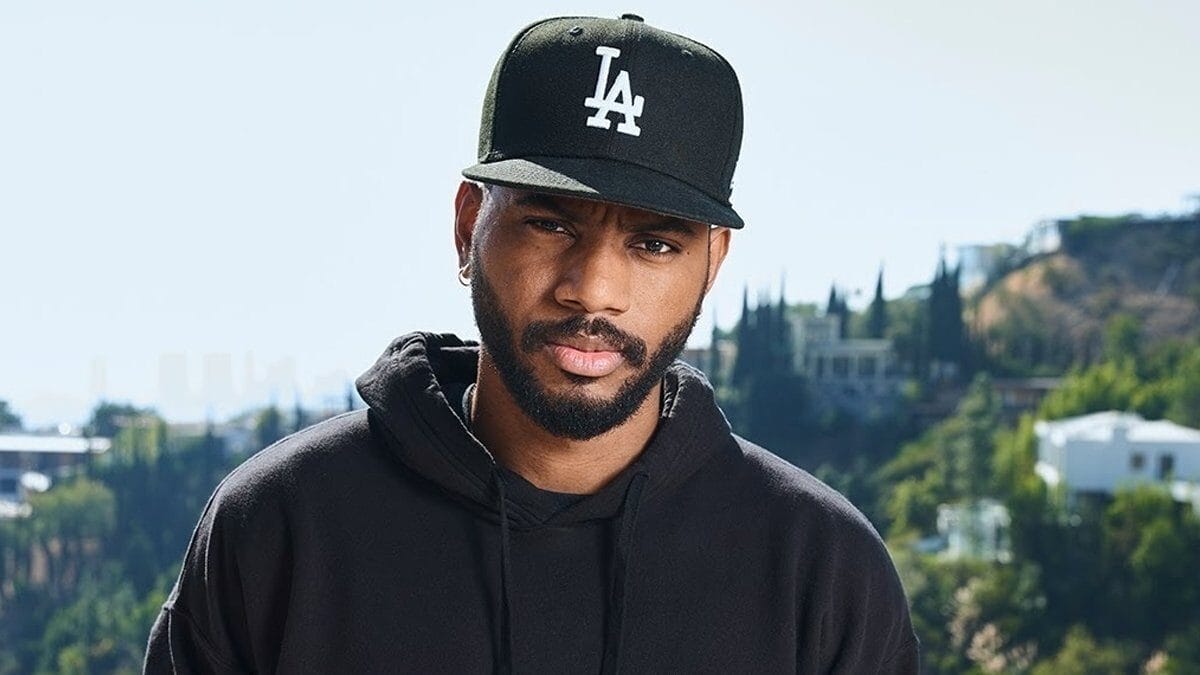
Bryson Tiller is an American singer, songwriter, and producer whose emergence in the mid-2010s helped reshape the emotional and stylistic contours of contemporary R and B. Known for blending melodic singing with rhythmic phrasing that borders on rap, Tiller occupies a space between genres rather than committing fully to either one. His music is often described as restrained, moody, and introspective, favoring emotional immediacy over vocal spectacle. That approach stood out at a time when mainstream R and B was still largely oriented around polished romantic narratives and dramatic performances.
What distinguishes Tiller is not only his sound, but the emotional posture of his work. His songs tend to linger in uncertainty rather than resolve it, capturing feelings of longing, regret, pride, insecurity, and emotional fatigue in the same breath. Listeners are rarely offered clean moral conclusions or heroic arcs. Instead, they are invited into moments of psychological tension that feel unresolved and familiar. This tone made his music resonate strongly with audiences navigating relationships and self-identity in a digital era defined by constant comparison, communication, and emotional exposure.
Since his breakthrough, Tiller has remained a reference point within modern R and B, even during periods when he has released music sparingly. His influence is audible in the production choices, vocal delivery, and emotional framing adopted by many artists who followed. Rather than dominating the public conversation through constant visibility, his presence has endured through the structural imprint he left on the genre itself.
Bryson Djuan Tiller was born and raised in Louisville, Kentucky, a city that exists outside the traditional power centers of the American music industry. Growing up away from major industry hubs shaped his early relationship with music. There was little expectation of immediate access or recognition, which allowed creativity to develop privately rather than performatively. Music functioned as an emotional outlet long before it became a professional pursuit. His early life was marked by personal loss and instability, experiences that encouraged introspection and emotional self-reliance. Those conditions did not produce a polished origin story, but they did produce a distinctive emotional vocabulary that would later define his songwriting.
Before any mainstream recognition, Tiller spent years teaching himself how to write, record, and structure songs with limited resources. He learned how to use space and restraint, how to let minimal production carry emotional weight, and how to deliver vocals in a way that felt conversational rather than theatrical. When he began sharing music online, it was not positioned as a debut or a calculated launch. It was shared as expression. That context shaped how early listeners encountered his work. Songs felt discovered rather than marketed, creating a sense of intimacy that strengthened the bond between artist and audience.
Tiller’s breakthrough arrived during a broader shift in how music was discovered and consumed. Digital platforms allowed artists to bypass traditional gatekeepers, and audiences were increasingly receptive to work that felt emotionally direct rather than commercially engineered. His music arrived at the right moment, but it also articulated something that listeners had not heard expressed so plainly. By blending singing with rhythmic delivery and focusing on internal conflict rather than external drama, he helped push R and B toward a more introspective center. The genre began to accommodate emotional ambiguity as a feature rather than a flaw.
Following early success, Tiller faced pressures common to artists who redefine a sound. Expectations for constant output and stylistic repetition conflicted with his more deliberate creative instincts. Rather than saturating the market, he chose to move slowly, stepping back at times to recalibrate. This pacing shaped his career as much as his initial releases did. It preserved the sense that his projects were chapters rather than content, and it acknowledged the psychological toll that rapid fame can impose. Even during quieter periods, his influence continued to spread as newer artists adopted similar production palettes and emotional approaches.
The cultural significance of Bryson Tiller lies in how thoroughly his aesthetic has been absorbed into contemporary R and B. His work helped normalize vulnerability without spectacle and masculinity without emotional detachment. At a time when emotional expression by men in popular music was often framed through dominance or bravado, his songs allowed uncertainty, self-doubt, and emotional fatigue to exist without apology. That shift expanded the genre’s expressive range and provided listeners with a more nuanced emotional mirror.
Tiller’s music continues to resonate because it reflects the psychological conditions of modern relationships shaped by digital life. Constant access, self-presentation, and comparison intensify emotional complexity, and his songs document that tension without offering easy resolutions. Growth in his work is rarely linear, and love is rarely redemptive. Instead, listeners are presented with emotional negotiation, relapse, and self-awareness that feels earned rather than idealized. As long as audiences seek music that articulates emotional complexity with clarity and restraint, Bryson Tiller’s work will remain relevant not as a trend, but as a lasting reference point.
