Tfue’s Birthday
January 2, 2030

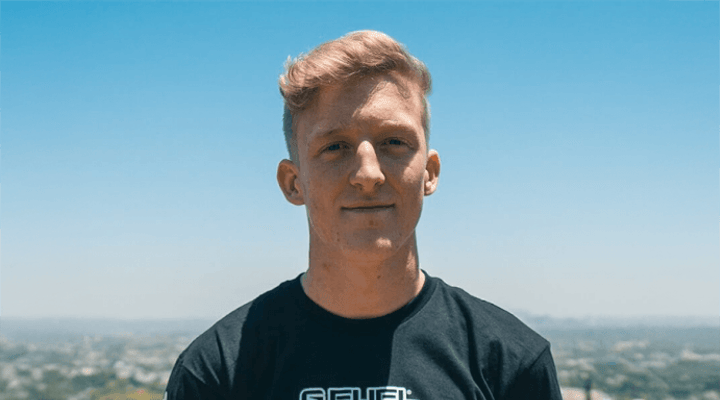
Tfue, born Turner Tenney, is a professional gamer and content creator who became one of the most recognizable figures in competitive gaming during the rise of esports and livestream culture. He gained prominence through Fortnite at a moment when competitive gaming was transitioning from niche entertainment into a mainstream digital industry. Tfue’s visibility extended beyond tournament play, as his livestreams and online persona attracted millions of viewers across platforms.
What set Tfue apart was not only mechanical skill but timing. His ascent coincided with the explosion of game streaming as a spectator activity, where personality, performance under pressure, and audience interaction mattered as much as competition results. He became emblematic of a new form of celebrity built entirely within digital ecosystems.
Tfue’s public presence reflects the convergence of gaming, entertainment, and personal branding, a convergence that has reshaped how young audiences define professional success.
Turner Tenney grew up in Florida and developed an early interest in competitive gaming at a time when esports pathways were still forming. Unlike traditional athletes, gamers often enter competition through informal online spaces before formal structures exist. Tfue’s early development followed this pattern, with skill refinement occurring through self-directed practice rather than institutional training.
His breakthrough came as Fortnite became a cultural phenomenon, transforming from a game into a social platform with massive spectator appeal. Tfue’s aggressive play style and technical precision made him a standout competitor, while his livestream presence allowed audiences to observe gameplay in real time. This combination blurred the line between athlete and entertainer, reinforcing a new model of sports visibility driven by constant access.
As his audience grew, Tfue became central to discussions about contracts, labor, and power within esports organizations. His public disputes with team structures highlighted the growing pains of an industry balancing individual creators with corporate frameworks. These moments elevated him from competitor to symbol of player autonomy, drawing attention to the evolving economics of digital competition.
Culturally, Tfue represents the maturation of gaming as a legitimate career path. His success demonstrated that competitive gaming could generate financial stability, influence, and global recognition. At the same time, his career exposed the pressures of constant visibility, including burnout and scrutiny that mirror challenges faced by traditional celebrities.
Tfue’s relevance persists because esports continues to expand, and his career serves as an early case study in how digital-native fame operates. He occupies a place in gaming history similar to early professional athletes in emerging sports, figures who defined norms before structures fully solidified.
In broader cultural terms, Tfue illustrates how skill-based entertainment has moved online, where competition, performance, and audience engagement coexist. His legacy is tied not just to wins or rankings, but to how he embodied the first wave of esports stars to cross fully into mainstream recognition.