Exotic Vegetables and Star Fruit Month
February 1, 2026

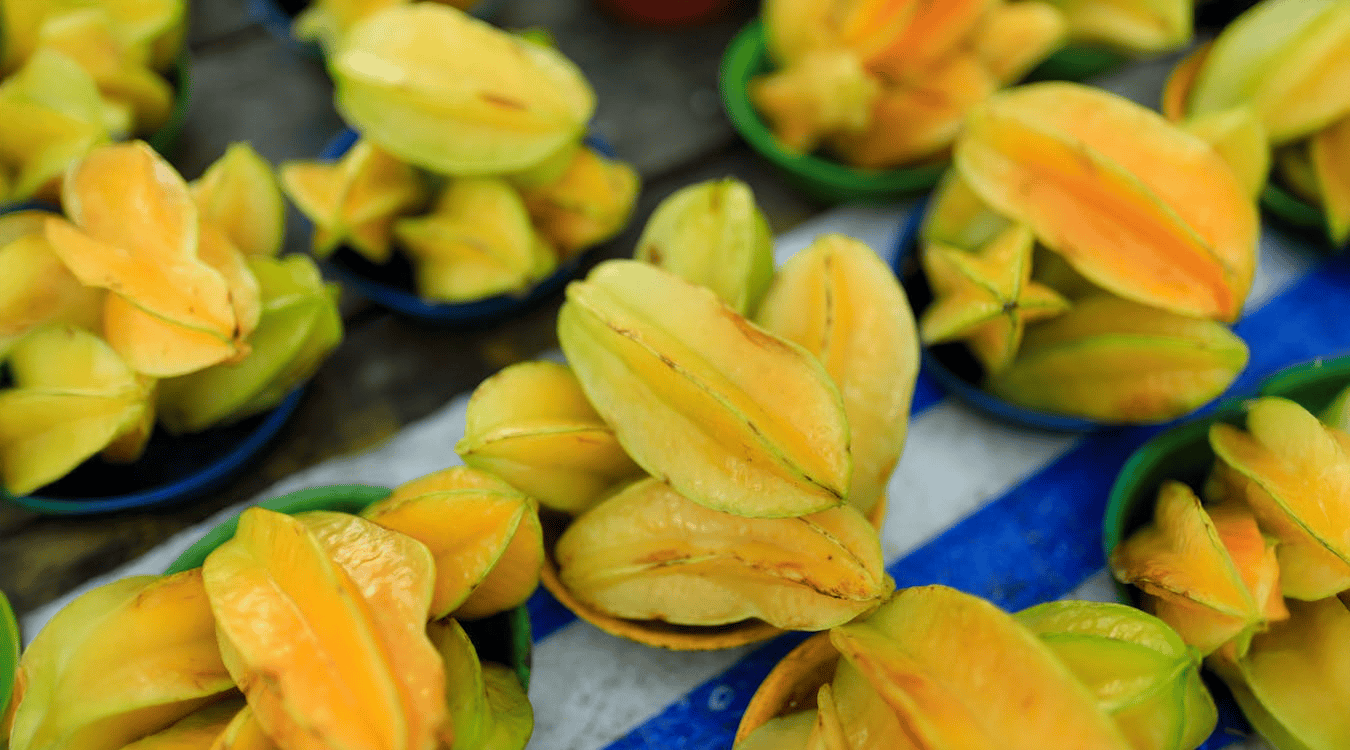
Exotic Vegetables and Star Fruit Month is observed annually in February and highlights produce that falls outside traditional Western staples. The observance developed through agricultural promotion efforts aimed at broadening consumer awareness of global crops and diversified farming.
Many vegetables now labeled as exotic have long histories in the regions where they originated. Crops such as star fruit, bitter melon, and taro were cultivated for centuries before becoming available in international markets. Global trade, immigration, and improved distribution gradually introduced these foods to wider audiences.
Star fruit, also known as carambola, became a focal point due to its distinctive shape and tropical origin. Its inclusion reflects how visual appeal and novelty influence food adoption alongside flavor and nutrition.
The month acknowledges how global agriculture reshapes everyday eating habits.
Exotic vegetables carry cultural meaning tied to regional cuisines and traditional preparation methods. What is unfamiliar in one context is often foundational in another.
The observance highlights how food diversity supports culinary creativity and cultural exchange. Exposure to new ingredients encourages exploration of different cooking techniques and flavor profiles.
Exotic Vegetables and Star Fruit Month also reflects shifting consumer interest toward variety and authenticity.
The month frames global produce as an expansion of culinary vocabulary rather than a departure from tradition.
Exotic Vegetables and Star Fruit Month remains relevant as global food systems become increasingly interconnected.
The observance encourages awareness of agricultural diversity and the cultural contexts behind ingredients.
It also supports farmers and markets that cultivate nontraditional crops.
The month matters because food diversity strengthens both cultural understanding and agricultural resilience.