Medjool Date Day
February 4, 2027

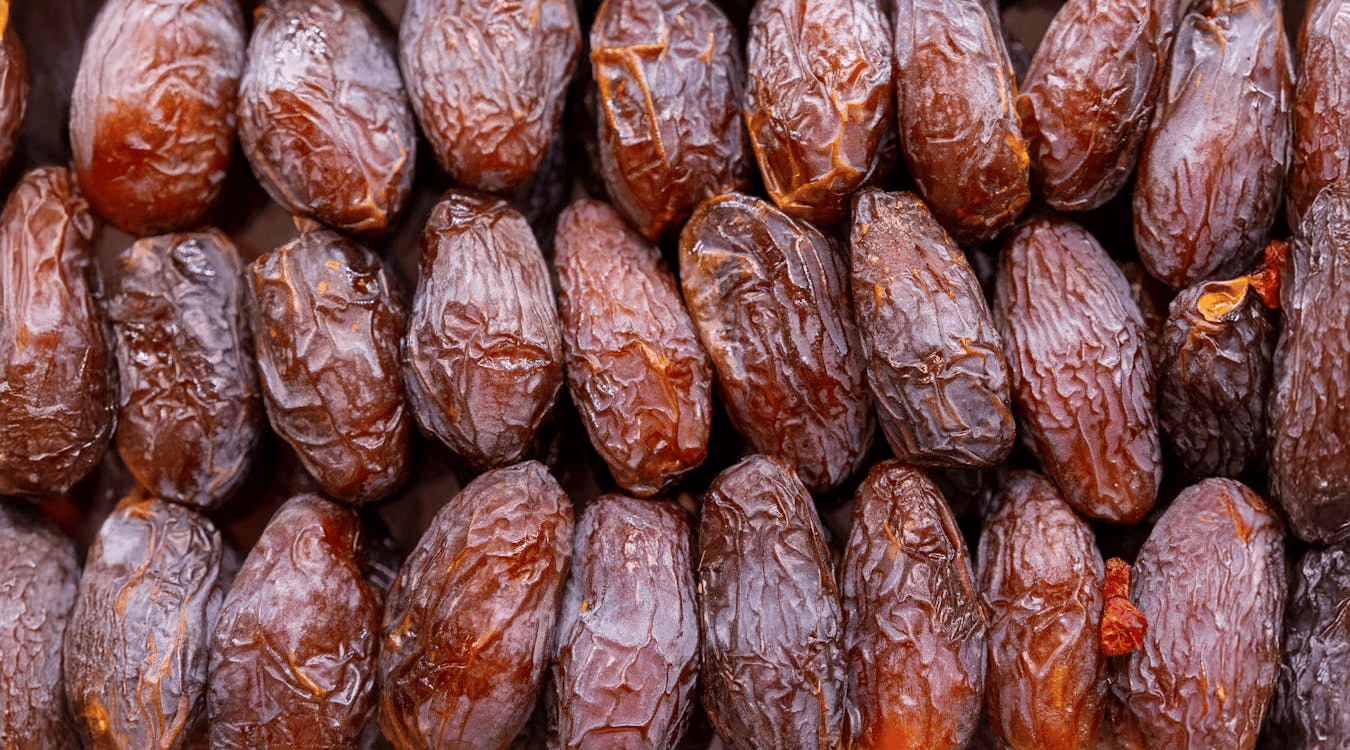
Medjool Date Day is observed annually in early February and focuses on a variety of date long valued for its size, texture, and natural sweetness. Medjool dates originated in Morocco, where they were cultivated for centuries as a premium fruit.
Dates have played a central role in Middle Eastern and North African food systems for thousands of years, serving as both sustenance and trade commodity. Medjool dates were traditionally prized and reserved for special use due to their richness.
The cultivation of Medjool dates expanded internationally during the twentieth century, particularly after growers introduced them to suitable climates in the United States. This expansion increased availability while preserving the fruit’s distinctive qualities.
Medjool Date Day reflects the global movement of traditional crops into modern agricultural systems.
Medjool dates are culturally significant as symbols of hospitality and nourishment. In many traditions, dates are offered to guests and consumed during religious observances and celebrations.
Culinarily, Medjool dates are valued for versatility. They appear in both sweet and savory dishes, providing sweetness without refinement.
Their texture and flavor distinguish them from other date varieties, contributing to their continued recognition.
Medjool Date Day highlights how agricultural heritage persists through continued cultivation and use.
Medjool Date Day remains relevant as interest grows in whole foods with historical significance.
The observance encourages awareness of agricultural origins and crop migration.
It also reflects how traditional foods adapt to modern markets.
The day matters because it honors a fruit that connects ancient cultivation with contemporary consumption.
