Bubble Gum Day
February 6, 2028

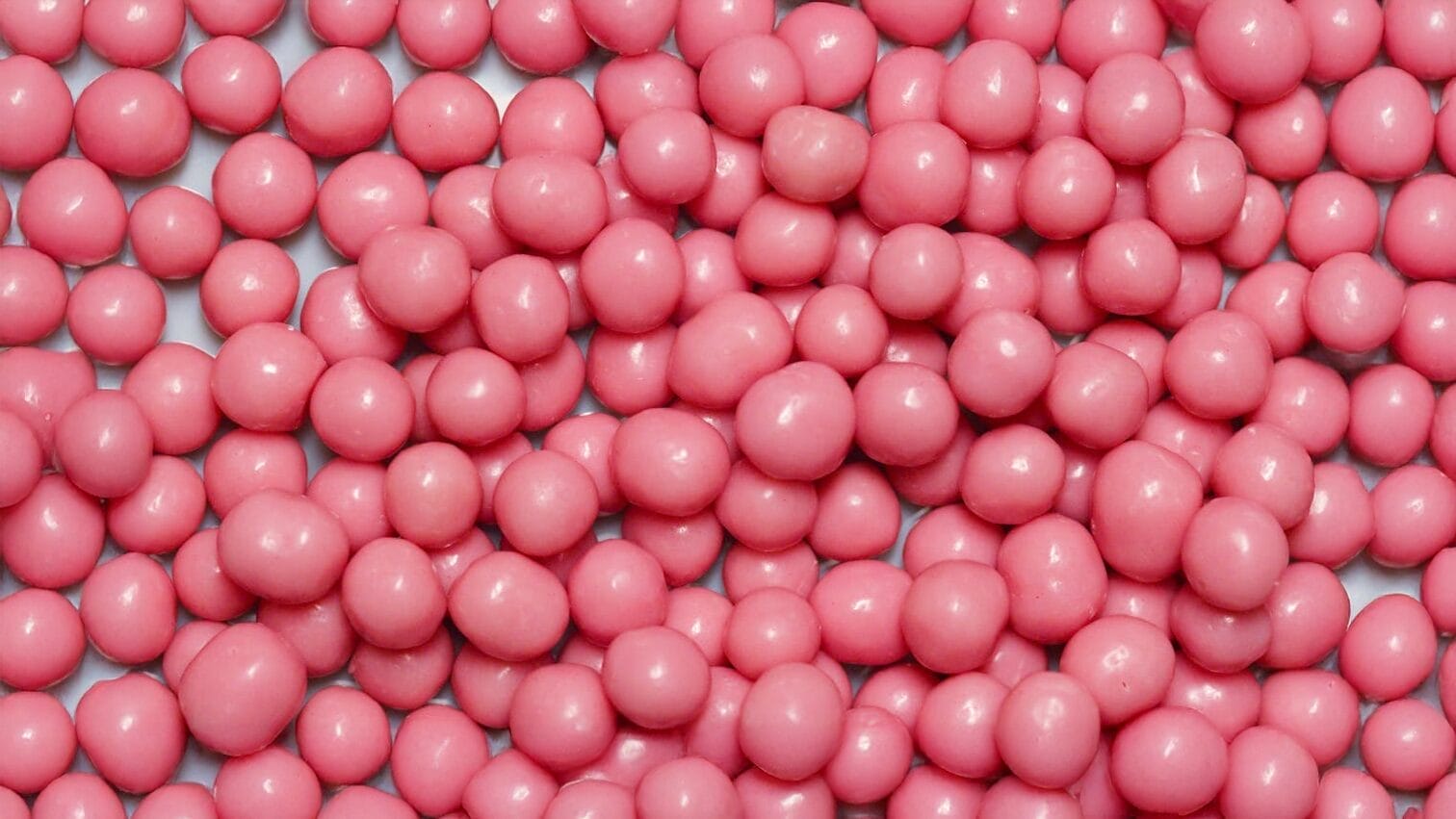
Bubblegum Day is observed annually in early February and centers on bubblegum as a distinct cultural and commercial invention rather than merely a flavor of chewing gum. While the observance itself is modern and informal, the product it celebrates reflects more than a century of experimentation in material science, manufacturing, and consumer behavior.
The practice of chewing substances for enjoyment or stimulation predates modern candy by thousands of years. Ancient cultures chewed tree resins, plant sap, and waxes for medicinal, hygienic, or social reasons. These early practices established chewing as a habitual act long before sweetness or novelty entered the equation.
Modern chewing gum emerged in the nineteenth century as industrial processing allowed for consistent texture and flavor. Early formulations were functional rather than playful, intended primarily to freshen breath or provide mild stimulation. Bubblegum did not appear until manufacturers deliberately sought to transform gum into a novelty product.
Bubblegum was engineered to stretch, resist popping too easily, and hold air. This technical shift changed the purpose of gum from a private habit to a visible act. Blowing bubbles introduced performance, turning chewing into a social signal rather than a discreet activity.
By the mid twentieth century, bubblegum became closely associated with youth culture. It appeared alongside baseball cards, comic books, and corner store candy counters. Bubblegum Day reflects this moment when a small industrial tweak reshaped consumer identity and cultural meaning.
Bubblegum’s cultural significance lies in its relationship to play, visibility, and rule bending. Unlike other candies, bubblegum invites action. Blowing a bubble is not passive consumption but an expressive gesture that attracts attention.
Throughout the twentieth century, bubblegum became shorthand for youthfulness and rebellion. In advertising and film, characters chewing bubblegum were often framed as casual, carefree, or defiant of decorum. The act carried mild transgression, particularly in spaces where chewing gum was discouraged.
Bubblegum also reflects the rise of novelty-driven consumer culture. Its appeal was not primarily nutritional or even flavor-based. Instead, it sold an experience. The bubble itself was the product, and the gum was merely the medium.
This focus on experience anticipated later trends in consumer goods where interaction, display, and identity matter as much as function. Bubblegum functioned as one of the earliest examples of food-as-performance.
Bubblegum Day highlights how small, inexpensive products can accumulate cultural weight through repetition. For many people, bubblegum is linked to childhood memories, social bonding, and informal spaces such as schoolyards or sporting events.
Bubblegum Day remains relevant because it illustrates how everyday objects shape shared cultural memory. In an era of rapidly changing technology and consumption, bubblegum represents continuity through simplicity.
The observance also invites reflection on how play is structured into daily life. Bubblegum offered a socially acceptable form of play within rigid routines, especially for children. That function remains meaningful as modern life becomes increasingly scheduled and monitored.
Bubblegum Day underscores that cultural significance does not require prestige. Meaning often accumulates through ordinary repetition rather than formal recognition.
The day matters because it recognizes how joy, identity, and memory can be embedded in the smallest rituals, carried forward through something as simple as a bubble.

