National Cabbage Day
February 17, 2026

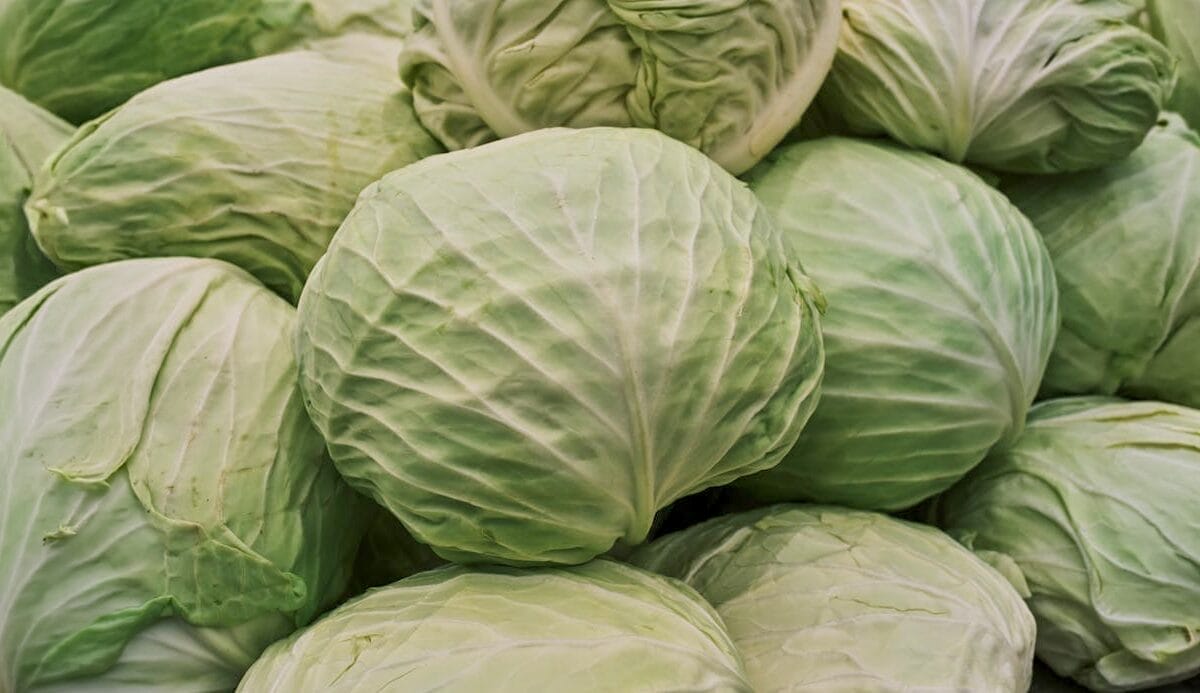
National Cabbage Day is observed annually in early February and celebrates a vegetable that has sustained populations for centuries. Cabbage is one of the oldest cultivated vegetables, valued for its durability, versatility, and ability to thrive in cool climates.
Evidence of cabbage cultivation dates back thousands of years to ancient Europe and the Mediterranean. Its dense leaves and resistance to spoilage made it particularly valuable before refrigeration.
Cabbage became central to many regional cuisines, often preserved through fermentation or cooking methods designed to extend shelf life. These techniques allowed cabbage to serve as a nutritional anchor during winter months.
As cabbage traveled globally through trade and migration, it adapted easily to new environments. Its affordability and adaptability made it accessible across social classes.
National Cabbage Day reflects the vegetable’s long role as a practical and cultural staple.
Cabbage holds cultural significance because it represents endurance and economy. It is rarely associated with luxury, yet it appears consistently across culinary traditions.
From fermented preparations to cooked dishes, cabbage demonstrates how simple ingredients can support diverse cuisines.
Cabbage often appears in foods tied to survival, migration, and working-class life, reinforcing its identity as sustenance rather than spectacle.
National Cabbage Day highlights how foundational ingredients shape daily nourishment and cultural memory.
National Cabbage Day remains relevant because it draws attention to foods that sustain rather than impress.
The observance encourages appreciation for versatility and longevity in food systems.
As interest grows in traditional diets and preservation, cabbage’s value becomes newly visible.
The day matters because it honors a vegetable that quietly supports global food culture.
