National Tortilla Chip Day
February 24, 2027

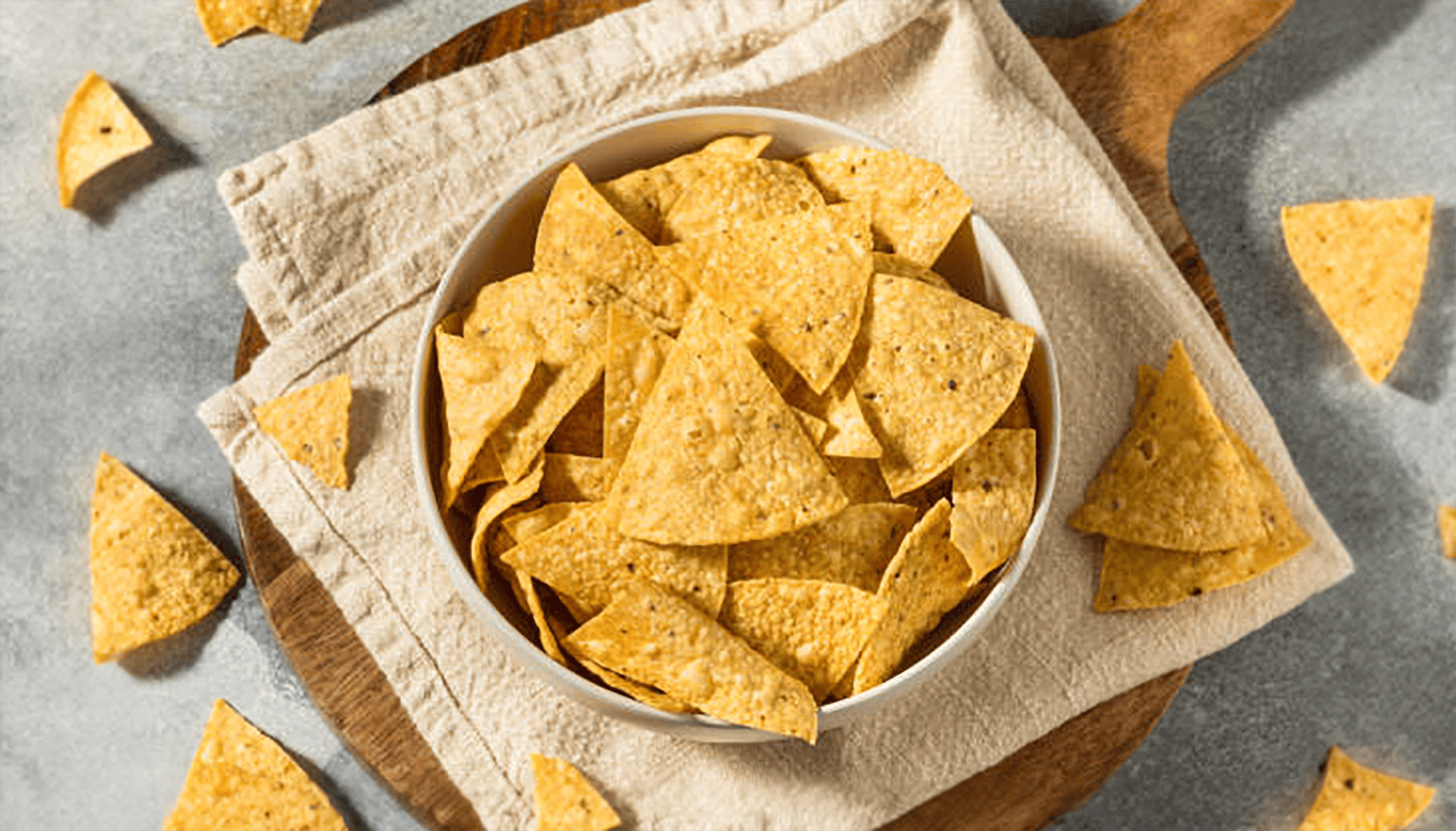
National Tortilla Chip Day is observed annually on February 24 and celebrates a snack rooted in ancient Mesoamerican food traditions and transformed through twentieth-century commercial innovation. The tortilla chip, while now a staple of snack aisles and restaurant tables across the United States, began as an extension of the corn tortilla, a foundational element of Mexican cuisine for thousands of years.
The story of the tortilla chip begins with maize. Corn was domesticated in what is now Mexico more than 7,000 years ago and became central to the diets of Indigenous civilizations including the Maya and Aztecs. The process of nixtamalization, in which corn is soaked and cooked in an alkaline solution, allowed the grain to be ground into masa for tortillas. This technique improved both flavor and nutritional value and remains essential to traditional tortilla production.
For centuries, tortillas were consumed fresh, grilled, or incorporated into stews and layered dishes. The transformation of tortillas into crisp chips likely began as a practical response to staleness. Leftover tortillas were cut and fried to extend their usability, creating a crunchy alternative to fresh bread.
The tortilla chip gained wider recognition in the early twentieth century, particularly in Southern California, where Mexican restaurants began serving fried tortilla pieces as accompaniments. Industrial production followed as mechanized cutting and frying processes made consistent, packaged chips possible.
National Tortilla Chip Day reflects this journey from ancient corn preparation to modern snack innovation, recognizing the tortilla chip as both cultural inheritance and commercial evolution.
Tortilla chips hold cultural significance because they represent the adaptation of a staple food into a new form without severing its roots. Unlike many modern snacks, tortilla chips are directly derived from a traditional preparation rather than invented independently.
In Mexican and Mexican American cuisine, tortilla chips frequently accompany salsas, guacamole, and layered dishes such as chilaquiles and nachos. The chip’s structure makes it suitable for dipping, scooping, and layering, reinforcing communal eating practices.
The rise of tortilla chips in the United States also reflects cross-cultural exchange. As Mexican cuisine gained popularity nationally, tortilla chips became entry points for broader culinary exploration. Their familiarity and accessibility helped normalize flavors such as lime, chili, and roasted tomato in mainstream markets.
Culinarily, tortilla chips illustrate how texture shapes experience. Frying or baking transforms pliable tortillas into rigid forms that deliver crunch, creating contrast against softer accompaniments.
National Tortilla Chip Day highlights how a food rooted in ancient agricultural practice can evolve into a global snack while retaining visible ties to its origin.
National Tortilla Chip Day remains relevant because tortilla chips continue to function as cultural bridges. They appear in casual dining, home kitchens, and packaged snack formats, reflecting both heritage and convenience.
The observance also encourages awareness of corn’s central role in global agriculture and Indigenous food systems. Understanding tortilla chips requires recognizing the long history of maize cultivation and nixtamalization.
In contemporary food culture, tortilla chips adapt to dietary preferences through variations in grain type, oil selection, and seasoning, while maintaining their recognizable triangular form.
National Tortilla Chip Day matters because it honors a snack that connects ancient agricultural knowledge with modern communal eating practices, demonstrating how tradition and innovation coexist within everyday food.
