National Pancake Day (IHOP)
February 28, 2027

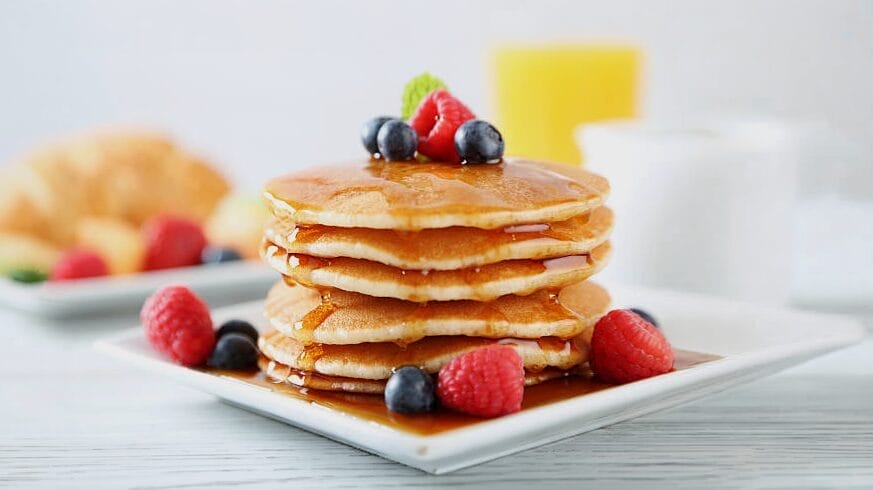
National Pancake Day is observed annually in late February or early March, typically aligned with Shrove Tuesday in many traditions, and celebrates one of the oldest prepared foods in human history. Pancakes, in their most basic form, consist of ground grain mixed with liquid and cooked on a heated surface. This method predates ovens, metal cookware, and even written culinary records.
Archaeological evidence suggests that early civilizations cooked primitive pancakes on heated stones thousands of years ago. Ancient Greek and Roman writings describe flat cakes made from wheat flour, olive oil, honey, and curdled milk. These early preparations were not considered breakfast foods in the modern sense but were practical, efficient uses of available grain.
During the medieval period in Europe, pancakes became associated with Shrove Tuesday, the day before the Christian season of Lent began. Because Lent historically required fasting and abstention from rich foods such as eggs, butter, and milk, households used these ingredients to prepare pancakes before the fasting period commenced. This practice gave rise to traditions such as Pancake Day in the United Kingdom and Mardi Gras celebrations in other regions.
As European settlers migrated to North America, they brought pancake traditions with them. The availability of different grains and the later introduction of chemical leavening agents transformed pancake texture and thickness. Baking powder, introduced in the nineteenth century, allowed for lighter, fluffier griddle cakes.
National Pancake Day reflects this long history of adaptation, linking ancient cooking techniques with religious observance and modern breakfast culture.
National Pancake Day holds cultural significance because pancakes occupy a rare universal position in global cuisine. Nearly every culture has a version of a griddle-cooked batter, whether thin and delicate or thick and hearty. This universality underscores the simplicity and accessibility of the method.
In the United States, pancakes became closely associated with breakfast and family gatherings. Weekend mornings often centered around griddles and shared meals, reinforcing pancakes as communal rather than solitary food. Their preparation requires immediate cooking and serving, which encourages people to gather at the table.
Beyond the domestic sphere, National Pancake Day has also become associated with community events and charitable efforts in certain regions. Restaurants and civic organizations use the day to bring people together around a familiar and affordable dish.
Pancakes also demonstrate culinary adaptability. They can be savory or sweet, filled or topped, thin or thick. Ingredients shift according to climate, culture, and dietary preference, yet the core structure remains consistent.
National Pancake Day highlights how foundational cooking methods endure because they are flexible and universally understandable.
National Pancake Day remains relevant because it bridges ancient technique with contemporary routine. In a rapidly changing food landscape, pancakes represent continuity and shared reference.
The observance also reinforces the role of food in marking seasonal and religious transitions. Even for those who do not observe Lent, the timing of National Pancake Day connects modern eating habits with historical calendars.
From a culinary perspective, pancakes serve as an introduction to cooking for many households. The process teaches temperature control, timing, and ingredient balance in accessible form.
National Pancake Day matters because it honors a preparation that has sustained communities for millennia, demonstrating how simple combinations of grain and heat can become lasting cultural traditions.

