National Sauce Month
March 1, 2026

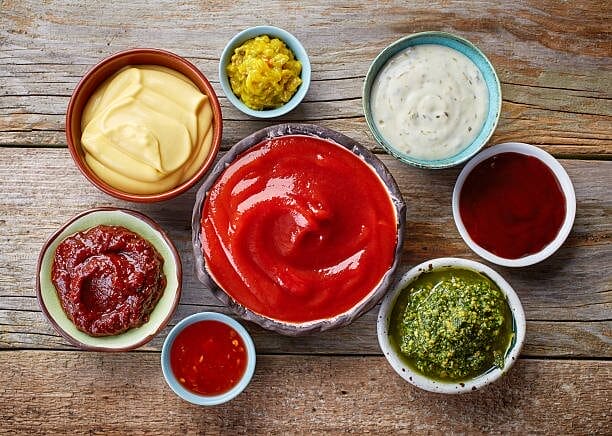
National Sauce Month is observed in March and celebrates sauces as the invisible architecture of cuisine. National Sauce Month recognizes that sauces are not merely extras. They are systems that carry fat, acid, salt, sweetness, aromatics, and heat in ratios that define regional identity. A sauce can turn the same grilled protein into entirely different food cultures without changing the base ingredient.
Historically, sauces emerged as practical solutions. They added moisture to dry foods, stretched small amounts of meat into larger meals, preserved flavor through fermentation, and balanced harsh ingredients through fat emulsions. In many traditions, sauce-making was a method of managing scarcity. When protein was limited, sauce helped build satisfaction through aroma and richness.
The ingredient microhistory most central to sauces is the evolution of emulsions and fermentation. Emulsified sauces like mayonnaise or hollandaise depend on controlling fat and water through egg proteins. Fermented sauces like soy sauce, fish sauce, and certain chili pastes depend on microbial transformation, time, and salt. These are two different technologies, but both exist to make flavor durable and transferable.
Migration and trade shaped sauces more than many other food elements. Spices moved across oceans, tomatoes moved from the Americas to Europe, and sugar moved through colonial systems into global kitchens. Each trade shift created new sauces or radically changed old ones. Tomato-based sauces in Italy, for example, are not ancient in their modern form. They are post-Columbian developments built on New World crops.
Technological inflection points modernized sauces. Canning, bottling, and industrial pasteurization stabilized sauces for mass distribution. Refrigeration changed how quickly dairy sauces could be stored. Food science standardized thickeners and stabilizers, making products consistent across batches. This altered consumer expectations, making sauce flavor reproducible regardless of season.
National Sauce Month reflects this long arc from household craft to industrial standardization and back again, as modern cooks rediscover fermentation, reduction, and emulsification as skills rather than factory outputs.
National Sauce Month highlights sauces as cultural signatures. Many cuisines can be identified by their core sauce logic. French traditions emphasize reductions, butter emulsions, and stock-based foundations. East Asian traditions emphasize fermented umami systems like soy sauce, miso, and fish sauce. West African traditions often use ground nut or pepper bases with layered aromatics. Latin American traditions include salsa families built around chiles, acids, and fresh herbs. Sauce is identity in liquid form.
Agriculture sits under every sauce. Olive oil supply shapes Mediterranean sauce profiles. Soybean cultivation supports soy sauce and miso production. Dairy infrastructure supports cream sauces and butter emulsions. Chili pepper agriculture shapes salsa and hot sauce economies. When you analyze sauces, you are analyzing crop systems and processing capacity.
Economically, sauces create value through concentration. A small amount of sauce can elevate low-cost ingredients. This makes sauces powerful tools for household budgeting and for restaurant margins. Bottled sauces also represent high-margin retail products because they package shelf-stable flavor and convenience.
Regional comparisons show how sauces solve similar problems differently. Consider acidity. In some traditions, acidity comes from vinegar. In others, it comes from citrus. In others, it comes from fermented sourness. Consider thickness. Some cuisines rely on reduction and collagen. Others rely on starches. These choices reflect local ingredients, fuel costs, and historical technology.
A misconception worth correcting is that sauce is always about hiding poor food. Historically, sauces were often about balance and preservation, not disguise. Another misconception is that all sauces are complex. Many foundational sauces are simple ratios repeated with discipline, and that repeatability is part of their cultural persistence.
National Sauce Month also connects to resilience. During supply disruptions, households often rely on pantry sauces to maintain flavor when fresh produce is limited. Fermented sauces and bottled condiments are flavor insurance, preserving complexity when ingredients are scarce or expensive.
Ancient era: Salt and fermentation preserve food and create early sauce-like liquids from fish and grains.
Classical period: Reduction techniques and seasoned broths develop alongside culinary specialization in large cities and courts.
Medieval era: Spice trade expands, introducing new aromatics that reshape sauce flavor structures across regions.
16th to 18th centuries: New World crops such as tomatoes and chiles enter global kitchens, driving new sauce families.
19th century: Canning, bottling, and industrial vinegar production stabilize sauces for wider distribution.
20th century: Pasteurization and mass branding create standardized sauces as global commodities.
21st century: Fermentation revival, artisan hot sauce movements, and ingredient transparency reshape sauce culture again.
National Sauce Month matters today because sauces remain the fastest way to express cultural specificity in home cooking. In an era when ingredients are globally available, sauce ratios and methods still differentiate cuisines. A jar of one sauce can redirect a whole meal’s identity.
Modern interest in fermentation and scratch cooking has brought renewed attention to the craft behind sauces. People are again learning that time is an ingredient, especially in fermented or reduced systems. This is not nostalgia. It is recognition that certain flavors cannot be shortcut without changing their structure.
Sensory anthropology explains why sauces persist. Humans respond strongly to fat carrying aroma, to acid creating brightness, and to salt amplifying perception. Sauces concentrate these sensations into controlled form. That control is why sauces feel like mastery.
Misconceptions about sauces often focus on sugar or sodium in some commercial products. National Sauce Month can acknowledge that bottled sauces vary widely, from minimally processed fermented sauces to engineered sweet condiments. The point is not to judge but to understand categories and choices.
Economic resilience remains central. Pantry sauces reduce cooking friction and help households build satisfying meals with limited ingredients. Restaurants also depend on signature sauces to create repeatable experiences and brand identity.
National Sauce Month matters because it honors the most quietly powerful element in cooking: the part that binds ingredients into a coherent experience and carries cultural memory in every spoonful.

