National Chip and Dip Day
March 23, 2027

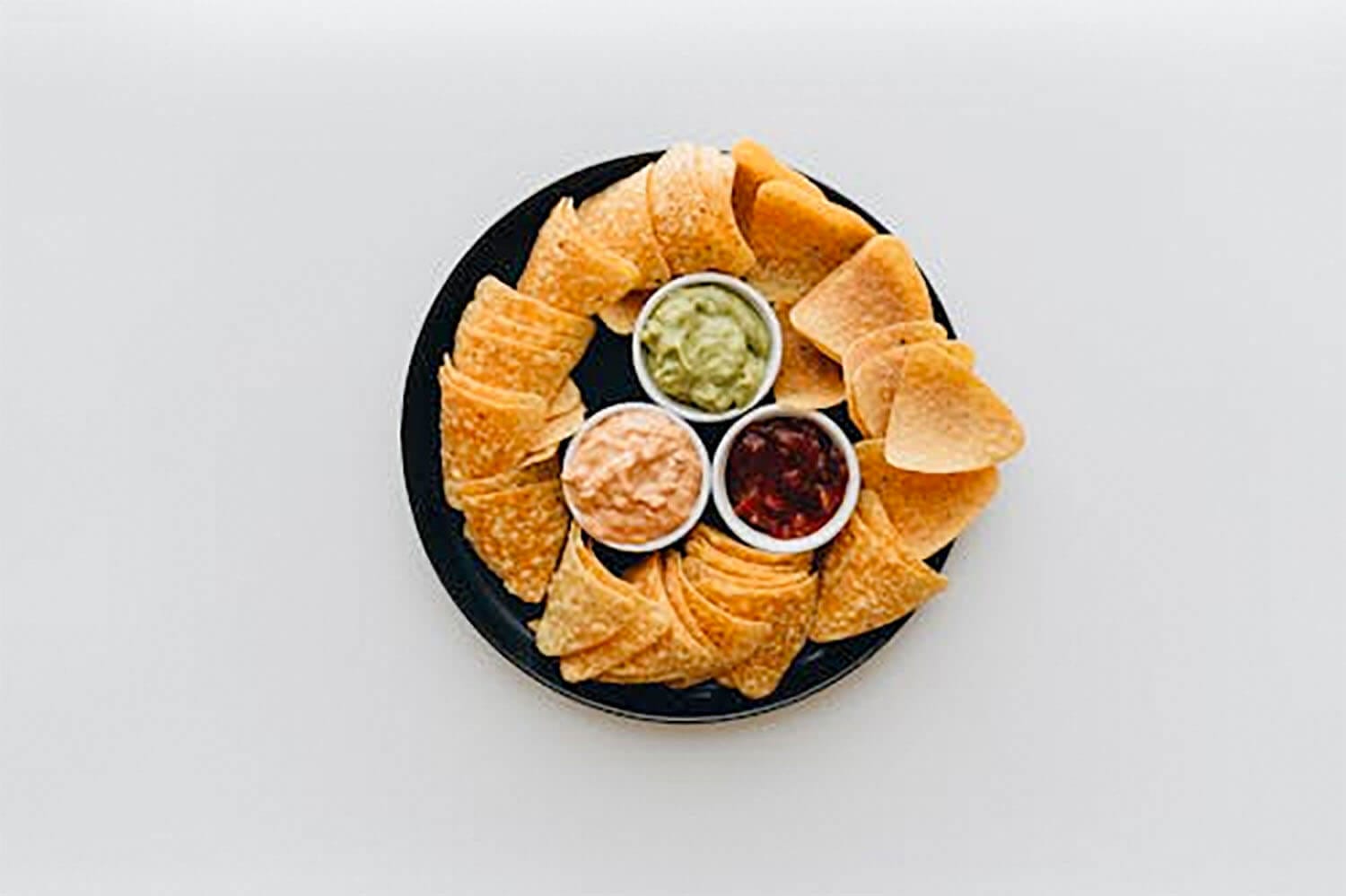
Chips and Dip Day celebrates a snack combination that became deeply embedded in modern party culture and casual dining. Chips and Dip Day highlights the pairing of crunchy snack chips with creamy or savory dips, a format that encourages sharing and social eating.
The ingredient microhistory central to Chips and Dip Day begins with the potato chip. Potatoes were domesticated in South America thousands of years ago before spreading globally through European exploration. By the nineteenth century, potatoes had become one of the most important staple crops in many regions.
Potato chips themselves emerged through frying techniques that turned thin slices of potatoes into crisp snacks. Early versions were produced in restaurants and later packaged for commercial sale as snack foods gained popularity.
Dips have a different culinary lineage. Many dips originate from sauces used in earlier cuisines, including sour cream-based spreads, bean pastes, and herb mixtures. Pairing dips with chips allowed these sauces to become shareable snack accompaniments rather than meal components.
Technological inflection points shaped the snack industry. Industrial food processing allowed chips to be produced in large quantities, packaged for long shelf life, and distributed widely through grocery stores.
Chips and Dip Day reflects the intersection of agricultural crops, food processing technology, and social dining traditions.
Chips and Dip Day highlights the cultural importance of snack foods in modern social gatherings. Unlike formal meals, snack foods encourage casual interaction and communal sharing.
Sensory anthropology explains the appeal of chips and dips through texture contrast. Crispy chips paired with creamy or chunky dips create an immediate sensory balance.
Agriculturally, the ingredients behind chips and dips reflect multiple farming systems including potato cultivation, dairy production, and vegetable farming.
Regional comparisons reveal different dip traditions. Guacamole reflects Mexican avocado agriculture, while French onion dip relies on dairy products and caramelized onions.
A misconception worth correcting is that snack foods lack culinary heritage. Many dips originate from traditional sauces and spreads that predate modern snack culture.
Economic resilience also contributes to the popularity of chips and dip combinations because they are affordable and scalable for large gatherings.
19th century restaurant kitchens develop early versions of fried potato slices.
Early 20th century commercial production introduces packaged potato chips.
Mid 20th century party culture popularizes dips served alongside chips.
Late 20th century snack companies expand flavored chips and specialty dips.
Early 21st century global cuisines influence dip flavors and chip varieties.
Present day snack foods represent a major segment of the food industry.
Chips and dip combinations remain a staple of parties and casual gatherings.
Chips and Dip Day matters because snack foods have become an important part of social eating traditions.
Modern supply chains ensure widespread availability of chips and dip ingredients.
Sensory anthropology reinforces the universal appeal of crunchy textures paired with creamy dips.
Misconceptions about snack foods being culturally insignificant overlook their social importance.
Economic resilience continues as snack foods remain affordable and widely consumed.
Chips and Dip Day matters because it celebrates shared food experiences built around simple ingredients.