National Pecan Day
March 25, 2027

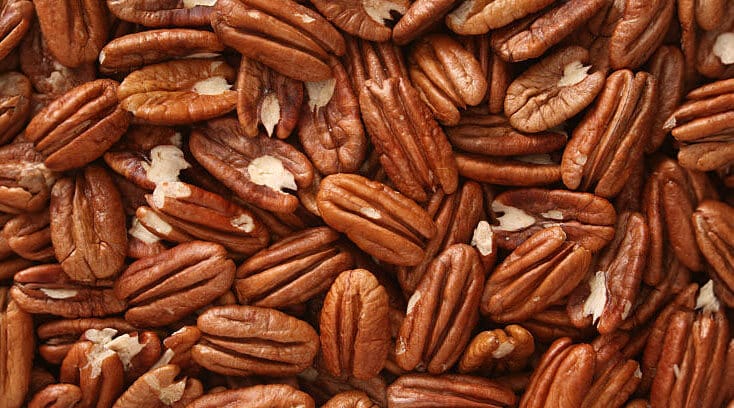
National Pecan Day is observed annually on April 14th throughout the United States, celebrating one of North America’s only native nut species and a cornerstone of Southern agricultural heritage. This food holiday honors the pecan tree, Carya illinoinensis, which has provided sustenance to inhabitants of the American South and Southwest for thousands of years before becoming a major commercial crop in the 19th and 20th centuries. National Pecan Day falls within the broader category of agricultural awareness observances that recognize crops crucial to American food systems and rural economies. While primarily celebrated in pecan-growing states including Georgia, Texas, New Mexico, and Louisiana, the observance has national relevance given pecans’ ubiquity in American baking traditions, from pecan pie at Thanksgiving to pralines in New Orleans. The timing in mid-April coincides with the flowering period for pecan trees, when orchards across the South display delicate yellow-green blooms that will develop into the nuts harvested each autumn. Whether enjoyed raw as healthy snacks, roasted and candied for confections, or baked into the countless desserts that showcase their buttery richness, National Pecan Day invites Americans to appreciate a truly indigenous food that Native peoples cultivated long before European contact.
The pecan’s history in North America extends back thousands of years before any European set foot on the continent. Archaeological evidence suggests Native American peoples harvested wild pecans throughout the Mississippi River valley and surrounding regions as early as 6100 BCE. The pecan’s name itself derives from the Algonquin word “pacane,” meaning a nut requiring a stone to crack, reflecting its importance in indigenous foodways. Numerous tribes including the Caddo, Wichita, Comanche, and Apache depended heavily on pecans as a portable, calorie-dense food source that could sustain them through winter months when other foods grew scarce.
Native peoples developed sophisticated pecan processing techniques long before commercial production existed. They gathered fallen nuts in autumn, cracked them using specialized stone tools, and extracted the nutritious meats. Some tribes pounded pecans into meal that could be mixed with water to create a nutritious drink called “powcohicora,” from which the Algonquin word eventually evolved. Others pressed pecan oil for cooking and food preservation. Pecans also featured in trade networks, with tribes exchanging nuts with groups living outside the trees’ natural range. This extensive use demonstrates pecans’ cultural and nutritional significance to pre-Columbian America.
European colonists and early American settlers quickly recognized pecans’ value after encountering them through Native American trade and observation. Spanish explorers documented pecan trees along the Rio Grande and throughout Texas in the 16th and 17th centuries, noting both the trees’ impressive size and the nuts’ superior flavor compared to European walnuts. French settlers in Louisiana incorporated pecans into their cuisine, creating distinctly Creole preparations like pralines that married French confectionery techniques with New World ingredients. Thomas Jefferson planted pecan trees at Monticello after receiving nuts from friends in Louisiana, helping spread cultivation beyond the species’ natural range.
Commercial pecan cultivation began in earnest during the mid-19th century as agricultural innovators recognized the trees’ economic potential. An enslaved gardener named Antoine working in Louisiana successfully grafted superior pecan varieties in 1846, creating the “Centennial” variety that produced larger, thinner-shelled nuts than wild specimens. This breakthrough demonstrated that pecans could be improved through selective breeding and grafting, transforming them from a foraged wild crop to a manageable orchard product. Post-Civil War, numerous Southern farmers turned to pecan cultivation as cotton agriculture declined and agricultural diversification became economically necessary.
The development of improved pecan varieties accelerated dramatically in the early 20th century. Plant breeders created cultivars optimized for specific growing conditions, pest resistance, and commercial characteristics like shell thickness and kernel size. Varieties with names like Stuart, Schley, and Desirable became industry standards, each offering different advantages for growers in various regions. Texas became a major pecan producer, with both native river bottom trees and planted orchards contributing to the state’s output. Georgia emerged as another powerhouse, eventually becoming the nation’s leading pecan producer through intensive orchard management and irrigation.
The pecan’s journey from wild foraged food to celebrated agricultural commodity spans millennia, with key developments marking its transformation. Around 6100 BCE, archaeological evidence shows Native Americans harvesting and processing wild pecans throughout the Mississippi River valley, establishing the foundation for thousands of years of indigenous pecan culture. By the time Spanish explorers arrived in the 16th century, Native American pecan processing and trade networks were well established throughout Texas, Louisiana, and surrounding regions.
The pivotal year of 1846 marked the successful grafting of superior pecan varieties by Antoine in Louisiana, proving that pecans could be cultivated and improved like other orchard crops. This innovation transformed pecans from wild harvest to agricultural product. The 1880s saw the establishment of the first commercial pecan orchards in the South, as farmers recognized economic opportunities in cultivated nut production. By 1900, improved varieties and cultivation techniques had made pecan farming a legitimate agricultural enterprise, though production remained modest compared to later industrial scale.
The early 20th century brought rapid expansion of pecan cultivation. In 1906, the USDA established a pecan breeding program, providing scientific support for variety development and cultivation best practices. Texas designated the pecan its state tree in 1919, reflecting the species’ cultural and economic importance to the state. The National Pecan Growers Association formed in 1920, creating an industry organization to promote pecans and support growers. Throughout the 1920s and 1930s, thousands of acres of pecan orchards were planted across Georgia, becoming that state’s signature crop.
Post-World War II agricultural mechanization revolutionized pecan harvesting. Mechanical tree shakers, introduced in the 1950s and refined through the 1960s, replaced labor-intensive hand harvesting and pole shaking, dramatically reducing harvest costs and labor requirements. Modern processing facilities with sophisticated sorting and cracking equipment further industrialized the industry. The establishment of National Pecan Day as an official observance occurred during the late 20th century, though the exact founding date and organizer remain unclear, following the pattern of many contemporary food holidays that develop through grassroots enthusiasm rather than formal declaration.
National Pecan Day matters because it celebrates the only major tree nut native to North America, connecting contemporary eaters to indigenous food traditions that sustained peoples for millennia before European contact. Unlike almonds from the Middle East, walnuts from Persia, or cashews from South America, pecans belong uniquely to North American ecology and culture. Recognizing this native status honors the agricultural wisdom of Native American peoples who understood pecans’ nutritional value and developed processing techniques that modern science confirms were remarkably efficient and nutritionally sound.
The observance also highlights the economic importance of pecan agriculture to rural Southern communities. Georgia alone produces over 100 million pounds of pecans annually, representing hundreds of millions of dollars in farm gate value and supporting thousands of jobs in growing, processing, and distribution. Family pecan orchards, some spanning multiple generations, form the backbone of rural economies in counties across Georgia, Texas, New Mexico, Louisiana, and other producing states. National Pecan Day creates opportunities to educate consumers about where their food originates and the real people who produce it, building connections between urban eaters and rural agricultural communities.
From a nutritional perspective, National Pecan Day promotes awareness of pecans’ impressive health benefits. Pecans contain more antioxidants than any other tree nut, with particularly high levels of vitamin E, zinc, and beneficial plant compounds. They provide heart-healthy monounsaturated fats similar to those in olive oil and avocados. Regular pecan consumption has been linked to improved cholesterol levels, reduced inflammation, and better blood sugar control. The observance creates opportunities for nutritionists, health educators, and food advocates to share this information with consumers who may view pecans primarily as dessert ingredients rather than nutritious whole foods.
The holiday also celebrates culinary diversity and regional food traditions. Southern pecan pie remains an iconic American dessert, while New Orleans pralines represent distinctive Creole confectionery tradition. Pecan-crusted fish showcases the nuts’ savory applications. Modern chefs incorporate pecans into innovative preparations, from pecan-maple granola to pecan-arugula pesto to spiced pecan butter. National Pecan Day encourages experimentation beyond familiar applications, helping cooks discover pecans’ versatility in both sweet and savory contexts across various global cuisines.
Finally, National Pecan Day matters because it connects participants to seasonal rhythms and agricultural cycles often obscured by modern food systems. Pecans harvest in autumn, ripen through winter, and flower in spring, with National Pecan Day’s April 14th timing marking the flowering period when next year’s crop begins development. Understanding these natural cycles creates appreciation for the patience and long-term thinking required in tree crop agriculture, where farmers plant orchards they may not see reach full production for a decade. This awareness fosters respect for agricultural expertise and the multi-generational commitment required to maintain productive orchards that may continue bearing for a century or more, making National Pecan Day a celebration not just of a food, but of sustained agricultural stewardship and connection to land.