National Raisin and Spice Bar Day
April 5, 2030

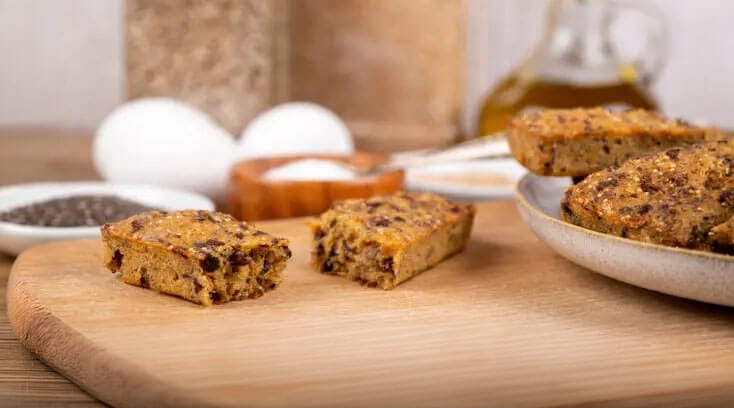
National Raisin and Spice Bar Day, observed annually on March 24th throughout the United States, celebrates a classic baked treat that combines the natural sweetness of raisins with warming spices like cinnamon, nutmeg, and cloves in a convenient bar cookie format. This food holiday honors a dessert category that emerged from American home baking traditions in the early 20th century when bar cookies offered simpler alternatives to labor-intensive drop cookies or layer cakes. Unlike celebrations focused on more glamorous desserts, National Raisin and Spice Bar Day recognizes an understated classic that sustained families through economic hardship, rationing periods, and busy schedules when elaborate baking proved impractical. The observance falls within the broader category of dessert-specific holidays that celebrate particular baked goods and their roles in American culinary culture. The timing in late March positions it during the transition from winter to spring, when warm spices and dried fruits still appeal despite approaching warmer weather. Whether enjoyed as lunchbox treats, afternoon snacks with coffee, or nostalgic connections to grandmother’s baking, National Raisin and Spice Bar Day invites appreciation for simple desserts that deliver satisfying flavor without requiring professional pastry skills or exotic ingredients.
Raisin and spice bars emerged during the early 20th century as American home bakers adapted traditional spice cake recipes into more convenient bar cookie formats. The concept of bar cookies, baked in rectangular pans and cut into squares or rectangles rather than shaped and baked individually, offered significant time savings for home cooks managing household responsibilities without modern conveniences. These efficiency gains made bar cookies particularly appealing during the 1920s and 1930s when women’s domestic responsibilities remained extensive despite emerging labor-saving appliances.
The ingredient combination reflects historical baking traditions stretching back centuries to European spice cakes and fruit-studded breads. Raisins provided natural sweetness and moisture while contributing texture and visual appeal to baked goods. Spices like cinnamon, nutmeg, cloves, and ginger had been staples in European baking since medieval times when they signified wealth and sophistication. By the early 20th century, these once-exotic ingredients had become affordable staples in American pantries, making spiced raisin desserts accessible to families across economic classes.
The Great Depression of the 1930s elevated practical desserts like raisin and spice bars to necessity rather than mere convenience. These bars required no expensive ingredients, no frosting or decoration, and used pantry staples that families could afford even during economic hardship. Raisins provided sweetness that reduced sugar requirements, important when budgets were tight and ingredients carefully rationed. The bars’ dense texture and substantial nature made them filling, stretching dessert portions further than lighter cakes or cookies.
World War II rationing reinforced raisin and spice bars’ popularity as sugar, butter, and eggs became controlled commodities. Victory garden campaigns and home front messaging encouraged baking that minimized rationed ingredients while maintaining morale through continued dessert traditions. Raisin and spice bars fit perfectly into this context, requiring relatively small amounts of sugar and fat while delivering satisfying results. Cookbooks and women’s magazines from the war years featured numerous variations on these economical bars, helping home bakers navigate shortages while maintaining family food traditions.
The specific origins of National Raisin and Spice Bar Day remain unclear, following patterns of many contemporary food holidays that emerge organically through social media, food blogs, and enthusiast communities rather than formal establishment by organizations. The observance likely gained recognition in the early 21st century as food bloggers and baking enthusiasts sought to celebrate overlooked classic desserts overshadowed by more trendy treats. The selection of March 24th appears arbitrary, with no apparent connection to raisin harvests, spice trade history, or significant baking milestones.
Bar cookie evolution in American baking accelerated throughout the mid-20th century as convenience became increasingly valued in domestic food preparation. Brownies, first appearing in early 1900s cookbooks, established the bar cookie category and demonstrated its appeal. The 1930s saw publication of the first chocolate chip cookie recipes, which were quickly adapted into bar versions requiring less hands-on shaping time. By the 1950s, bar cookies had become standard features in community cookbooks, church fundraiser collections, and women’s magazine recipe columns.
The post-World War II era brought increased standardization to home baking through widespread adoption of consistent measuring equipment and temperature-controlled ovens. These improvements made bar cookies even more reliable and accessible to home bakers at all skill levels. Companies like Pyrex introduced rectangular glass baking dishes specifically designed for bar cookies, further cementing their place in American baking culture. The 1950s and 1960s saw continued bar cookie innovation with creations like lemon bars, seven-layer bars, and various fruit-based variations.
The health food movement of the 1970s and 1980s brought renewed attention to raisin and spice bars as relatively wholesome desserts compared to heavily processed alternatives. Raisins provided fiber, iron, and natural sugars while spices contributed antioxidants and flavor without added calories. Health-conscious bakers began adapting traditional recipes with whole wheat flour, reduced sugar, and added nuts, creating variations that aligned with evolving nutritional awareness while maintaining familiar flavors.
The artisan baking revival of the 2000s and 2010s brought fresh appreciation for classic recipes like raisin and spice bars. Food bloggers shared family recipes with nostalgic commentary about grandmothers and childhood memories, connecting younger generations to baking traditions they might otherwise have lost. This renewed interest positioned raisin and spice bars as comfort food rather than outdated desserts, worthy of preservation and continued baking alongside more contemporary treats.
National Raisin and Spice Bar Day matters because it celebrates economical, accessible baking that remains relevant despite dramatic changes in food culture and home cooking patterns. These bars demonstrate that satisfying desserts need not require expensive ingredients, professional equipment, or advanced skills. This accessibility makes baking approachable for beginners while offering experienced bakers opportunities for creative variation. The holiday encourages home baking at all skill levels, supporting food literacy and cooking confidence that transfers to other culinary endeavors beyond desserts.
The observance preserves culinary knowledge and family food traditions that risk disappearing as generations pass without transmitting recipes and techniques. Many families possess handwritten recipe cards or marked cookbook pages for raisin and spice bar variations passed through multiple generations. National Raisin and Spice Bar Day provides occasions to retrieve these recipes, share them with younger family members, and continue baking traditions that connect contemporary cooks to ancestors and family history. This intergenerational knowledge transmission maintains cultural continuity while creating opportunities for family bonding through shared cooking experiences.
From a nutritional perspective, raisin and spice bars offer advantages over many contemporary desserts. Raisins provide concentrated nutrients including iron, potassium, and dietary fiber alongside natural sugars. The bars typically contain less fat than frosted cakes or cream-filled cookies, and their dense texture creates satisfaction with smaller portions. Spices contribute antioxidants and anti-inflammatory compounds while adding flavor complexity without calories. These nutritional qualities make raisin and spice bars reasonable dessert choices that deliver sweetness without excessive empty calories, particularly when prepared with whole grain flours and moderate sugar levels.
The holiday celebrates sustainability and resourcefulness in food preparation. Raisins represent preserved fruit that extends seasonal abundance year-round, reducing food waste and providing nutrition long after fresh grape harvests end. Bar cookies’ efficient baking process uses oven space effectively compared to cookies baked in small batches, reducing energy consumption. The pantry-stable ingredients require no refrigeration, minimizing food storage energy demands. These practical considerations, born from historical necessity, align with contemporary sustainability values around reducing waste and energy use in food preparation.
National Raisin and Spice Bar Day also matters for supporting raisin producers and spice growers whose agricultural products face market challenges from shifting consumer preferences toward fresh fruits over dried varieties. California’s Central Valley produces the majority of American raisins, supporting farming communities and rural economies. Spice cultivation in regions like Indonesia, India, and Sri Lanka provides livelihoods for millions of small farmers. Celebrating foods that use these ingredients helps maintain market demand that sustains these agricultural systems and the communities depending on them, connecting home baking to global agricultural economics in ways consumers rarely consider when choosing desserts.
