Day of the Dead
November 1, 2025

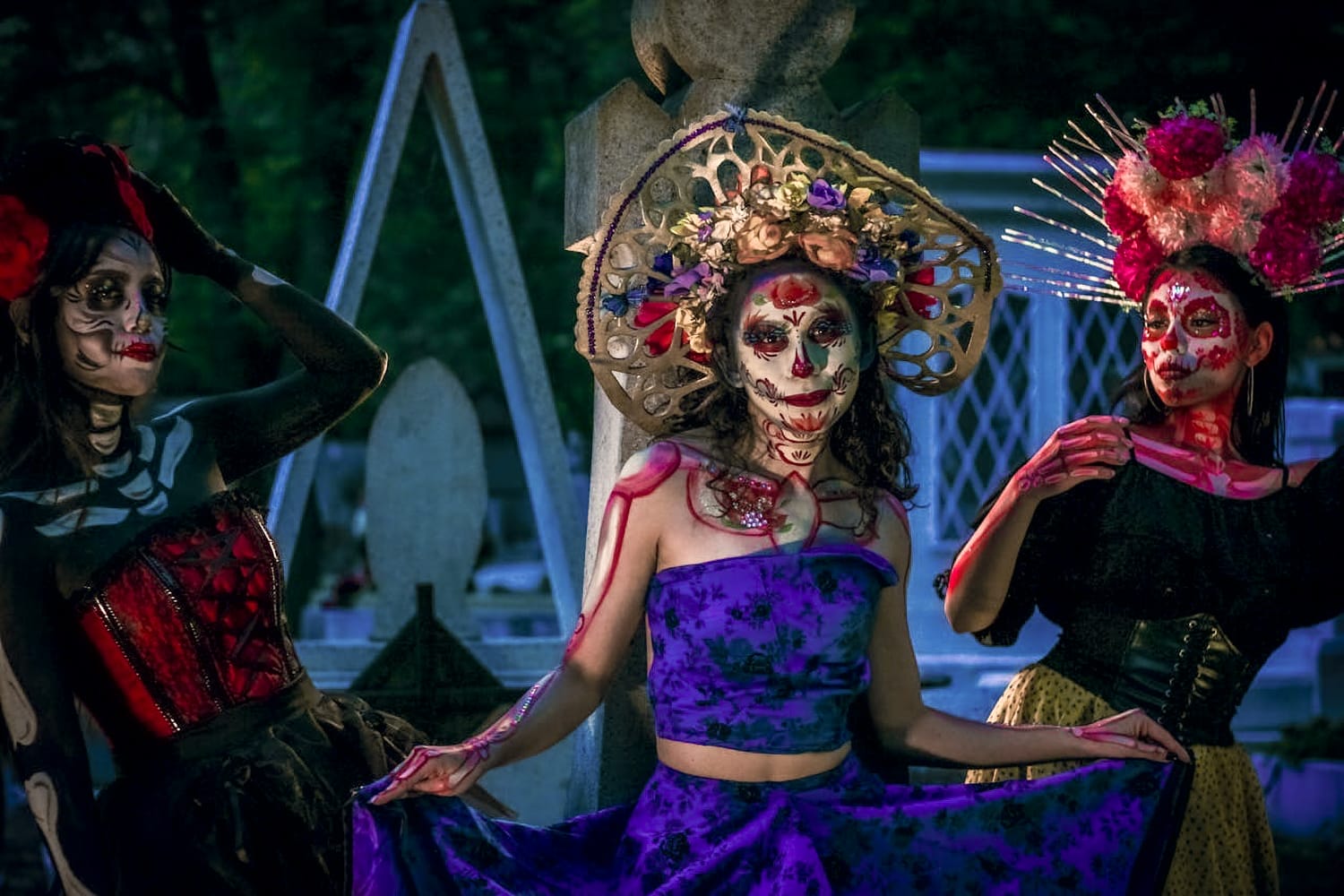
The Day of the Dead, or Día de los Muertos, is not a Mexican version of Halloween but a luminous commemoration that views death as a continuation of life. Its roots reach back thousands of years to pre-Columbian civilizations such as the Aztecs, Maya, and Toltecs, who believed death was part of the natural cycle rather than an end. Families buried loved ones with food, water, and tools to help them on their journey through the Land of the Dead.
When Spanish colonizers arrived in the 16th century, they sought to replace Indigenous rituals with Catholic holy days like All Saints’ and All Souls’ Day. Instead, the two traditions blended into a vibrant syncretic celebration observed on November 1 and 2. The result is a holiday that bridges ancient beliefs and Christian influences—an affirmation that love and remembrance transcend death.
In the nights leading up to Día de los Muertos, families build ofrendas—altars adorned with photographs, marigold petals, candles, and mementos. These offerings welcome the spirits of the departed back home. Each altar glows with color and meaning: marigolds (cempasúchil) symbolize the fragility of life, papel picado banners flutter like souls in the wind, candles represent fire, and a glass of water quenches the thirst of returning spirits. Favorite foods such as mole, tamales, and pan de muerto—a sweet bread flavored with orange blossom—join cups of atole or mezcal, inviting loved ones to feast once more.
Children often paint their faces as skulls and don flower crowns, transforming into La Catrina, the elegant skeleton figure popularized by artist José Guadalupe Posada. In cemeteries, families gather beside graves, lighting candles, telling stories, and sharing laughter late into the night. Musicians stroll between headstones strumming guitars and marimbas as prayers mingle with joy—an atmosphere that is both sacred and celebratory.
Across Mexico, Día de los Muertos unfolds in diverse ways. In Mexico City’s grand Plaza de la Constitución, parades of giant skeletal puppets and ornate floats wind through festive crowds. In the small town of Mixquic, families sprinkle marigold petals from the cemetery to their homes to guide returning souls. Along the U.S.–Mexico border, cities such as Los Angeles and Tucson host community festivals where Aztec dancers perform barefoot, their rhythmic steps echoing ancient ceremonies. Since UNESCO recognized Día de los Muertos as an Intangible Cultural Heritage of Humanity in 2008, its beauty and depth have resonated worldwide—yet its heart remains deeply personal, rooted in family, faith, and remembrance.
The Day of the Dead is as much about life as it is about death. It teaches that grief and joy can coexist—that remembering the dead keeps them alive within us. The holiday encourages reflection on mortality, gratitude, and love. The marigold’s scent, the flicker of candlelight, and the taste of pan de muerto become sensory bridges between worlds, reminding us that death does not sever our bonds but renews them through memory and ritual.
