National Pancake Week
February 16, 2026

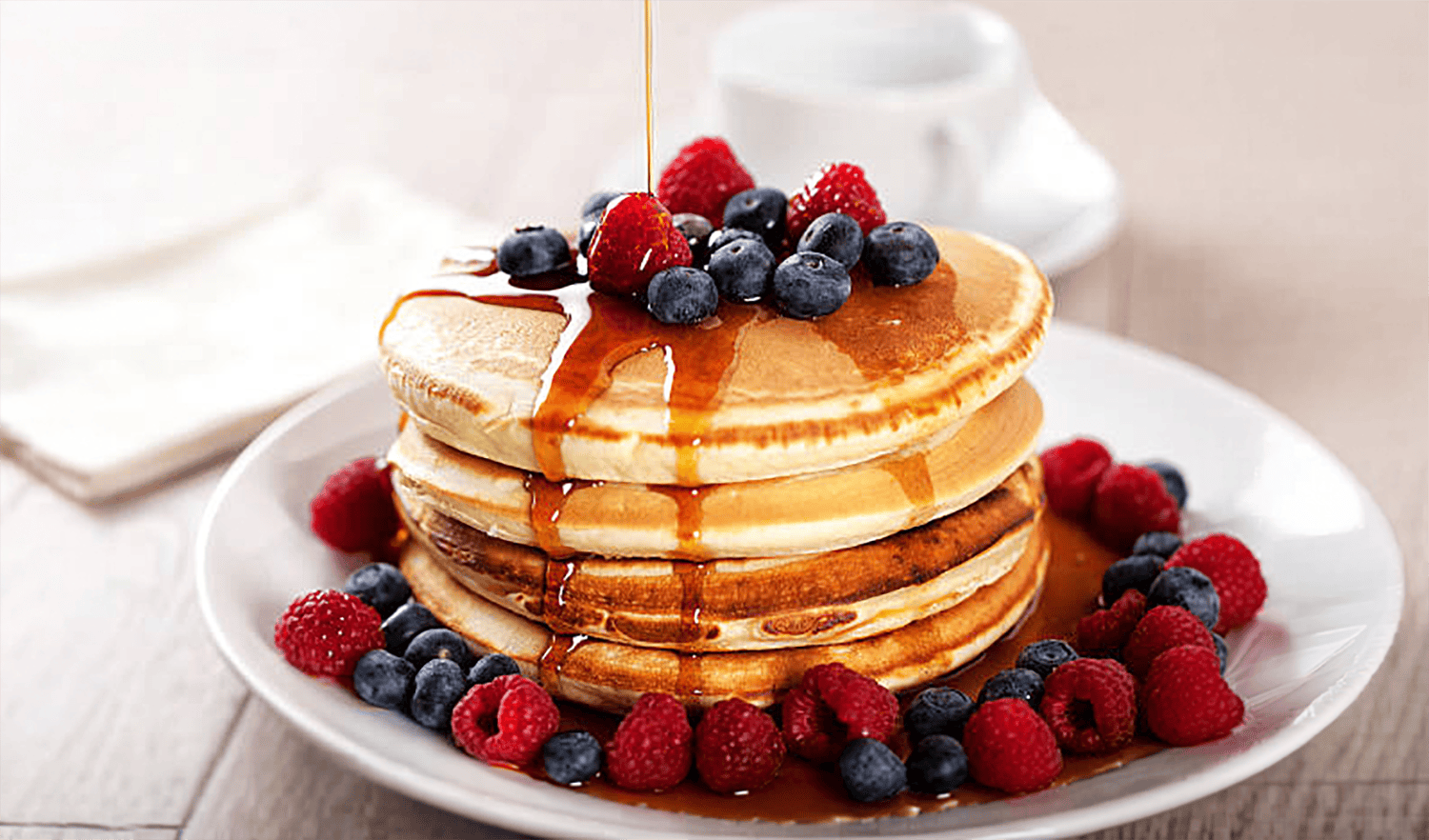
National Pancake Week is observed annually in early February and centers on one of the most universal food preparations in human history. Pancakes appear in some form across nearly every culture, shaped by local ingredients and cooking methods.
The earliest pancakes were made from ground grains mixed with liquid and cooked on heated stones or metal surfaces. These preparations predate ovens and leavening agents, making pancakes among the oldest cooked foods.
As milling and agriculture advanced, pancakes diversified. Leavened batters, enriched doughs, and regionally distinct styles emerged, from thin crepes to thick griddle cakes.
In many European traditions, pancakes became associated with pre-Lenten consumption, using up eggs and fats before periods of fasting. This connection reinforced their role as both practical and symbolic foods.
National Pancake Week reflects the global continuity and adaptability of this preparation.
Pancakes are culturally significant because they blur boundaries between staple and celebration. They can be simple or elaborate, depending on context.
In domestic life, pancakes often signal shared time. Their preparation typically involves attention and immediacy, encouraging communal eating.
Pancakes also demonstrate how technique travels. While ingredients change, the core method remains recognizable.
National Pancake Week highlights how simple preparations anchor diverse food traditions.
National Pancake Week remains relevant because pancakes continue to adapt across cultures and diets.
The observance reinforces the idea that foundational foods sustain continuity.
In a fragmented food culture, pancakes offer shared reference.
The week matters because it honors a preparation that transcends geography and time.
