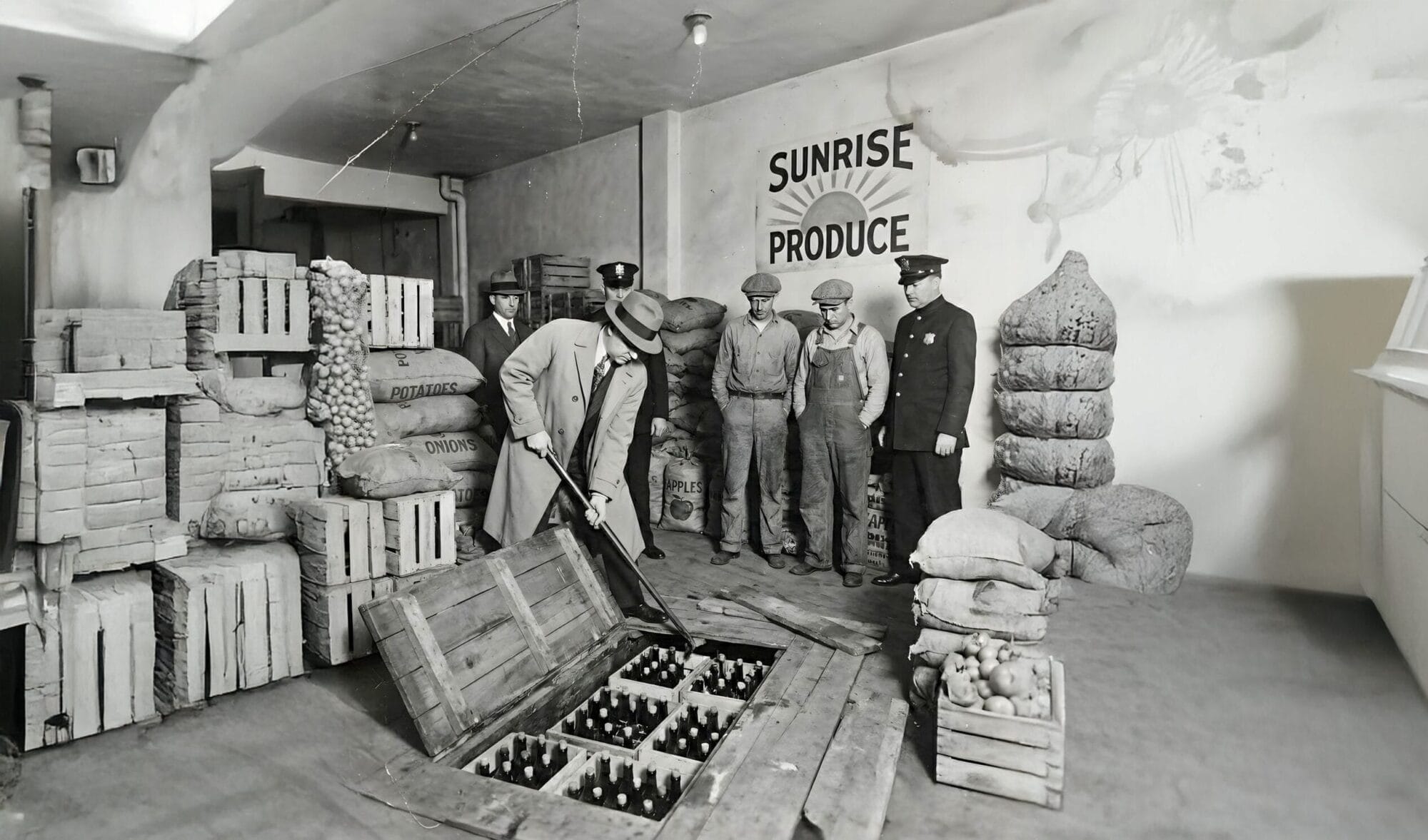
National Bootlegger’s Day
Prohibition and the Rise of the Bootlegger National Bootlegger’s Day, observed on January 17, looks back at a turbulent chapter in American history when alcohol was outlawed but never truly […]

Prohibition and the Rise of the Bootlegger National Bootlegger’s Day, observed on January 17, looks back at a turbulent chapter in American history when alcohol was outlawed but never truly […]

Colonial Roots of a Winter Warmer National Hot Buttered Rum Day, observed on January 17, celebrates a drink born from necessity, trade, and the realities of early American life. Rum […]

The Meaning Behind Soup Swap Day Soup Swap Day celebrates one of the simplest and most communal food traditions: cooking in quantity and sharing the results. The idea is straightforward. […]

The Origins of Fresh Juice and Human Nutrition National Fresh Squeezed Juice Week celebrates one of the simplest and oldest ways humans have extracted nourishment from plants. Long before blenders, […]

Origins and Early History of Popeye Day Popeye Day is observed annually on January 17 and honors one of the most recognizable characters in American popular culture. Popeye the Sailor […]
The Rise of Gourmet Coffee National Gourmet Coffee Day celebrates how coffee evolved from a basic commodity into a craft defined by origin, technique and intentional flavor. For much of […]
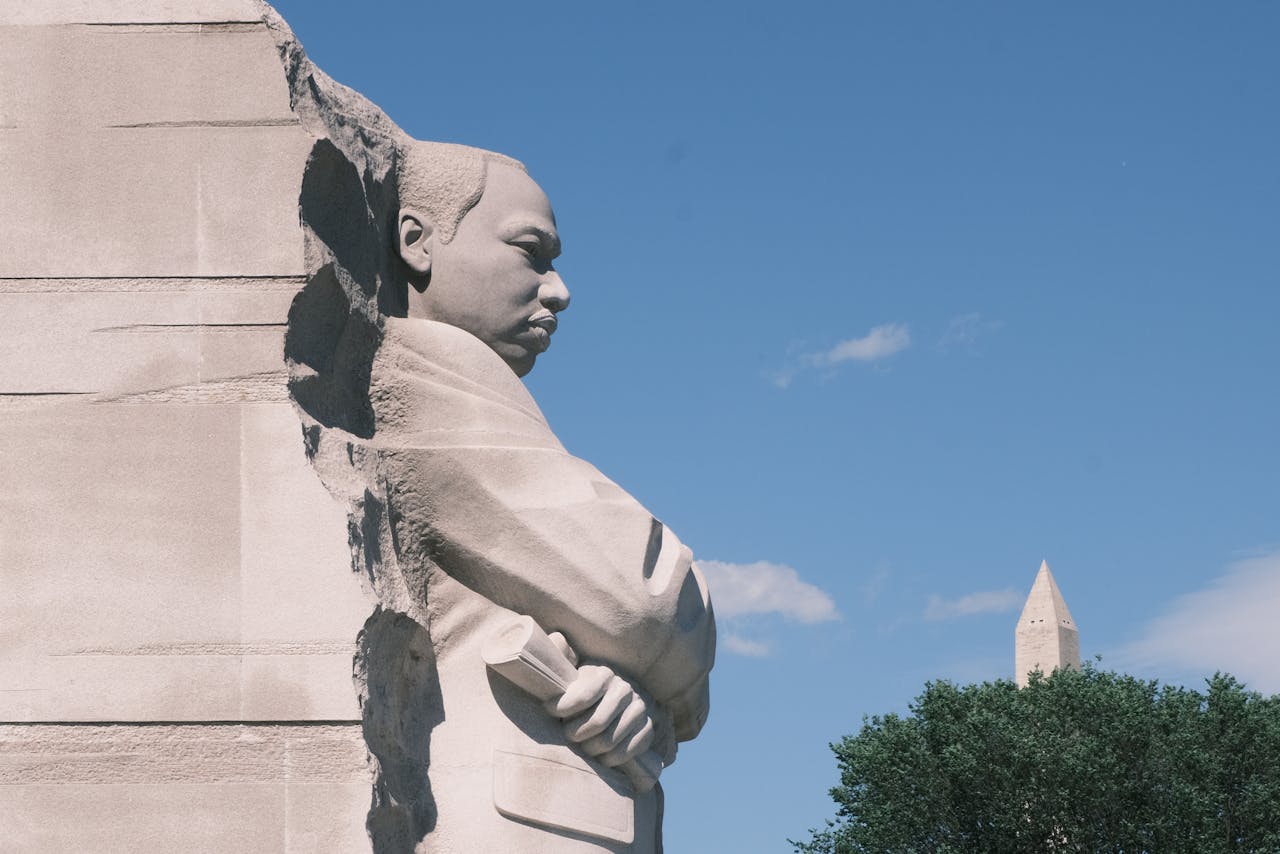
Honoring a Legacy of Justice, Courage, and Service Martin Luther King Jr. Day is the only U.S. federal holiday dedicated to a private citizen — and the only one formally […]

The Imperial Origins of Peking Duck National Peking Duck Day celebrates one of the most iconic and carefully refined dishes in Chinese cuisine. Peking duck traces its roots to imperial […]

Popcorn’s Ancient Roots and Cultural Journey National Popcorn Day celebrates one of the oldest snack foods in human history, long before it became synonymous with movie theaters and sporting events. Archaeological evidence shows that popcorn was enjoyed by Indigenous peoples in the Americas thousands of years ago. Corn itself was domesticated in southern Mexico more […]
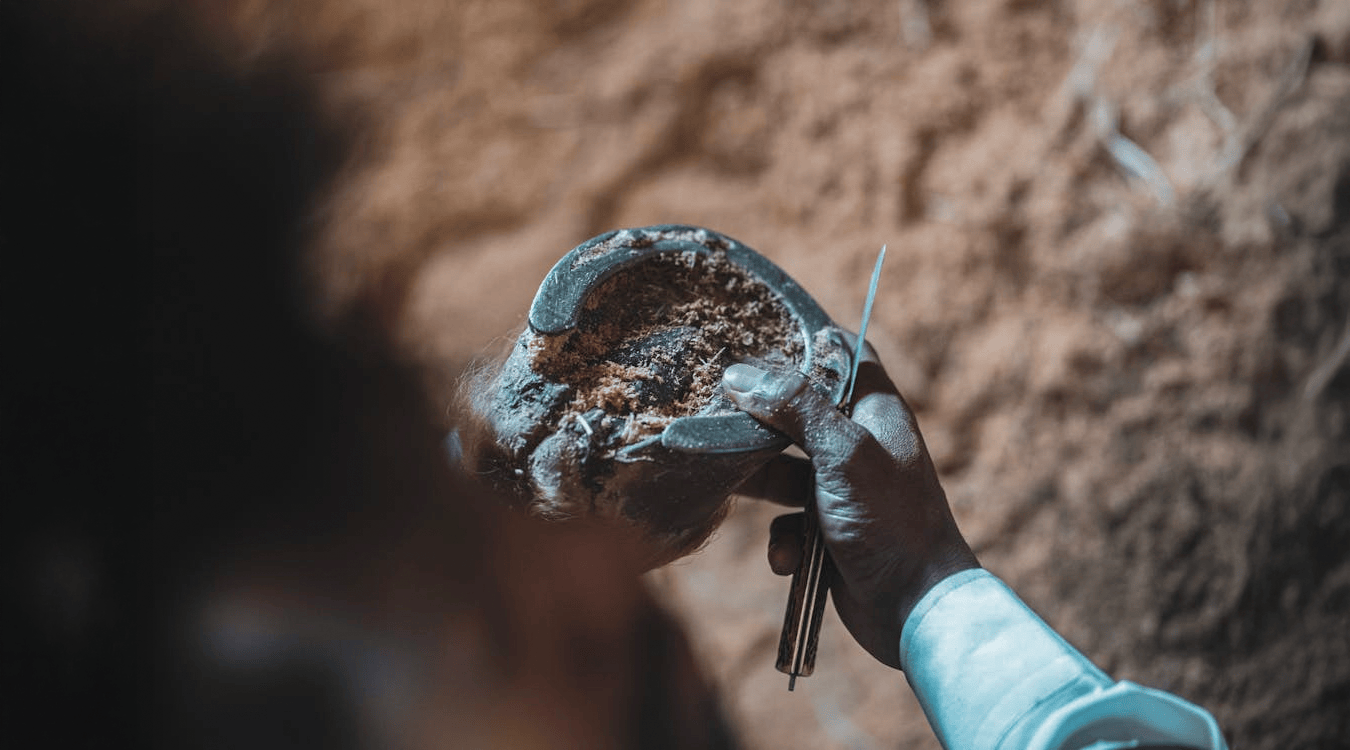
Origins and Historical Background of International Hoof Care Week International Hoof Care Week is observed annually during the second week of January and focuses on the health and maintenance of hooves in domesticated animals, particularly horses, cattle, sheep, and goats. The observance emerged from agricultural and veterinary communities seeking to raise awareness about a critical […]

Origins and Development of No Name-Calling Week No Name-Calling Week is observed annually as a week-long observance focused on reducing bullying and verbal harassment, particularly among children and adolescents. The observance was initiated by educators and advocacy organizations seeking to address the emotional harm caused by persistent teasing and labeling. The week is closely associated […]

Origins and Cultural Background of Brew Monday Brew Monday is observed annually on the third Monday of January and centers on the social and emotional role of tea drinking. The observance emerged in the United Kingdom during the early twenty-first century as an informal counterpoint to narratives that frame January as a period of decline […]