• Polar Bear Week

    Honoring the Kings of the Arctic Polar Bear Week, observed each year during the first full week of November, shines a light on one of the world’s most majestic yet vulnerable animals. Timed to coincide with the annual polar bear migration toward Hudson Bay, Canada—where bears gather near Churchill to await the freeze-up—this week raises […]

  • Hanukkah

    A Festival of Light Born from Courage and Restoration Hanukkah returns each year as a warm, flickering beacon against the deepening nights of winter. Its story reaches back to the second century BCE, when the Seleucid ruler Antiochus IV Epiphanes outlawed Jewish practice and desecrated the Second Temple in Jerusalem. In response, a small group […]

  • Christmas Bird Count Week

    A Tradition Rooted in Conservation Christmas Bird Count Week is one of the longest-running citizen science efforts in the world, transforming casual birdwatching into meaningful conservation data. The tradition began in 1900 when ornithologist Frank Chapman proposed a new idea: instead of the popular holiday “side hunts,” where birds were shot competitively, people would count […]

  • Super Saturday

    The Final Sprint of the Holiday Shopping Season Super Saturday — sometimes called Panic Saturday — is the last Saturday before Christmas, a day when millions of shoppers flood stores and websites to complete their gift lists. Falling this year on December 20, it stands as one of the busiest retail days of the season, […]

  • Unchain a Dog Month

    Unchain a Dog Month

    Why Chaining Dogs Causes Harm Unchain a Dog Month, observed every January, draws attention to a practice that remains common yet deeply harmful: keeping dogs tethered for long periods of time. While some people believe chaining is a practical way to control a dog or keep them safe outdoors, research and decades of animal welfare […]

  • National Croissant Day

    National Croissant Day

    The Origins of the Croissant The croissant is one of the most recognizable pastries in the world, defined by its crescent shape, delicate flake and unmistakable butter aroma. While it is closely associated with France, its story begins elsewhere in Europe. Crescent shaped breads existed long before the croissant, most notably the Viennese kipferl, a […]

  • Yodel For Your Neighbors Day

    Origins and Cultural Background of Yodel for Your Neighbors Day Yodel for Your Neighbors Day is observed annually on January 25 and is a lighthearted observance rooted in a much older musical tradition. While the holiday itself is modern and informal, yodeling as a vocal practice has existed for centuries, particularly in Alpine regions of […]

  • National Hot Chocolate Day

    A Warming Drink With Ancient Origins National Hot Chocolate Day, celebrated on January 31, honors a beverage that has brought comfort and warmth to people for more than two millennia. The earliest known chocolate drink dates back to around 1500 BC, created by the Olmec civilization in what is now Mexico. Later, the Maya and Aztecs refined […]

  • National Meat Week

    National Meat Week

    The Role of Meat in Human History National Meat Week explores one of humanity’s oldest and most influential food sources. Long before agriculture, early humans relied on hunted meat for survival. Animal protein provided dense nutrition, essential fats and minerals that supported brain development and physical endurance. Archaeological evidence shows that cooperative hunting and meat […]

  • International Zebra Day

    International Zebra Day

    Origins and Background of International Zebra Day International Zebra Day is observed annually on January 31 and is dedicated to raising awareness about zebra conservation and the challenges facing zebra species in the wild. The observance emerged from wildlife conservation efforts rather than from a single founding organization or historical event. Zebras are native to […]

  • Black History Month

    Black History Month

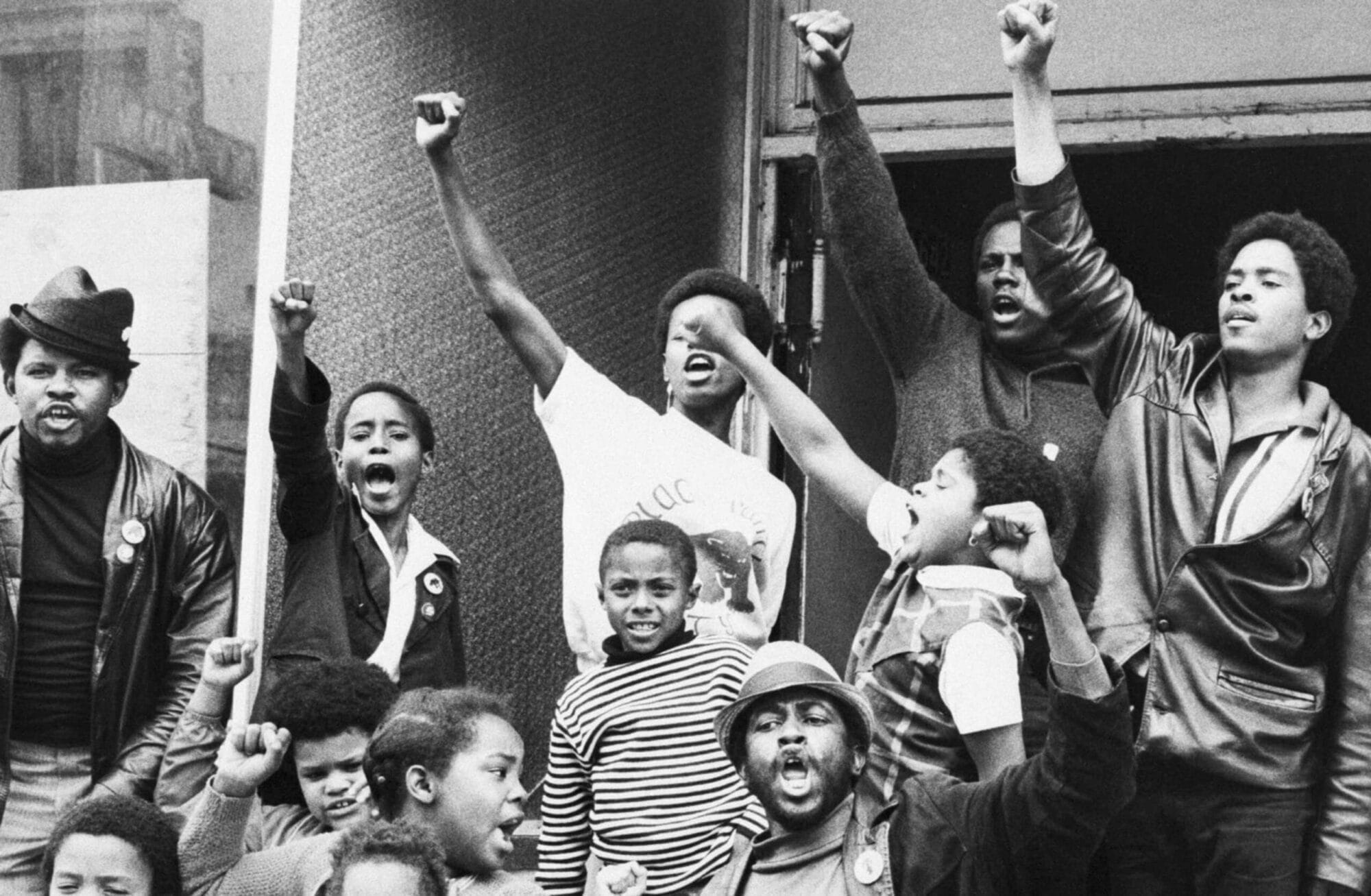
    Origins and Historical Development of Black History Month Black History Month is observed annually in February in the United States and originated as a scholarly and educational initiative rather than a commemorative festival. The observance traces its roots to historian Carter G. Woodson, who in 1926 established Negro History Week to address the systematic exclusion […]

  • La Poutine Week

    La Poutine Week

    Origins and Historical Background of La Poutine Week La Poutine Week is observed annually in early February and celebrates poutine, a dish that originated in Quebec and has become one of Canada’s most recognizable culinary exports. The observance emerged in the early twenty-first century as a modern food festival rather than a historical commemoration, reflecting […]