National Crabmeat Day
March 9, 2026

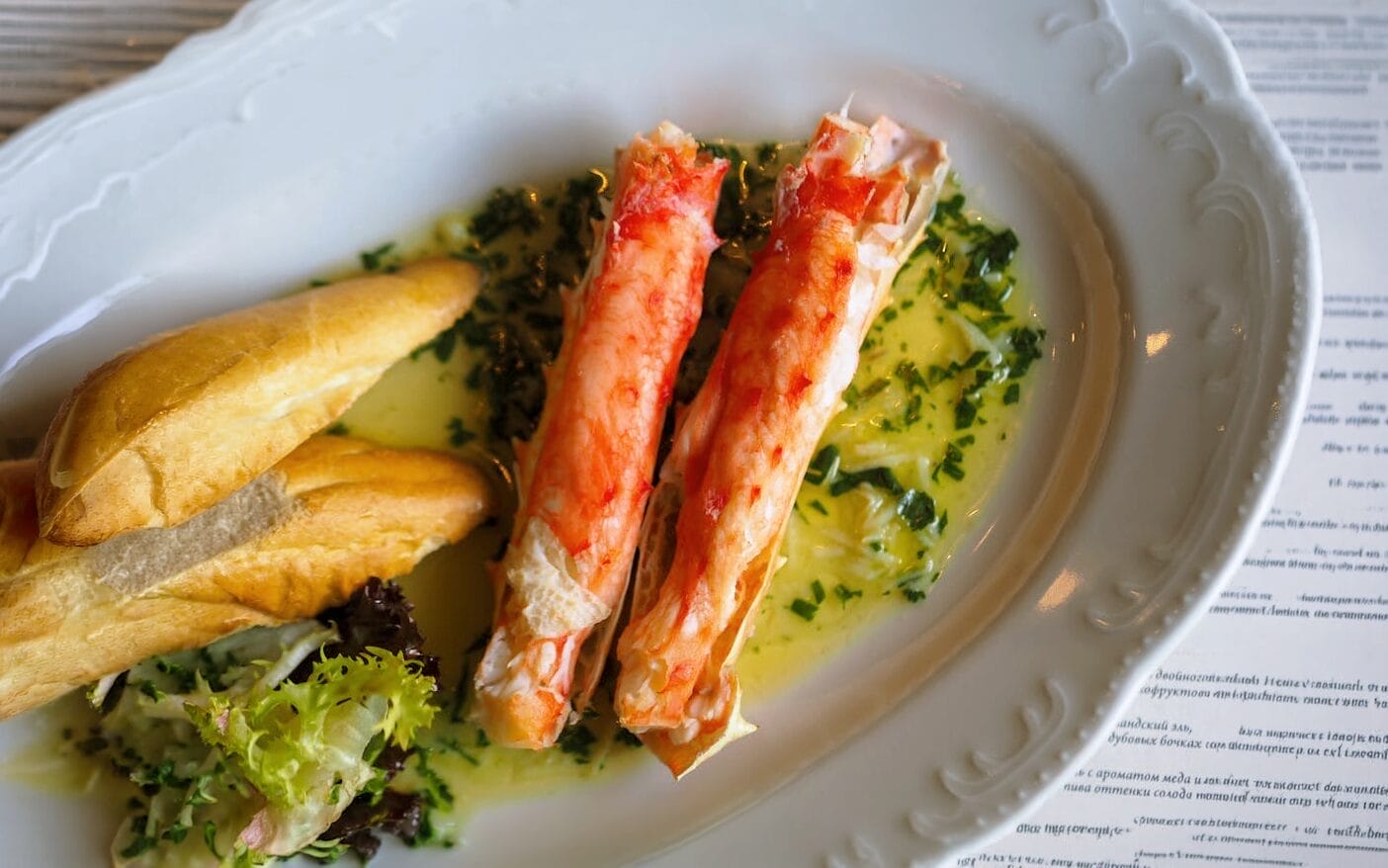
National Crab Meat Day is observed annually in March and celebrates a seafood ingredient that reflects coastal ecology, regional fishing economies, and delicate culinary technique. National Crab Meat Day highlights crab as more than a luxury seafood item. It represents complex harvesting systems, seasonal regulations, and skilled preparation that transforms a hard-shelled crustacean into tender, sweet meat.
Crab harvesting has deep roots in coastal communities worldwide. From the Atlantic blue crab fisheries of the United States to Dungeness crab along the Pacific Coast and various species across Asia and Europe, crabbing traditions developed around local waters and seasonal migration patterns. Crab populations depend on marine ecosystems that are sensitive to temperature shifts, salinity levels, and breeding cycles.
The ingredient microhistory central to National Crab Meat Day is the crab itself, particularly the blue crab in American culinary identity. Blue crabs inhabit estuarine environments where freshwater and saltwater mix. Their lifecycle includes molting stages, during which soft-shell crabs can be consumed whole. Hard-shell crabs require steaming or boiling to extract the meat, a labor-intensive process that shaped regional food customs.
Migration and trade influenced crab meat distribution. Coastal harvesting communities historically consumed crab locally due to its perishability. Advances in refrigeration and ice storage allowed crab meat to travel inland, expanding demand. Pasteurized canned crab meat further extended shelf life, enabling broader retail distribution without compromising safety.
Technological inflection points reshaped crab markets. Modern traps and sustainable management practices regulate catch sizes and protect breeding populations. Cold chain logistics preserve freshness, while mechanical picking processes assist but do not entirely replace hand labor, especially for premium lump meat.
National Crab Meat Day reflects the intersection of marine biology, regional identity, and culinary appreciation. It acknowledges the effort required to bring crab from tidal waters to the plate.
National Crab Meat Day highlights the economic importance of crab fisheries. In regions such as Maryland, Louisiana, Alaska, and parts of Asia, crab harvesting supports local employment and export revenue. Seasonal closures and size regulations are critical to maintaining sustainable populations, illustrating how seafood markets depend on ecological balance.
Sensory anthropology explains crab’s appeal. Crab meat offers a delicate sweetness and flaky texture distinct from many other shellfish. The contrast between firm claw meat and tender lump body meat creates culinary versatility. Crab’s subtle brininess carries the taste of its habitat, making freshness crucial.
Agricultural analogies apply even to seafood. Just as crops depend on soil and weather, crab populations depend on water quality and habitat preservation. Pollution, overfishing, and climate change directly affect crab availability and pricing. These pressures influence restaurant menus and retail cost structures.
Regional comparisons show diversity in preparation. Chesapeake Bay traditions emphasize steamed crabs seasoned heavily. Pacific Coast cuisine may feature Dungeness crab in chilled salads or warm butter dips. Asian cuisines incorporate crab into soups, stir-fries, and curries. Each preparation reflects local flavor systems and harvesting traditions.
A misconception worth correcting is that crab meat is always harvested sustainably. Overfishing and habitat damage have historically threatened some crab species. National Crab Meat Day can responsibly emphasize sustainable sourcing and adherence to fishery guidelines.
Economic resilience appears in crab’s adaptability across price tiers. While fresh lump crab may be premium, canned or processed crab allows broader access. This tiered system supports fishermen, processors, and retailers across multiple market segments.
Pre-industrial era: Coastal communities harvest crab using simple traps and consume locally due to perishability.
19th century: Ice storage expands seafood transport, allowing crab meat to move inland.
Early 20th century: Canning technology increases shelf stability and market reach.
Mid 20th century: Modern refrigeration and transport networks standardize seafood distribution.
Late 20th century: Sustainability regulations and quota systems are implemented to protect crab populations.
21st century: Traceability systems and certification programs influence consumer purchasing decisions.
Present day: Climate change impacts water temperatures, influencing crab migration and harvest timing.
National Crab Meat Day matters today because it highlights the ecological complexity behind seafood consumption. Crab harvesting is not simply extraction. It requires careful management to maintain species health and coastal livelihoods.
Modern supply chains ensure year-round availability in many regions, yet that availability depends on refrigeration, fuel, and regulatory compliance. Disruptions in any of these areas can quickly affect pricing and supply.
Sensory anthropology reinforces crab’s enduring popularity. The sweet, flaky texture feels indulgent yet light, making it adaptable across cuisines and dietary preferences.
Misconceptions about seafood sustainability can be addressed through the holiday by encouraging informed sourcing and awareness of fishery certifications.
Economic resilience remains visible in crab’s tiered market structure, which supports both local fishermen and global trade networks.
National Crab Meat Day matters because it honors the connection between marine ecosystems and culinary tradition, recognizing crab as both ecological resource and cultural ingredient.


