National Potato Chip Day
March 14, 2026

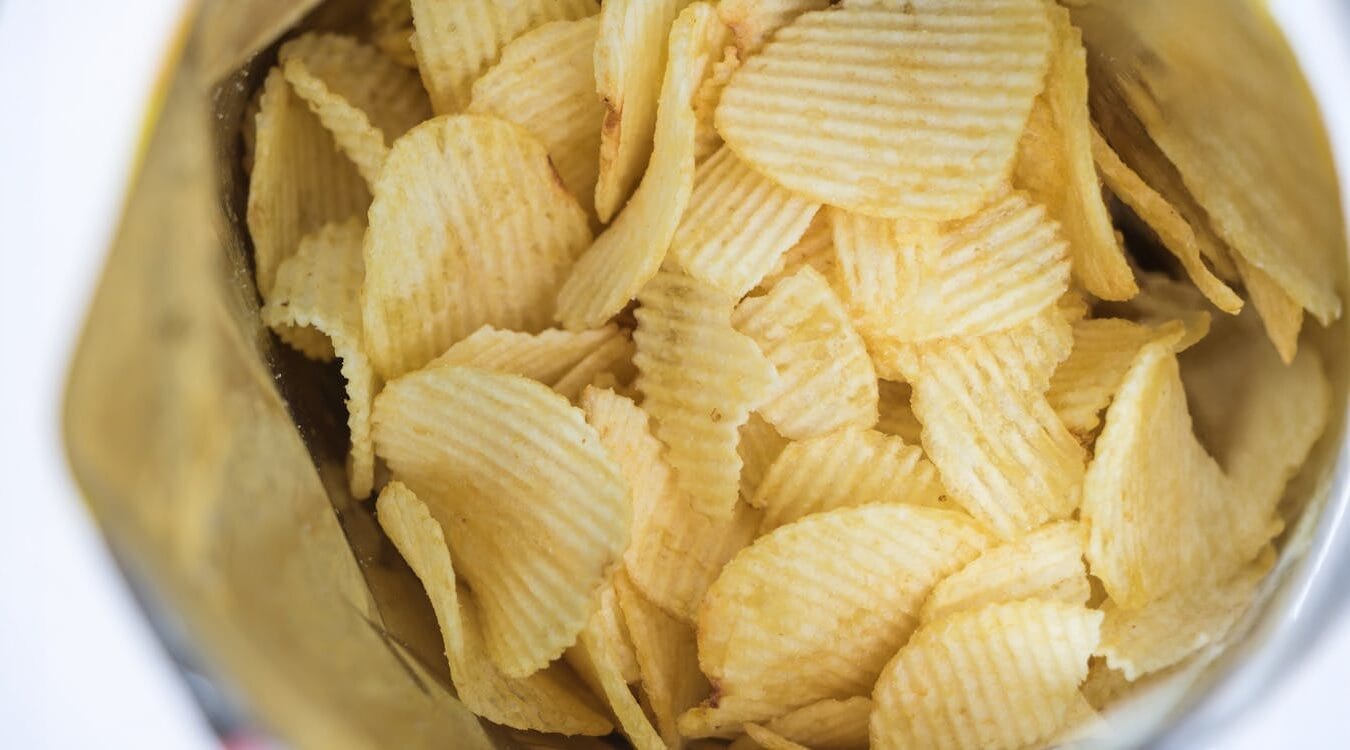
National Potato Chip Day is observed each year on March 14 and celebrates one of the most recognizable snack foods in modern food culture. National Potato Chip Day highlights the potato chip not simply as a casual snack, but as a product of agricultural innovation, industrial food processing, and evolving consumer habits. The thin, crisp slices of fried potato that define the chip represent a combination of crop cultivation, cooking technique, and large-scale distribution systems that transformed a simple vegetable into a global snack category.
The potato itself originated in the Andean regions of South America, where Indigenous farmers cultivated numerous varieties thousands of years ago. Spanish explorers introduced potatoes to Europe in the sixteenth century, and from there the crop spread widely due to its adaptability and nutritional density. By the nineteenth century, potatoes had become a staple food throughout North America and Europe.
The ingredient microhistory central to the potato chip is the starchy potato tuber. When sliced thin and exposed to hot oil, the potato’s natural starches gelatinize and moisture evaporates, producing a crisp structure. This transformation is driven by heat and oil interacting with starch molecules, creating the characteristic crunch associated with potato chips.
The origin story often associated with potato chips points to Saratoga Springs, New York, in the mid-nineteenth century, where thinly sliced fried potatoes reportedly emerged as a response to customer preferences for crispness. Regardless of the exact details, thin fried potato slices quickly gained popularity in restaurants and resorts before moving into commercial production.
Technological inflection points shaped the modern potato chip industry. Mechanical slicers improved consistency in thickness, while industrial fryers allowed large batches to be cooked evenly. Packaging innovations, particularly sealed bags filled with inert gas, helped maintain freshness and prevent breakage during transport.
National Potato Chip Day reflects the transformation of an agricultural staple into a widely consumed snack through advances in food technology and distribution.
National Potato Chip Day highlights the agricultural foundation of the snack industry. Potatoes are among the most widely cultivated crops in the world due to their adaptability to diverse climates and soils. Large-scale potato farming supplies both fresh markets and specialized varieties bred specifically for chip production.
Sensory anthropology explains the enduring appeal of potato chips. The crisp texture results from rapid dehydration during frying, while salt enhances flavor by amplifying the potato’s natural starch sweetness. The thin structure also increases surface area, intensifying both crunch and seasoning impact.
Economically, potato chips represent a significant segment of the snack food industry. Processing plants transform raw potatoes into packaged products that can be stored and distributed widely. The combination of relatively inexpensive raw ingredients and strong consumer demand has made potato chips a stable commercial product.
Regional comparisons reveal diversity in potato chip styles. Some varieties emphasize kettle cooking for thicker chips and deeper flavor, while others rely on continuous frying systems that produce lighter, thinner chips. Seasonings vary globally, reflecting local culinary preferences.
A misconception worth correcting is that potato chips are nutritionally identical across brands. Differences in oil type, slicing thickness, and seasoning formulas create variation in flavor and composition.
Economic resilience also contributes to the snack’s longevity. Potato chips rely on shelf-stable packaging and long supply chains, making them adaptable to fluctuating agricultural conditions and retail environments.
Ancient era: Indigenous civilizations in the Andes cultivate potatoes as a primary food crop.
16th century: Potatoes spread to Europe through Spanish exploration and trade.
19th century: Potatoes become widely cultivated in North America and Europe.
Mid-19th century: Thin fried potato slices appear in restaurants and resorts in the United States.
Early 20th century: Commercial chip production expands with mechanical slicers and frying equipment.
Mid 20th century: Sealed packaging and national distribution networks expand chip availability.
21st century: Flavor innovation and artisanal chip production diversify the market.
National Potato Chip Day matters today because it highlights how agricultural staples evolve into major snack categories through industrial food processing and consumer demand. Potato chips illustrate how food technology can transform a simple crop into a globally recognized product.
Modern supply chains ensure that potatoes grown on farms reach processing facilities and retail shelves efficiently. However, agricultural yields remain sensitive to weather patterns and soil conditions, influencing chip production costs.
Sensory anthropology reinforces the appeal of crunchy snack foods. The crisp texture and salty flavor trigger satisfaction signals that make chips a frequent choice for casual eating.
Misconceptions about potato chips often focus solely on indulgence, overlooking the agricultural and technological systems that make the product possible.
Economic resilience remains strong because potato chips are affordable, portable, and shelf-stable, qualities that support consistent demand.
National Potato Chip Day matters because it recognizes the journey from potato field to snack aisle, illustrating the intersection of farming, food processing, and everyday eating culture.


