National Pound Cake Day
March 4, 2026

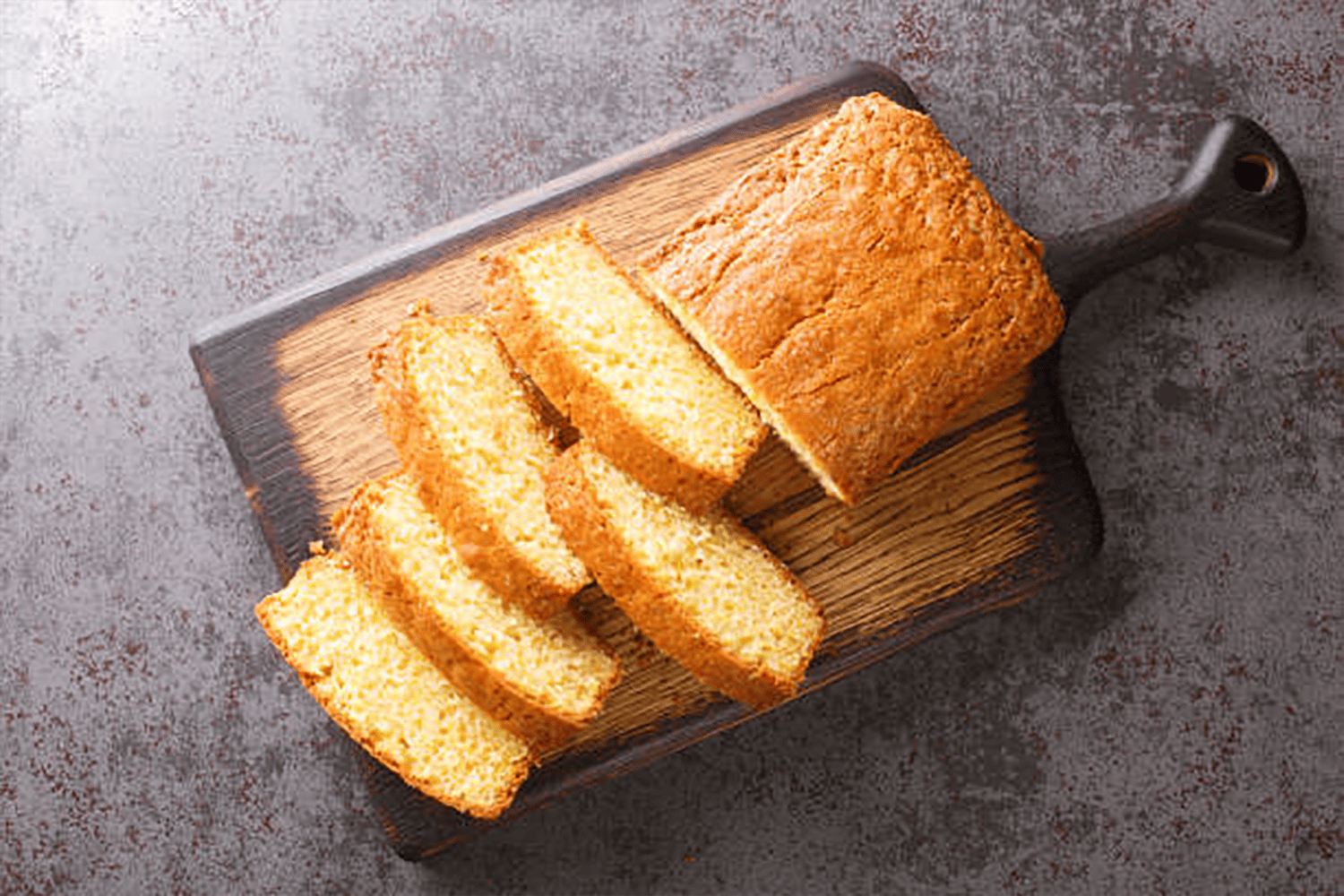
National Pound Cake Day is observed annually on March 4 and celebrates a cake style built on proportion, pantry stability, and the historical logic of simple ratios. National Pound Cake Day highlights a dessert that began as a practical formula and became a cultural staple across multiple regions, with variations shaped by ingredients, technology, and changing taste preferences.
Pound cake emerged in Europe in the eighteenth century as a recipe structured around equal weights of four ingredients: flour, butter, eggs, and sugar. The “pound” referred to the quantity, creating a memorable ratio that could be scaled without written recipes. In an era when many households cooked by memory and experience, the pound cake formula functioned as a reliable instruction system.
The ingredient microhistory that matters most for pound cake is refined sugar. Sugar became more accessible through expanding production and refinement systems, and its availability changed baking by enabling lighter textures and longer shelf life. Butter also played a structural role, providing fat that tenderizes crumb and carries aroma. Egg proteins provided lift and structure, turning a dense batter into a cohesive cake.
Migration and trade helped pound cake travel and transform. As European baking traditions moved into North America, pound cake adapted to new ovens, new flours, and different dairy availability. In the American South, pound cake became closely linked to hospitality and celebrations, often served plain or dressed with fruit, glaze, or cream depending on local customs.
Technological inflection points changed pound cake’s texture over time. Improvements in milling created finer flour, leading to smoother crumb. Chemical leaveners like baking powder later allowed variations that were lighter than the original dense form. Mechanical mixers and consistent oven temperatures made it easier to achieve reliable aeration and even baking, shaping modern expectations of pound cake texture.
National Pound Cake Day reflects pound cake’s unique status as both old and modern. It is old in its ratio logic, but modern in the way equipment and ingredients have refined what people think a pound cake should feel like.
National Pound Cake Day highlights pound cake as a template dessert, one that uses staple ingredients many households can access. That accessibility matters economically. Pound cake emerged as a dependable cake for gatherings because it could be baked without rare ingredients and because it holds well, making it suitable for events where timing and transport matter.
Agriculture underpins every element. Flour ties to wheat farming and milling infrastructure. Butter and eggs tie to dairy and poultry systems dependent on refrigeration and transport. Sugar ties to cane or beet cultivation with long trade histories. The cake looks simple, but it is built on large agricultural networks that became reliable enough to support everyday baking.
Sensory anthropology explains the cake’s appeal. Pound cake is not built for dramatic frosting spectacle. It is built for crumb satisfaction: buttery aroma, tight but tender texture, and a slice that feels substantial without being heavy in the wrong way. The balance of fat and sugar creates a slow-release richness that pairs naturally with coffee, tea, or fruit.
Regional comparisons reveal how pound cake adapts while keeping its identity. Some traditions emphasize citrus zest for brightness. Others emphasize vanilla as the baseline. Some versions incorporate sour cream, cream cheese, or buttermilk to soften crumb and add tang. These adjustments reflect regional dairy availability and taste preferences, but the underlying idea remains proportion and structure.
A misconception worth correcting is that pound cake is always made with exactly a pound of each ingredient. Modern versions often adjust ratios for moisture, sweetness, and rise. Another misconception is that pound cake is supposed to be light like sponge cake. Pound cake is intentionally denser, and that density is part of its cultural role as a sturdy, sliceable cake that travels well.
Economic resilience is part of pound cake’s history. In periods when elaborate desserts were impractical, pound cake remained achievable and celebratory. Its ability to be served plain or dressed up with seasonal fruit makes it adaptable to both budget and occasion. National Pound Cake Day recognizes that resilience as a reason the cake remains widely baked and widely loved.
18th century: Pound cake emerges as an equal-weight ratio recipe, enabling consistent results without written instructions.
19th century: Improved milling produces finer flour and more consistent crumb, while sugar becomes more accessible to broader households.
Late 19th to early 20th century: Chemical leaveners influence lighter cake variants, shifting expectations about density.
Mid 20th century: Mechanical mixers and standardized ovens improve aeration control and baking consistency.
Late 20th century: Cream cheese, sour cream, and other dairy-enriched pound cakes become popular for moisture and tang.
21st century: Ingredient transparency and heritage baking trends revive interest in classic ratios and high-quality butter and flour.
Present day: Pound cake remains a staple for celebrations because it balances simplicity, reliability, and sensory richness.
National Pound Cake Day matters today because pound cake represents one of the clearest examples of ratio-based baking, a style of cooking that is both accessible and educational. The cake teaches how flour, fat, sugar, and eggs interact to create structure, tenderness, and flavor without relying on complex decoration.
Modern supply chains keep staple ingredients widely available, but price volatility can shift baking behavior. When eggs or butter become expensive, pound cake becomes a lens for how households adapt through scaling, substitution, or choosing simpler desserts. The cake’s resilience is partly because it can be made in many forms and still be recognizable.
Sensory anthropology remains central to its staying power. The aroma of butter and sugar during baking, the golden crust, and the tight crumb that slices cleanly are cues that signal reliability and care. Pound cake is often served in contexts where the food is meant to feel steady and familiar rather than flashy.
Misconceptions about pound cake as outdated overlook how it continues to evolve. Modern bakers adjust sweetness, incorporate citrus, add dairy tang, or emphasize high-quality vanilla. These changes keep the cake current while preserving its identity as a butter-forward, sliceable dessert.
Economic resilience also keeps pound cake relevant. It is cost-effective compared with elaborate layer cakes, yet it still carries celebration energy. It stores and travels well, making it practical for gatherings, gifting, and community events.
National Pound Cake Day matters because it honors a dessert built on proportion and permanence, a cake that has survived centuries of ingredient change and kitchen technology while remaining recognizable in the first bite.