Popcorn Lover’s Day
March 12, 2026

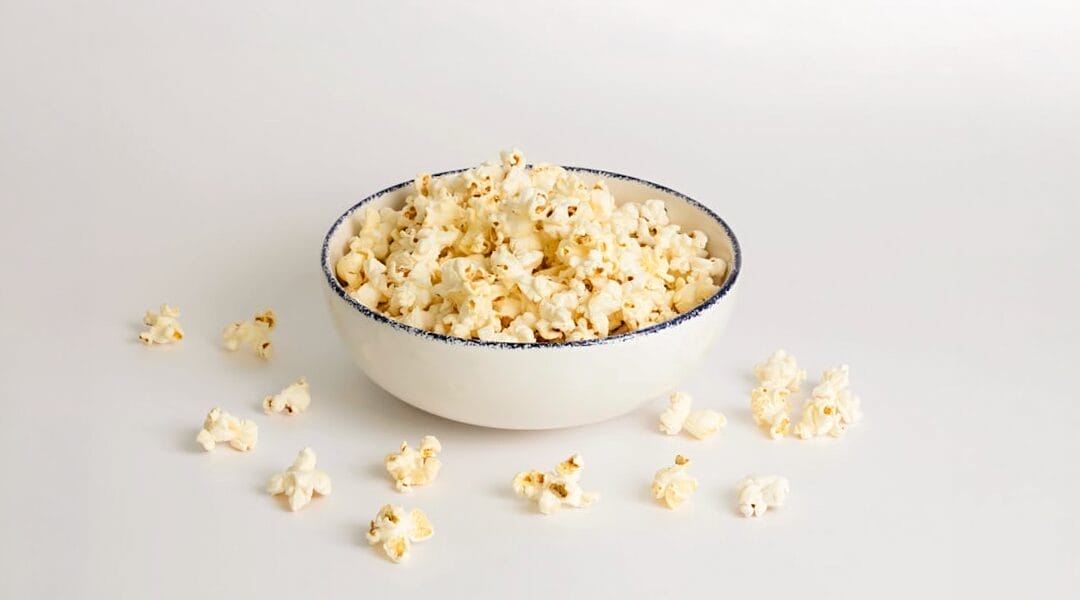
Popcorn Lover’s Day is observed each year on March 9 and celebrates one of the oldest and most enduring snack foods in the world. Popcorn Lover’s Day highlights popcorn not simply as a movie theater treat, but as a product of ancient agriculture, grain science, and modern entertainment culture. Unlike most snack foods that emerged through industrial processing, popcorn depends on a natural physical transformation built into a specific variety of corn.
Popcorn comes from a type of maize known as Zea mays everta, which contains a hard outer shell and a dense starchy interior. When heated, moisture trapped inside the kernel turns to steam. As pressure builds, the kernel eventually ruptures, causing the starch to expand and solidify into the fluffy structure recognized as popped corn. This transformation is essentially a small-scale pressure explosion driven by water vapor and starch gelatinization.
The ingredient microhistory central to Popcorn Lover’s Day is maize itself. Corn was domesticated thousands of years ago in Mesoamerica, where Indigenous farmers selectively bred wild grasses into the maize varieties known today. Archaeological evidence shows that popcorn was consumed long before European contact, making it one of the earliest documented snack foods in the Americas.
Migration and trade carried corn across continents after the Columbian Exchange in the sixteenth century. As maize cultivation spread, different varieties were developed for specific uses, including sweet corn for fresh eating, dent corn for livestock feed, and popcorn varieties suited for popping. The resilience of maize as a crop allowed popcorn to remain widely available and affordable.
Technological inflection points reshaped how popcorn was prepared and consumed. Early methods involved heating kernels in clay pots or over open flames. In the nineteenth century, specialized popcorn poppers appeared, making it easier to prepare the snack in homes and street markets. Later, electric popcorn machines and microwave popcorn expanded accessibility.
Popcorn Lover’s Day reflects this long journey from ancient grain to modern snack staple, demonstrating how agricultural innovation and simple physics combine to create a food that remains widely loved.
Popcorn Lover’s Day highlights the economic importance of maize agriculture. Corn is one of the most widely grown crops in the world, supporting food production, livestock feed, and industrial products. Popcorn represents a specialized segment of this agricultural system, grown specifically for kernels that pop reliably.
Sensory anthropology explains popcorn’s enduring appeal. When kernels pop, they release a toasted aroma created by the Maillard reaction and starch caramelization. The resulting snack combines crisp texture, warmth, and lightness, creating a sensory experience that feels satisfying without being heavy.
Economically, popcorn is one of the most efficient snack foods. A small quantity of kernels expands dramatically when heated, producing a large volume of food from relatively little raw material. This efficiency made popcorn attractive to street vendors in the nineteenth century and later to movie theaters seeking high-margin concession items.
Regional comparisons show how popcorn adapts to different culinary traditions. In the United States, buttered popcorn is closely associated with cinema culture. In parts of Latin America, popcorn may be lightly salted or sweetened with caramel. In Asia, variations include seaweed seasoning or sugar glazes. These differences illustrate how a simple grain-based snack adapts to regional flavor preferences.
A misconception worth correcting is that popcorn is a modern invention. Archaeological evidence indicates that popcorn was consumed in the Americas long before industrial food systems emerged. Another misconception is that all corn can pop. Only specific popcorn varieties contain the moisture and hull structure necessary for the popping reaction.
Economic resilience also plays a role in popcorn’s popularity. Because kernels store well and require minimal processing, popcorn remains affordable and accessible even when other snack ingredients fluctuate in price.
Ancient period: Indigenous cultures in Mesoamerica cultivate maize and consume early forms of popped corn.
16th century: Maize spreads globally following the Columbian Exchange.
19th century: Street vendors and fairs popularize popcorn in North America.
Late 19th century: Mechanical popcorn poppers are introduced, improving efficiency.
Early 20th century: Popcorn becomes strongly associated with movie theaters during the Great Depression.
Late 20th century: Microwave popcorn expands home consumption.
21st century: Gourmet popcorn varieties introduce new flavors and premium packaging.
Popcorn Lover’s Day matters because it highlights the intersection of agriculture, physics, and entertainment culture. Few foods illustrate scientific transformation as clearly as popcorn, where heat, moisture, and starch interact to create a dramatic physical change.
Modern supply chains allow popcorn kernels to be distributed globally with long shelf life. This durability makes popcorn a reliable snack even when fresh produce or perishable foods face distribution challenges.
Sensory anthropology reinforces the snack’s appeal. The sound of popping kernels, the smell of toasted corn, and the warmth of freshly popped popcorn contribute to its ritual-like consumption during gatherings and movie watching.
Misconceptions about popcorn’s simplicity can be corrected by recognizing the agricultural specialization required to grow reliable popping varieties.
Economic resilience remains central to popcorn’s success. Its low production cost and high expansion ratio make it one of the most efficient snack foods ever developed.
Popcorn Lover’s Day matters because it celebrates a snack that links ancient agriculture to modern entertainment, showing how a humble grain became a global symbol of shared enjoyment.


