National Moonshine Day
June 4, 2026

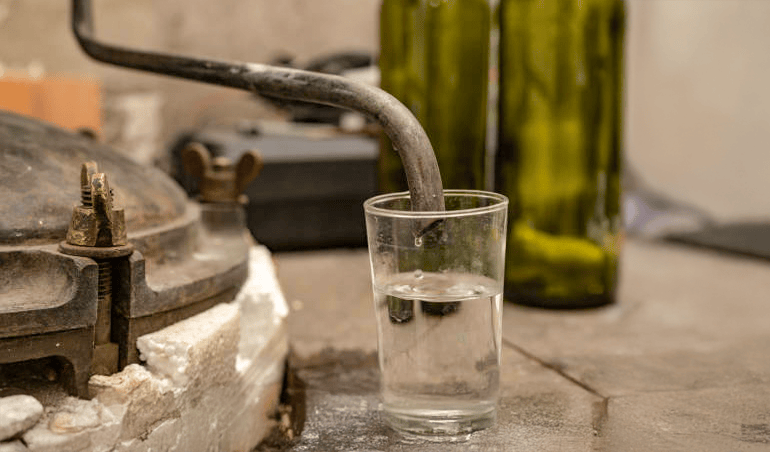
National Moonshine Day honors a spirit born from necessity, resistance and rural ingenuity. Moonshine refers to illegally distilled spirits, most often made from corn, sugar or other fermentable grains, and produced outside government regulation. While moonshine is strongly associated with the American South and Appalachia, its roots stretch back to Europe. Immigrants from Scotland and Ireland arrived in the American colonies during the eighteenth century with knowledge of small-scale distillation. For many, making whiskey was not a luxury but a practical solution for preserving surplus grain.
In the rugged backcountry of Pennsylvania, Virginia, Kentucky and North Carolina, farmers found that turning corn into alcohol was easier than hauling crops over poor roads. Whiskey became compact wealth, tradable and shelf-stable. Tensions emerged quickly between rural distillers and the federal government. In 1791, the newly formed United States imposed an excise tax on distilled spirits to help pay war debts. This tax disproportionately affected small farmers, sparking protests that culminated in the Whiskey Rebellion of 1794. Although the federal government ultimately asserted authority, distrust lingered.
As the nation expanded westward, distilling continued largely out of sight. The term moonshine gained traction in the nineteenth century, referring to liquor made by the light of the moon to avoid detection. Distillers hid stills deep in forests or hollows, using natural springs for water and smoke control techniques to avoid discovery. Revenue agents tasked with enforcing liquor laws often clashed with communities that viewed moonshining as a tradition rather than a crime.
Moonshine became deeply woven into Appalachian culture. Recipes were passed down through families, and skill as a distiller carried respect. Corn whiskey was central, though fruit brandies and sugar-based spirits were also common. The product was unaged and clear, earning the nickname white lightning for its potency and appearance.
The era that cemented moonshine’s place in popular imagination was Prohibition. From 1920 to 1933, the manufacture and sale of alcohol were banned nationwide. Demand did not disappear. Instead, it exploded underground. Moonshiners supplied speakeasies and private buyers, often working with bootleggers who transported liquor in modified cars. Many of the driving techniques later seen in stock car racing originated from these high-speed deliveries.
After Prohibition ended, legal distilling resumed, but moonshine did not vanish. High taxes, licensing costs and lingering cultural resistance kept illicit production alive for decades. National Moonshine Day recognizes this complex history, one shaped by economic hardship, local autonomy and a long-standing tension between regulation and independence.
Traditional moonshine production relies on simple equipment and fundamental chemistry. At its core, moonshine is distilled alcohol, created by fermenting sugars and separating alcohol through heat. While modern legal distilleries use stainless steel columns and precise controls, moonshiners historically relied on copper pot stills, often handmade or repurposed from available materials.
The process begins with mash, a mixture of water, grain or sugar and yeast. Corn is the most iconic base, but mash recipes vary by region and availability. Yeast converts sugars into alcohol during fermentation, producing a low-proof liquid known as beer or wash. This liquid is then heated in a still. Alcohol vaporizes at a lower temperature than water, allowing it to be collected separately and condensed back into liquid form.
Moonshine is typically distilled to high proof and bottled without aging. This lack of barrel aging distinguishes it from whiskey. The result is a clear spirit with a raw, intense flavor that reflects its ingredients and the skill of the distiller. Corn-based moonshine often carries a sweet grain aroma, while fruit-based versions may be floral or sharp.
One of the dangers historically associated with moonshine came from poor distillation practices. Improper separation of distillate fractions could lead to contamination with methanol or other harmful compounds. Additionally, makeshift equipment sometimes introduced toxins. These risks contributed to moonshine’s reputation for danger and unpredictability.
In the modern era, the term moonshine has taken on a new meaning. Legal distilleries now produce unaged corn whiskey labeled as moonshine, meeting safety and quality standards while preserving the traditional style. These spirits are regulated, tested and often bottled at lower proof for broader appeal. Flavored versions using fruit, honey or spices are common, reflecting contemporary tastes.
Despite commercialization, authentic moonshine remains defined by its simplicity. It is not about refinement or aging, but about capturing the essence of fermented grain in its most direct form. This immediacy is part of its appeal. Moonshine offers a glimpse into what early American spirits tasted like before barrels, branding and regulation reshaped the industry.
Understanding how moonshine is made clarifies why it occupies a unique place in American drinking culture. It represents both technical knowledge and cultural defiance, distilled into a clear, powerful liquid.
National Moonshine Day provides an opportunity to reflect on the spirit’s evolution from outlaw product to cultural symbol. Today, celebration does not mean breaking the law. Instead, it means engaging with moonshine’s history, craftsmanship and modern interpretations in a responsible way.
One way to observe the day is by tasting legal, professionally made moonshine from a craft distillery. Sampling different styles highlights how ingredients and technique influence flavor. A traditional corn-based version may contrast sharply with fruit-infused varieties made with peaches, apples or berries. Tasting slowly and thoughtfully allows appreciation of aroma, mouthfeel and finish.
Moonshine also plays a role in cocktails. Its bold character works well in simple mixed drinks where it remains the focal point. Classic combinations include moonshine with citrus, ginger or herbal elements. These drinks echo the improvisational spirit of early distillers while benefiting from modern balance.
Food pairings add depth to the experience. Corn whiskey complements smoked meats, sharp cheeses and rustic fare. Fruit-based moonshines pair naturally with desserts or baked goods. Exploring these combinations connects moonshine to the broader tradition of Southern and Appalachian cuisine.
For those less interested in tasting, National Moonshine Day can be a chance to learn. Visiting a distillery museum, reading oral histories or watching documentaries about Appalachian life provides context beyond stereotypes. Moonshine stories often intersect with broader themes of labor, geography and community resilience.
Responsible celebration also means acknowledging the hardships tied to moonshine’s past. Poverty, exploitation and legal consequences were real. Romanticizing the outlaw image without recognizing these realities flattens the story. Modern appreciation benefits from nuance and respect.
National Moonshine Day ultimately honors adaptation. Moonshine emerged when people used available resources to survive and trade. It persisted through prohibition, economic change and industrialization. Today it exists as both heritage and innovation, bridging past and present.
Whether raised in a glass or studied through history, moonshine tells a distinctly American story. It speaks of independence, craftsmanship and the enduring human impulse to create value from simple ingredients. National Moonshine Day invites us to slow down, look back and recognize how a clear spirit came to carry so much cultural weight.