National Bubble Tea Day
April 30, 2026

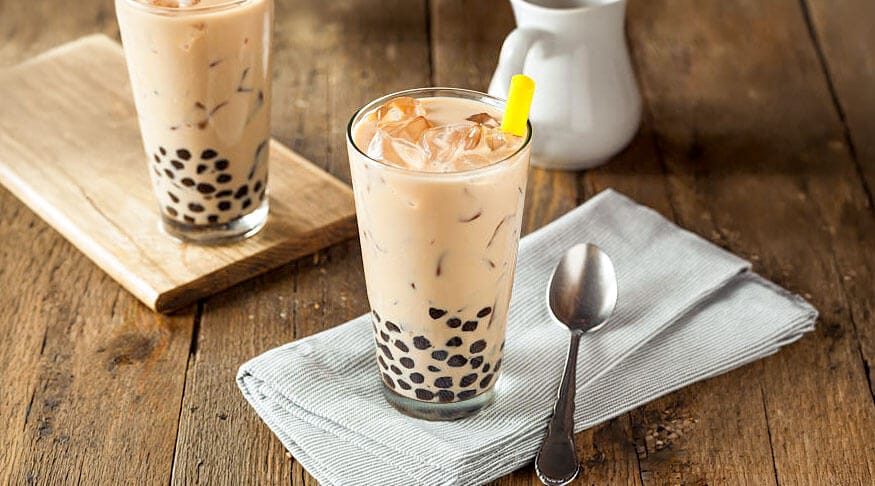
National Bubble Tea Day is observed annually on April 30th, celebrating the Taiwanese beverage phenomenon that combines tea, milk, sweeteners, and chewy tapioca pearls into drinks that have captured global imagination and spawned an international industry. This drink-focused holiday honors bubble tea, also known as boba or pearl milk tea, that transformed from local Taiwanese creation in the 1980s into worldwide beverage trend embraced by diverse demographics across continents. Unlike celebrations focused on traditional hot teas, National Bubble Tea Day recognizes a contemporary innovation that reimagined tea as customizable, playful drink experience complete with oversized straws for consuming the signature tapioca pearls. The observance is celebrated internationally wherever bubble tea culture has taken root, from its Taiwanese origins through explosive growth across Asia, North America, Europe, and beyond. This bubble tea celebration falls within the broader category of beverage observances but distinguishes itself through boba’s unique textural element, extensive customization options, and cultural significance as Asian cuisine export that achieved mainstream Western acceptance. Whether enjoyed as classic milk tea with black tapioca pearls, fruit tea with popping boba, or elaborate specialty creations with multiple toppings, National Bubble Tea Day invites tea enthusiasts and adventurous drinkers to appreciate a beverage that revolutionized tea consumption for younger generations worldwide.
Bubble tea originated in Taiwan during the 1980s, though the exact origin story remains disputed between competing claimants. The most widely cited account credits the Chun Shui Tang teahouse in Taichung, where in 1988, product development manager Lin Hsiu Hui experimented by adding tapioca pudding to her iced tea during a staff meeting. The combination proved popular, leading to menu addition that eventually evolved into the bubble tea phenomenon. An alternative origin story credits the Hanlin Tea Room in Tainan, where owner Tu Tsong-he claims to have first created bubble tea, using white tapioca balls inspired by traditional Taiwanese desserts.
Regardless of specific origin, bubble tea emerged from Taiwan’s established tea culture and street food traditions. Taiwan had long consumed both hot and cold tea, with tea shops serving an important social function. The innovation involved combining tea with milk, sugar, and crucially, the addition of tapioca pearls that created entirely new drinking experience. The tapioca pearls, made from cassava starch, provided chewy texture contrast to liquid that transformed tea drinking from passive consumption into interactive experience requiring larger straws to accommodate the pearls.
The name “bubble tea” itself carries some ambiguity. Some claim it refers to the bubbles created when tea is shaken with ice and other ingredients, while others suggest it describes the appearance of the tapioca pearls themselves. The alternative name “boba,” derived from Taiwanese slang, became particularly common in Western markets. The term originally referred to large tapioca pearls but expanded to encompass the entire beverage category, with “boba shops” becoming standard terminology for bubble tea establishments.
Early bubble tea formulations focused primarily on black tea bases combined with milk and sugar, creating sweet, creamy beverages reminiscent of tea-flavored milkshakes. The tapioca pearls required specific preparation, boiling them until achieving the characteristic chewy texture Taiwanese consumers described as “QQ,” a term conveying pleasant springy mouthfeel. Getting pearl texture right proved crucial to bubble tea’s appeal, with properly prepared pearls providing satisfying chew while poorly prepared ones became either too hard or mushy.
The timeline of bubble tea’s spread from Taiwan to worldwide phenomenon reflects changing global food cultures and Asian cuisine’s increasing mainstream acceptance. In the 1990s, bubble tea gained popularity throughout East and Southeast Asia, with shops opening in Hong Kong, Singapore, Malaysia, and other regions with significant Taiwanese cultural connections. The beverage’s appeal extended beyond Taiwanese immigrant communities to broader Asian populations who embraced the novel drink format.
The early 2000s brought bubble tea to North America, initially concentrated in cities with substantial Asian populations like Los Angeles, New York, and Vancouver. Taiwanese and Chinese immigrants opened bubble tea shops primarily serving ethnic communities, though the colorful drinks and unique texture gradually attracted non-Asian customers curious about the trendy beverage. California’s San Gabriel Valley, with its dense Taiwanese population, became early American bubble tea hub where numerous shops competed through flavor innovations and customization options.
The 2010s marked bubble tea’s breakthrough into mainstream American consciousness. Social media, particularly Instagram, amplified bubble tea’s appeal through photogenic drinks that encouraged sharing and posting. The customization options, from ice and sugar levels to milk alternatives and various toppings beyond tapioca pearls, aligned perfectly with contemporary consumer preferences for personalized food experiences. Chains like Kung Fu Tea, Gong Cha, and Tiger Sugar expanded aggressively, opening locations beyond Asian enclaves into suburban malls and college campuses.
The mid-2010s brought flavor innovations that expanded bubble tea beyond traditional milk tea formulas. Fruit teas gained popularity, using fresh fruit purees or juices with tea bases and various toppings including popping boba filled with fruit juice, aloe vera cubes, and jellies. Cheese foam, a salted cheese topping that floats on drinks, became trendy innovation originating from China. Brown sugar bubble tea, featuring caramelized sugar cooked with pearls and milk, created viral sensation through visually striking tiger stripe patterns. These innovations kept bubble tea culture dynamic rather than static.
Contemporary bubble tea encompasses enormous variety, from traditional formulations to elaborate specialty drinks featuring multiple toppings, alternative milk options accommodating dietary restrictions, and even alcoholic versions targeting adult consumers. The industry has matured into global market worth billions, with chains operating thousands of locations worldwide. National Bubble Tea Day emerged within this context of established popularity and ongoing innovation, celebrating through social media campaigns, shop promotions, and consumer enthusiasm for a beverage that had evolved from Taiwanese local invention to international phenomenon.
National Bubble Tea Day matters because it celebrates how Asian cuisines and beverages achieved mainstream Western acceptance, particularly among younger demographics historically less engaged with traditional tea culture. Bubble tea succeeded where tea companies struggled, making tea appealing to teenagers and young adults through sweetness, customization, and the social experience of visiting boba shops with friends. The holiday acknowledges this achievement in expanding tea consumption beyond traditional contexts and demographic groups.
The observance highlights the importance of texture in beverage experiences and how innovation sometimes requires rethinking fundamental assumptions about what drinks should be. Adding chewy pearls to tea violated conventional beverage design that prioritized smooth, uniform liquid texture. Bubble tea demonstrated that acceptable beverage experiences encompass greater variety than previously imagined, opening possibilities for other textural innovations. The holiday provides opportunity to discuss food science, sensory experiences, and the ways innovation challenges established categories.
From an entrepreneurial perspective, National Bubble Tea Day celebrates immigrant business success and Asian cultural export that reversed traditional patterns of Western culinary dominance. Taiwanese bubble tea shops grew from local establishments into international chains competing with established beverage giants. This success demonstrates how ethnic cuisines can move from marginal to mainstream through quality products, effective marketing, and timing that catches cultural moments. The holiday honors the entrepreneurs who built this industry.
The customization dimension adds contemporary relevance, as bubble tea shops pioneered beverage personalization that influenced broader food service trends. The extensive options for ice level, sweetness, milk type, and toppings created template for customized food experiences now common across dining categories. Understanding bubble tea’s role in this trend illuminates how specific innovations influence broader industry practices. The holiday celebrates consumer empowerment through choice and the business models that accommodate individual preferences.
National Bubble Tea Day also matters as celebration of how food brings people together across cultural boundaries and creates shared experiences that transcend ethnic origins. Bubble tea shops function as social spaces where diverse groups gather, study, and socialize, creating multicultural environments centered on Taiwanese beverage innovation. In celebrating bubble tea, we honor Taiwanese creativity, the global reach of Asian pop culture, and the recognition that sometimes the best innovations come from unexpected places and combine familiar elements in ways no one previously imagined possible, creating entirely new categories that reshape industries and drinking habits worldwide.
