National Poultry Day
March 19, 2026

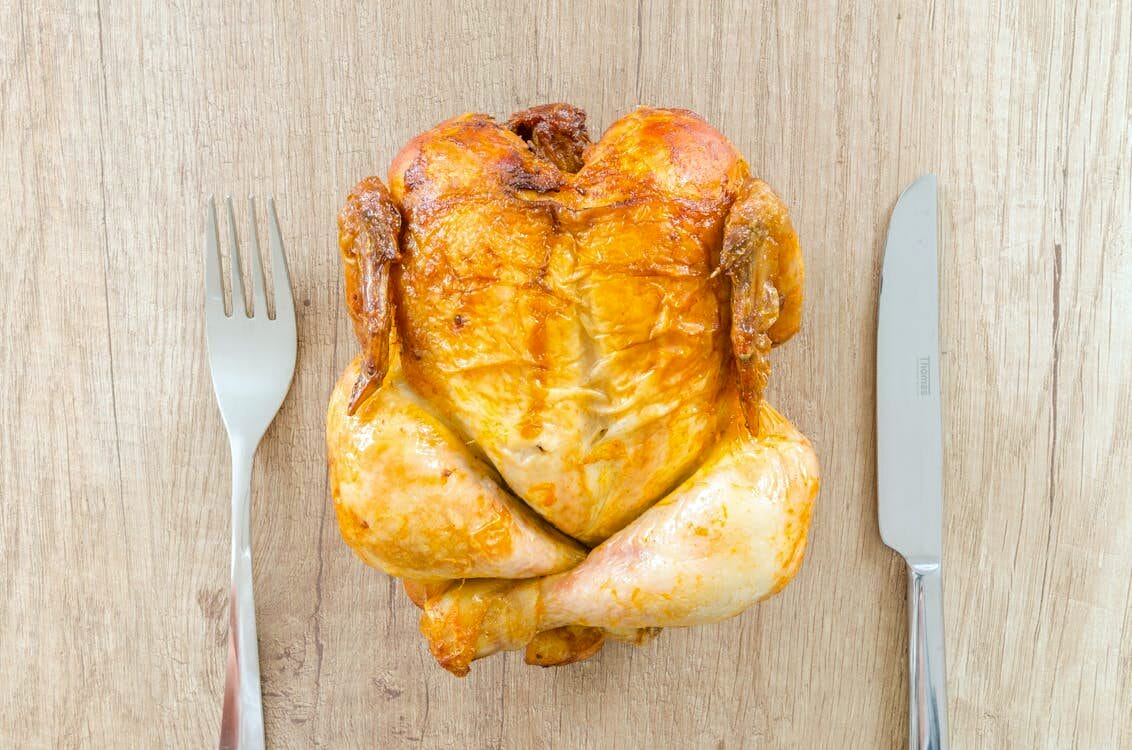
National Poultry Day is observed annually in March and recognizes one of the most widely consumed sources of animal protein in the world. National Poultry Day highlights the agricultural systems, culinary traditions, and economic networks that support the production and consumption of chicken, turkey, duck, and other domesticated birds raised for food. Poultry farming represents a central pillar of global food systems because birds convert feed efficiently into meat and eggs.
The term poultry refers broadly to domesticated birds raised for human consumption. Chickens represent the dominant poultry species globally, though turkeys, ducks, and geese also contribute to regional diets. Archaeological evidence suggests that chickens were first domesticated from wild junglefowl in Southeast Asia thousands of years ago. Over time, selective breeding produced birds suited for egg production, meat production, or both.
The ingredient microhistory central to National Poultry Day is the chicken itself. Chickens were gradually integrated into agricultural systems across Asia, Europe, and eventually the Americas through trade and migration. Their adaptability made them ideal for both small household flocks and large-scale farming operations.
Migration and global trade helped poultry spread rapidly across continents. European explorers and settlers transported chickens to the Americas, where they became a staple of rural farms. Poultry required relatively little space and reproduced quickly, making birds accessible protein sources for many communities.
Technological inflection points dramatically reshaped poultry production. Industrial hatcheries, temperature-controlled housing, and specialized feed formulas allowed farmers to raise birds efficiently at scale. Refrigeration and modern transportation expanded poultry markets beyond local regions.
National Poultry Day reflects how domesticated birds became foundational to global agriculture, feeding billions of people through adaptable farming systems.
National Poultry Day highlights the economic significance of poultry farming worldwide. Poultry production supplies affordable protein to urban and rural populations while supporting farmers, processors, and distributors. Because birds mature quickly, poultry farming offers faster production cycles than many other livestock industries.
Sensory anthropology explains poultry’s widespread culinary appeal. Chicken meat has a relatively mild flavor that absorbs marinades, herbs, and spices easily. This versatility allows poultry to adapt to countless regional cuisines.
Agriculturally, poultry farming integrates crop production and livestock systems. Grain crops such as corn and soybeans provide feed for birds, linking poultry production to broader agricultural supply chains.
Regional comparisons demonstrate poultry’s adaptability. Fried chicken traditions dominate parts of the American South, roasted poultry appears frequently in European cuisines, and stir-fried chicken dishes are central to many Asian culinary traditions.
A misconception worth correcting is that poultry farming has always been industrial. Historically, most poultry were raised in small flocks on family farms before large-scale production systems emerged in the twentieth century.
Economic resilience appears in poultry’s affordability and rapid production cycle, which allow farmers to respond quickly to market demand.
Ancient era: Junglefowl are domesticated in Southeast Asia and gradually spread across Asia and Europe.
Middle Ages: Chickens become common on small farms throughout Europe.
16th century: European settlers introduce poultry to the Americas.
Early 20th century: Industrial hatcheries and feed systems expand poultry production.
Mid 20th century: Refrigeration and transportation networks expand global poultry markets.
Late 20th century: Specialized breeding improves meat yield and growth rates.
21st century: Sustainable farming practices and animal welfare concerns influence poultry production methods.
National Poultry Day matters because poultry remains one of the most accessible and widely consumed proteins in modern diets. Its affordability and adaptability support food security in many regions.
Modern poultry supply chains rely on coordinated systems of farming, processing, and transportation that ensure consistent availability in grocery stores and restaurants.
Sensory anthropology reinforces poultry’s culinary flexibility, allowing it to appear in grilled, roasted, fried, and braised dishes across cultures.
Misconceptions about poultry production can be addressed through greater understanding of farming practices, feed systems, and sustainability challenges.
Economic resilience continues because poultry farming responds rapidly to consumer demand compared with slower-growing livestock industries.
National Poultry Day matters because it highlights the relationship between agriculture, food systems, and everyday meals enjoyed around the world.
