National Cold Cuts Day
March 3, 2026

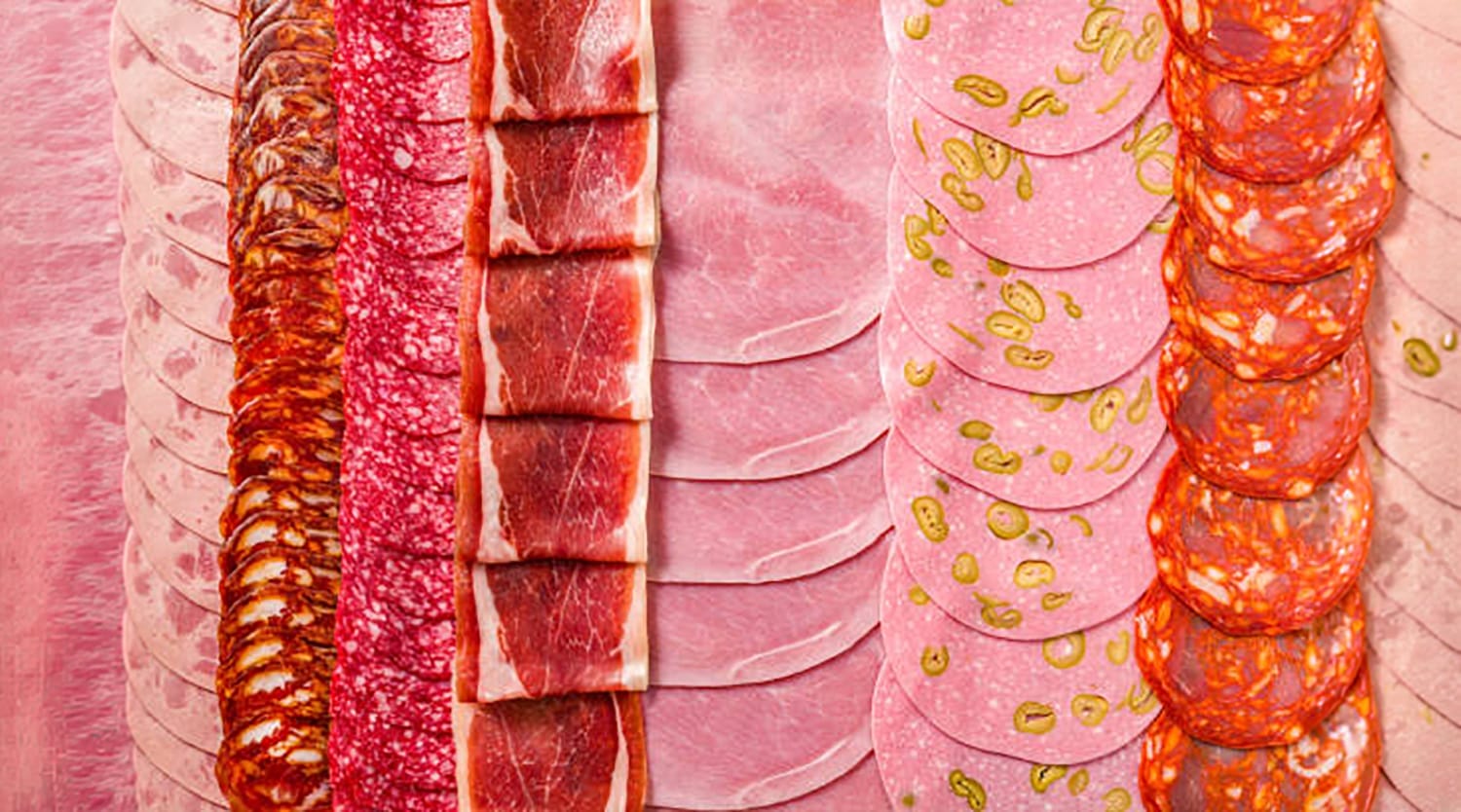
National Cold Cuts Day is observed in March and celebrates sliced, ready-to-serve meats that became a defining feature of modern deli culture. National Cold Cuts Day highlights a category built from preservation science, industrial meat processing, and the social habit of assembling quick meals without turning on a stove. Cold cuts may seem ordinary, but they represent centuries of experimentation with salt, smoke, fermentation, and later refrigeration.
The roots of cold cuts sit in older curing traditions developed to make meat last. Long before modern refrigerators, people used salt, drying, and smoke to slow spoilage and protect protein through winter or travel. These methods were practical technologies, but they also became flavor traditions that communities repeated until they felt like identity.
The ingredient microhistory that defines cold cuts is curing salt and controlled microbial activity. Cured meats depend on managing water content, salt concentration, and time. In some traditions, fermentation creates tang and complexity, while in others, smoking and spice dominate. This is not simply seasoning. It is preservation chemistry that became cuisine.
Migration and trade shaped the deli landscape. European immigrants carried sausage-making and curing methods into American cities, where local butchers adapted them to new regulations, new markets, and different meat supply. Italian salumi traditions, German and Central European smoked meats, and Jewish deli standards all contributed to the broader cold cuts category that later supermarkets would standardize.
Technological inflection points turned cold cuts into everyday retail staples. Refrigeration made sliced meats safer to store and sell. Mechanized slicing improved uniformity and portion control. Packaging, including vacuum sealing and modified atmosphere methods, extended shelf life and enabled national distribution. The category became scalable because the cold chain became reliable.
National Cold Cuts Day reflects the evolution of preserved meat from necessity to convenience. It recognizes how food safety systems, immigrant knowledge, and industrial distribution turned deli slices into a modern meal infrastructure.
National Cold Cuts Day highlights cold cuts as a cultural solution to time pressure. The sandwich, the lunch plate, and the snack board all rely on cold cuts because they deliver salt, fat, and protein quickly. The sensory appeal is immediate: cured meat concentrates aroma, provides chew, and releases fat-soluble flavor when warmed slightly by the mouth. That sensory efficiency helps explain why the category persists.
Agriculturally, cold cuts connect to livestock systems and commodity markets. Pork and beef supply chains influence pricing, availability, and the mix of products that processors emphasize. Because cured meats add value through processing, they can stabilize returns on certain cuts by turning them into premium sliced items rather than relying solely on fresh meat demand.
Economic resilience shows up in how cold cuts reduce cooking friction. When households face limited time or fuel costs, ready-to-eat meats support fast meals. In food service, sliced meats enable predictable portioning and rapid assembly, which matters under labor constraints. The category functions as an operational tool as much as a flavor preference.
Regional comparisons clarify why cold cuts feel both universal and distinct. Italian-style cured meats often emphasize fermentation and drying. German-style deli meats often emphasize smoke and spice blends. American deli standards emphasize slicing, stacking, and serving with breads and condiments that reflect local tastes. These traditions overlap, but they do not taste the same because the preservation logic differs.
A misconception worth correcting is that cold cuts are all the same. Products differ by cut, curing method, moisture content, and whether they are cooked, smoked, dried, or fermented. Another misconception is that cold cuts are purely modern processed food. Many styles are direct descendants of older preservation technologies, even when produced in modern facilities.
National Cold Cuts Day also raises practical awareness of how refrigeration changed eating culture. Once meat could be safely stored cold, the idea of a cold lunch became normal rather than risky. Cold cuts helped make the modern lunch routine possible, especially in urban settings where work schedules limited cooking time.
Ancient and medieval periods: Salt, drying, and smoke are used widely to preserve meat through seasonal scarcity.
Early modern era: Regional curing traditions mature, with distinct spice, smoke, and fermentation practices becoming local signatures.
19th century: Urbanization increases demand for prepared foods and specialty butcher shops supplying cured meats.
Early 20th century: Refrigeration expands safety and enables wider retail distribution of sliced and cooked meats.
Mid 20th century: Mechanized slicers, standardized recipes, and supermarket growth turn deli meats into mass-market staples.
Late 20th century: Advanced packaging extends shelf life and supports national brand expansion.
21st century: Consumer interest in ingredient transparency and heritage curing renews attention to traditional methods and regional styles.
National Cold Cuts Day matters today because it highlights how preserved meats operate as a modern convenience layer built on older food science. Cold cuts remain central to everyday lunches, charcuterie-style gatherings, and quick protein additions, reflecting the ongoing demand for speed without sacrificing flavor.
Sensory anthropology helps explain category loyalty. Curing concentrates flavor, and thin slicing changes how fat melts and how salt hits the tongue. The experience is engineered through method as much as ingredient, which is why deli meats can feel intensely satisfying even in small portions.
Modern supply chains keep cold cuts relevant, but they also expose vulnerabilities. Livestock price swings, transport disruptions, and refrigeration costs influence retail offerings. The category’s dependence on cold chain stability makes it a useful lens for understanding how infrastructure shapes what people consider normal food.
Misconceptions about cold cuts often collapse the category into a single health narrative. National Cold Cuts Day can instead focus on distinctions: traditional dry-cured products, cooked deli slices, and smoked meats all exist for different reasons and carry different histories. Understanding the methods is part of respecting the food.
Economic resilience remains practical. Cold cuts allow households and kitchens to assemble meals quickly during busy weeks, and they reduce waste by enabling controlled portions. That efficiency helps explain why the category persists despite changing food trends.
National Cold Cuts Day matters because it honors a food category shaped by preservation necessity, immigrant craftsmanship, and industrial distribution, showing how old techniques became modern routine.
